
Amethyst Necklace: Types, Styles & How to Choose the Right One
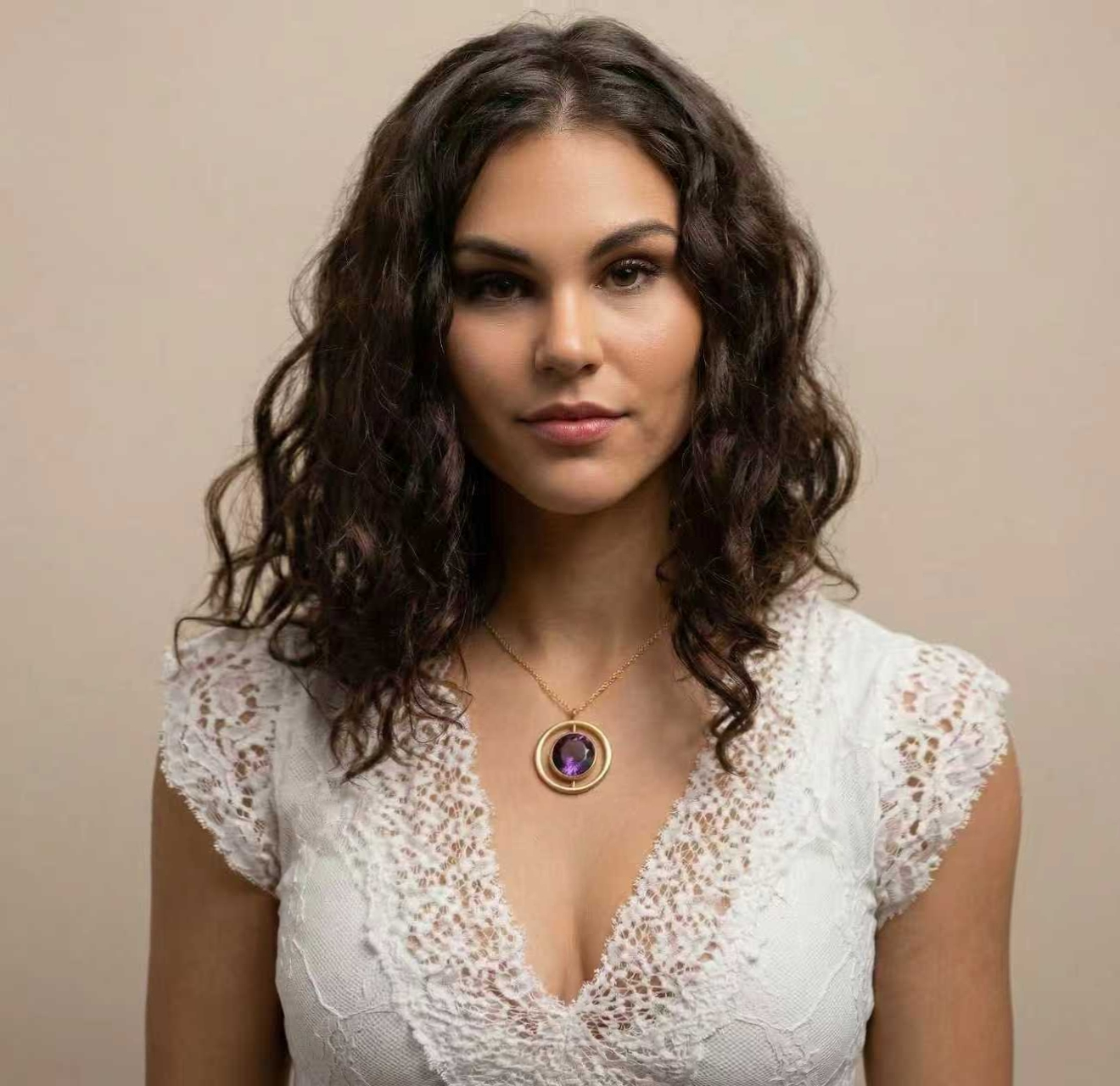
When people shop for an amethyst crystal necklace, they usually focus all their attention on the purple stone. They zoom in on the color, check the cut, and add it to their cart. It isn’t until the piece arrives and they put it on that they realize something is off—the stone doesn’t sit right against their collarbone, or the metal tone clashes with the rest of their jewelry.
After completing GIA gemology coursework and seeing how different settings and chains perform in real life, I’ve learned that a good necklace requires more than just a beautiful piece of quartz. It requires an understanding of proportion, setting durability, and chain mechanics.
This guide will walk you through exactly how to choose an amethyst necklace that fits your body and your daily routine.
The Decision Most Buyers Skip — And Regret
The most common mistake buyers make is ignoring the chain length. The length of the chain entirely dictates where the amethyst will sit on your chest, which in turn determines what kind of necklines it will work with.
Buyers frequently ask us which chain length to choose — our most common recommendation for first-time buyers or for gifting is 18 inches. It is the universal standard that allows the pendant to fall beautifully just below the collarbone on most women.
If you want to be specific, here is a practical breakdown:
- 16 inches (Choker length): Sits tightly at the base of the neck. Best for small, delicate pendants and open necklines.
- 18 inches (Princess length): The standard. Falls just over the collarbone. Works with almost everything from crew necks to V-necks.
- 20 to 24 inches (Matinee length): Falls between the collarbone and the bust. Ideal for larger, heavier stones or for layering over higher necklines like turtlenecks.
Types of Amethyst Necklaces — What’s Actually Different
Amethyst necklaces come in a variety of styles, and the terminology can be confusing. Here is what the different forms actually mean for the look and feel of the piece.
- The Classic Pendant: A single, faceted amethyst set securely in metal. This is the most versatile option. Look closely at how the stone is held. A prong setting (tiny metal claws holding the stone) lets more light into the crystal, maximizing the purple hue. A bezel setting (a solid ring of metal surrounding the stone) offers maximum protection if you are hard on your jewelry.
- The Raw Point Pendant: A single, unpolished crystal point, typically wire-wrapped or capped with metal at the top. This provides an earthy, grounded aesthetic. Because the natural facets broadcast light differently than machine-cut stones, the color depth will shift depending on the angle.
- The Cluster: Several smaller stones set together to create a larger visual impact.
- The Layering Chain: A very fine chain with tiny, flush-set amethyst accents spaced evenly throughout. Designed to be worn alongside heavier chains or pendants.
Silver or Gold? Choosing the Right Metal
A silver amethyst necklace is generally the most reliable choice for daily wear. We use 925 sterling silver because it provides a cool, bright contrast that makes the violet and purple hues of the amethyst pop without visual competition. It is also naturally hypoallergenic and highly durable.
Gold plating is widely available, but you need to understand the tradeoff. The warm tone of gold looks excellent against darker, “emperor purple” amethyst, and it often flatters warmer skin tones beautifully. However, gold plating will eventually wear off, exposing the base metal underneath. If you want a gold setting that lasts a lifetime, you need to invest in solid gold, which significantly changes the budget.
Regardless of the metal you choose, understanding the geological properties of the stone itself—why it forms in those specific shades of purple—can deepen your appreciation for the piece. You can read more about this in our overview of amethyst meaning.
Amethyst Necklace for Everyday Wear vs Special Occasions
If you are buying a piece to wear every single day, prioritize durability. You want a medium-thickness chain (a cable or box chain) that won’t snap if it catches on a sweater, a secure clasp (like a lobster claw), and a bezel-set or low-profile prong-set stone that won’t snag.
If you are buying a statement piece for special occasions, you can prioritize aesthetics over ruggedness. You can opt for larger stones, intricate filigree settings, or delicate snake chains.
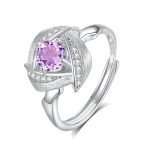
A note on care: Daily wear doesn’t mean careless wear. Take your necklace off before swimming in a chlorinated pool or spraying perfume directly onto your chest, as these chemicals can degrade both the silver and the surface luster of the stone over time. For more detailed instructions on keeping your pieces clean, review our guide on how to care for amethyst jewelry. (And if you are looking to coordinate your pieces, our amethyst ring guide covers similar rules for hand wear).
Amethyst Pendant Necklace as a Gift
Amethyst is the universally recognized February birthstone. Giving an amethyst crystal necklace for a February birthday is a classic gesture, but it requires getting the logistics right.
If you do not know her chain preference, default to an 18-inch chain. It is the safest, most universally wearable length. Also, look for sellers who provide a complete presentation. Handing someone a plastic baggie with a necklace inside diminishes the moment. A proper jewelry box and a card explaining the stone’s origin and history make the physical object feel intentional. You can learn more about the history of gifting this specific stone in our february birthstone guide.
Questions We Hear Before Every Necklace Purchase
Does an amethyst necklace tarnish? The amethyst stone itself does not tarnish. However, the 925 sterling silver chain and setting will naturally oxidize over time when exposed to air and moisture. This is normal and can be quickly wiped away with a standard silver polishing cloth.
How long is a standard amethyst pendant necklace? The industry standard for a woman’s pendant necklace is 18 inches, which generally allows the pendant to rest just below the collarbone.
Can I shower with my amethyst necklace? We do not recommend it. While plain water will not immediately destroy the amethyst (it has a Mohs hardness of 7), the soaps, shampoos, and hard water minerals will leave a dull film on the stone and accelerate the tarnishing of the silver setting.
Choosing the right necklace is about balancing the beauty of the natural stone with the practical realities of how it will be worn. You can shop amethyst necklaces in our collection, where every piece is crafted with documented-origin amethyst and solid 925 sterling silver.
Products by Category
-
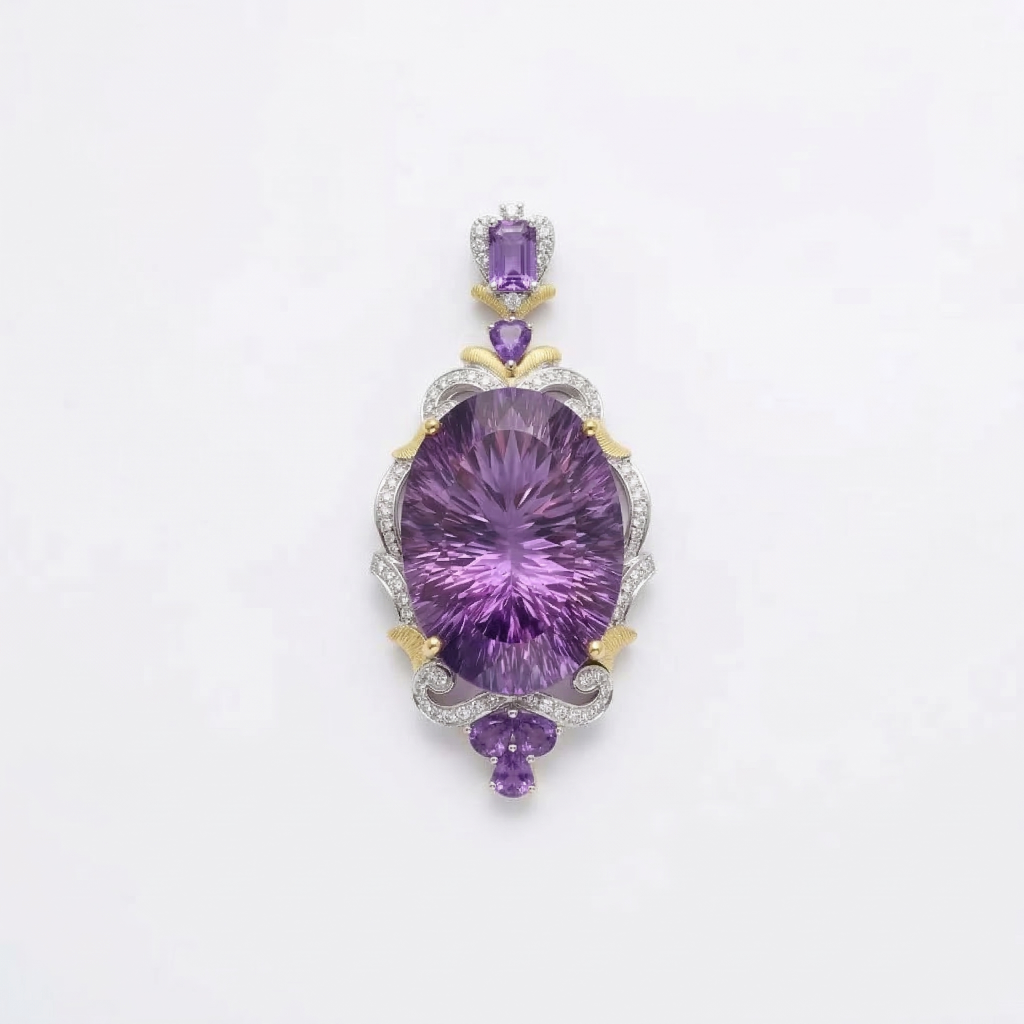
31.5ct Stellar Radiance – 30 Carat Amethyst Pendant & Fantasy-Cut Masterpiece
$399.99 -
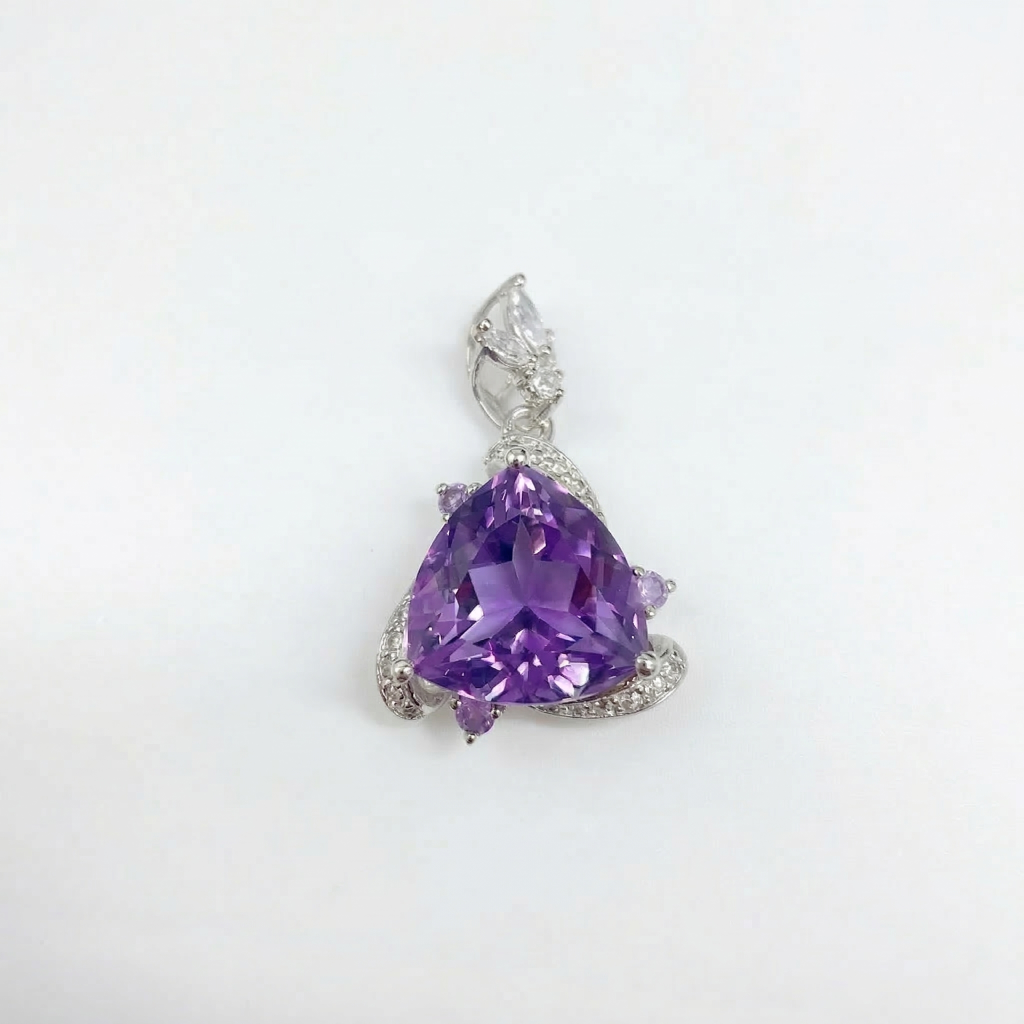
Celestial Triangle 5.5ct Trillion-Cut Amethyst Pendant in 925 Silver
$129.99 -
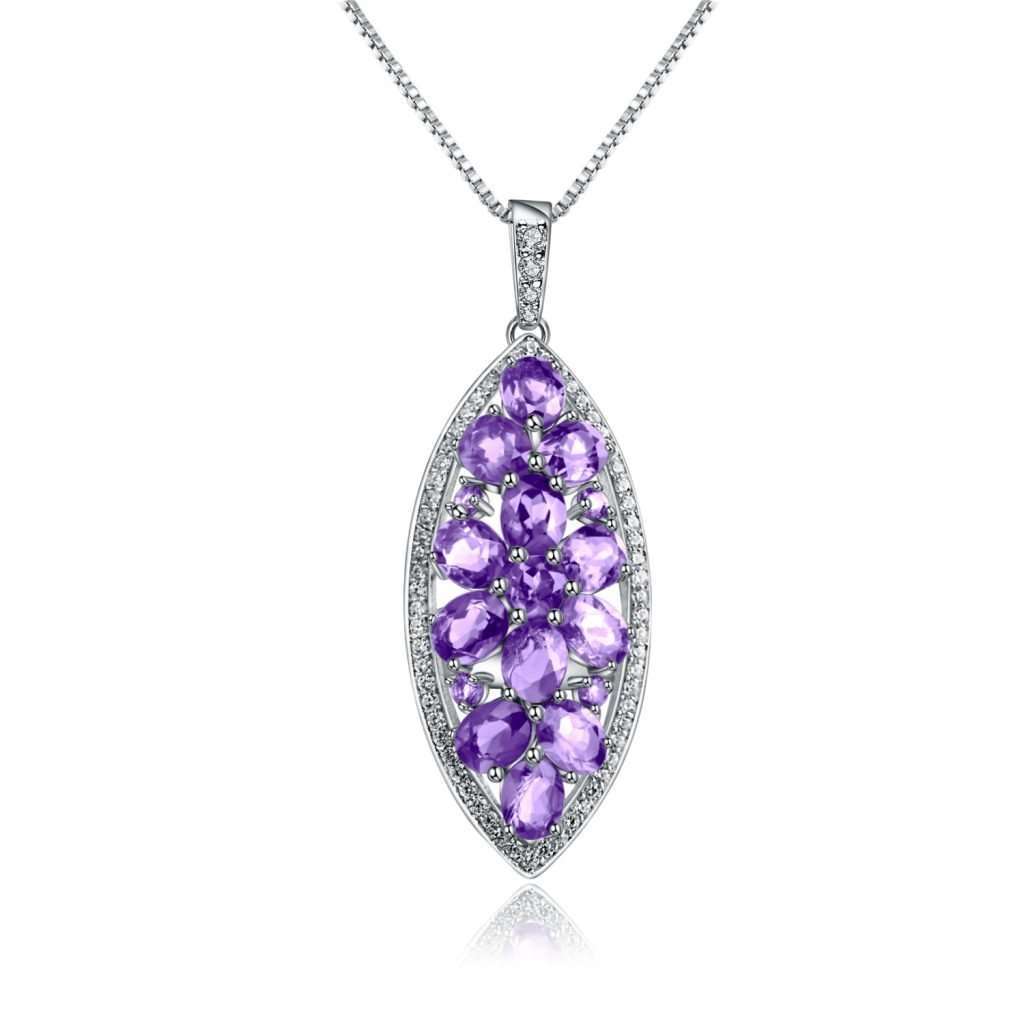
Imperial Amethyst Leaf Cluster Necklace in 925 Sterling Silver
$219.99 -
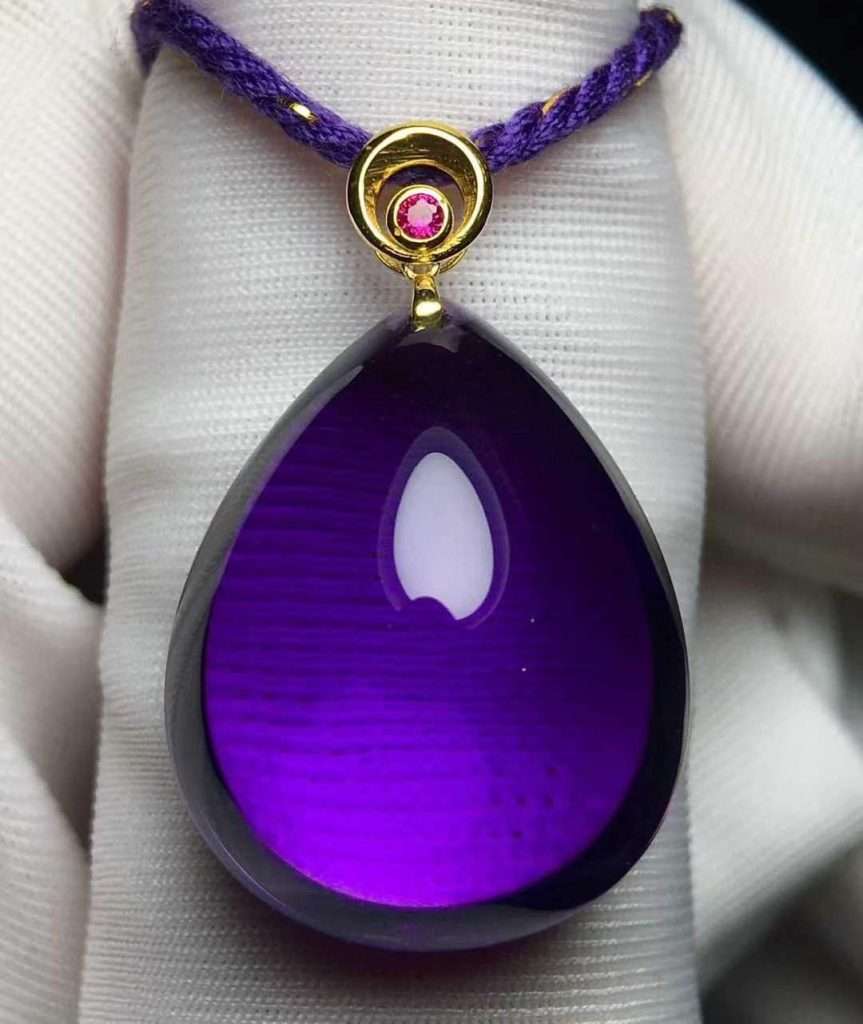
Natural Top-Grade Old Mine Uruguayan Amethyst Teardrop Pendant (18K Gold Bail)
$387.09 -
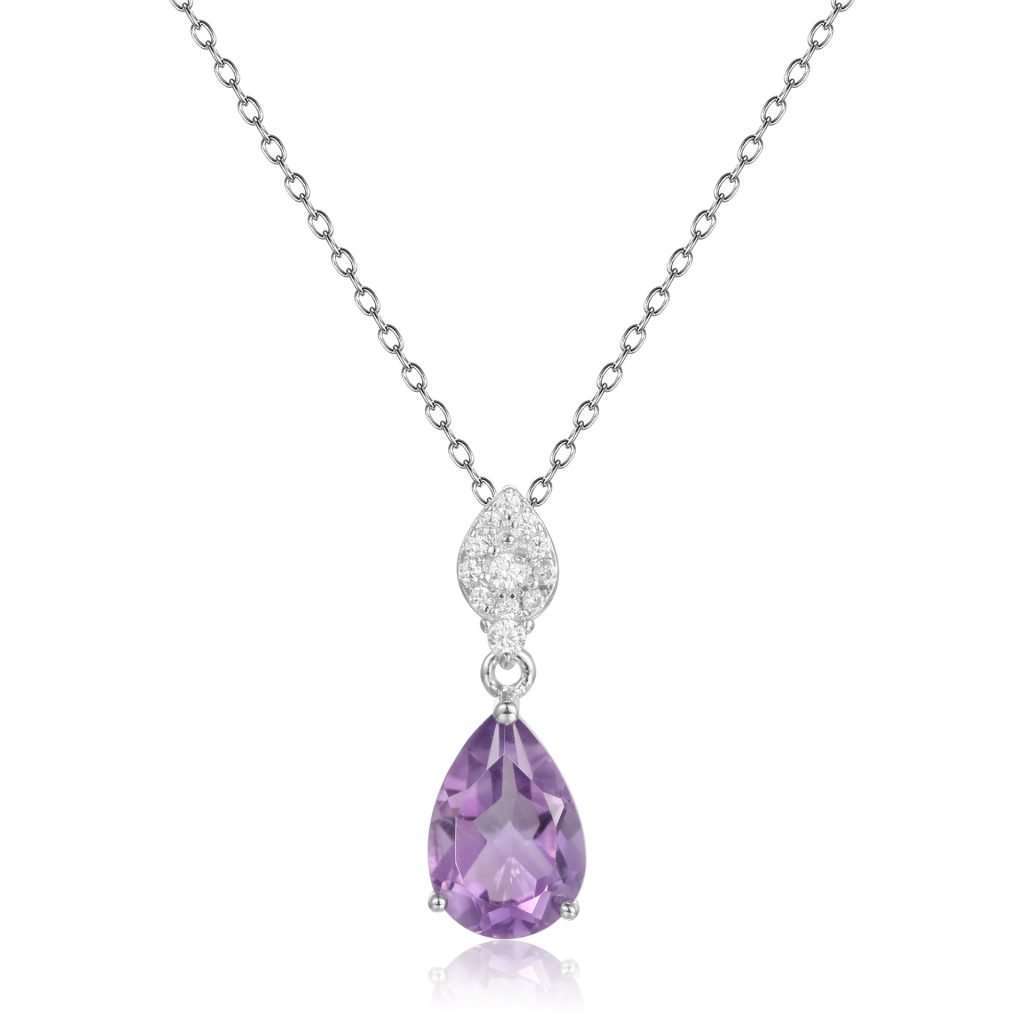
Parisian Muse Natural Pear-Cut Amethyst Necklace in 925 Silver
$149.99 -

Radiant Drop Amethyst Halo Necklace in 925 Sterling Silver
$59.99 -

Royal Empress Vintage Oval Amethyst Necklace in 925 Silver
$79.99 -
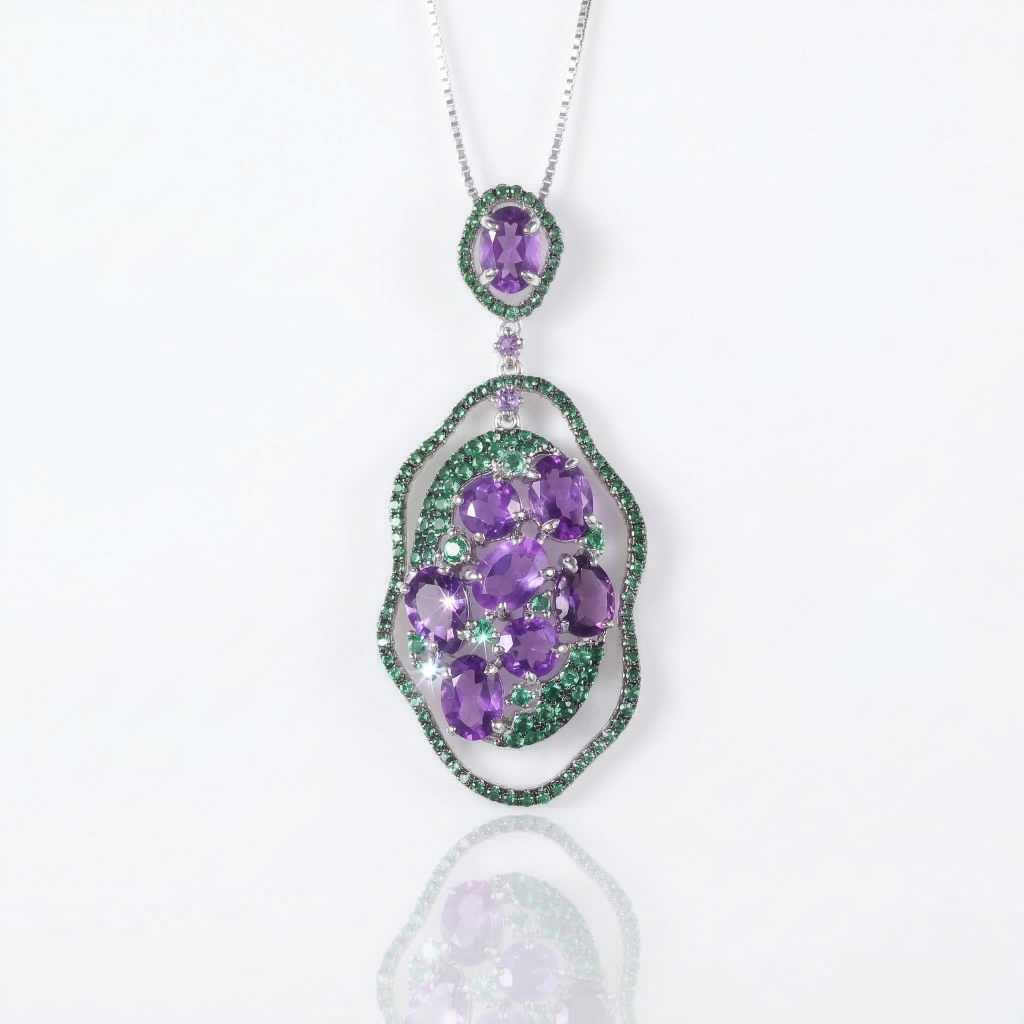
Royal Vineyard Amethyst and Chrome Diopside Necklace – Haute Couture Pendant
$329.00 -
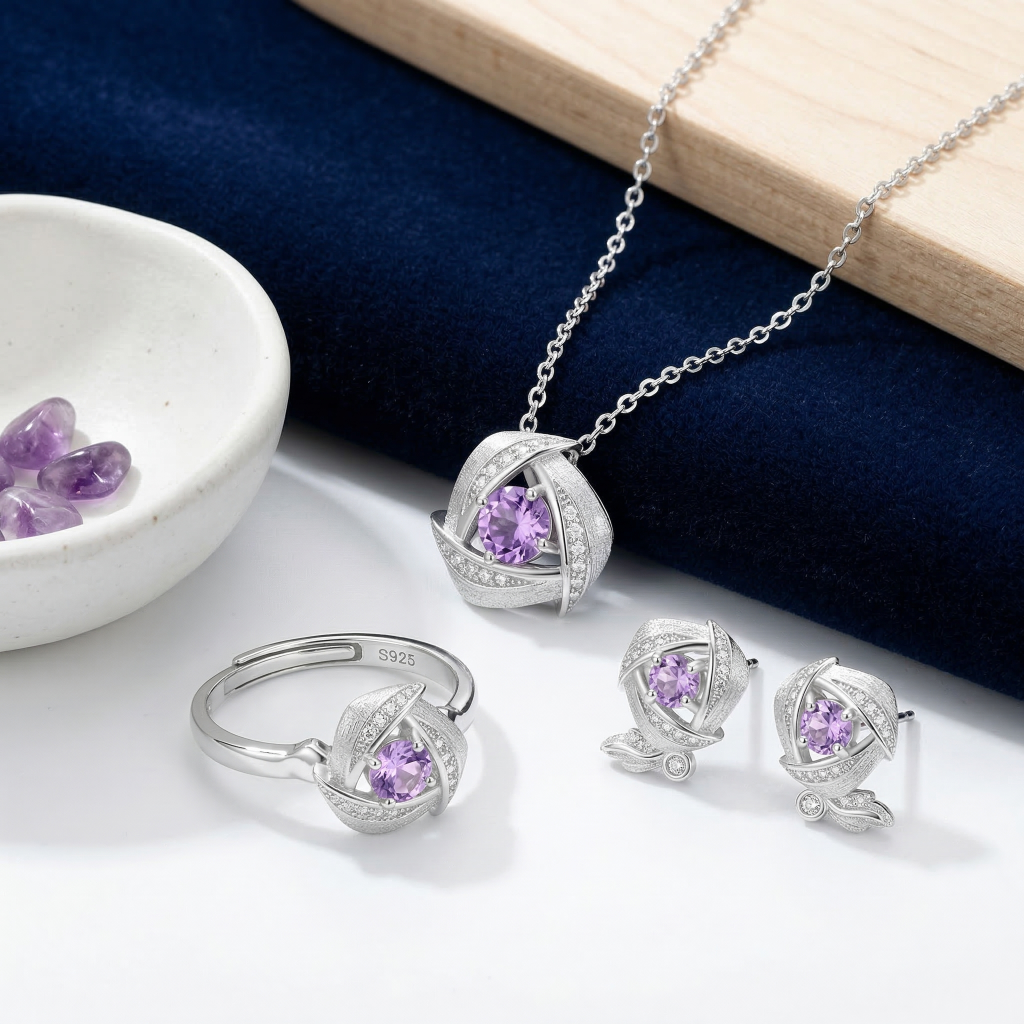
Satin Bloom Amethyst Rose Necklace – Brushed 925 Sterling Silver
Price range: $45.99 through $129.00
When comparing styles, also browse natural amethyst necklaces to see current pendant and silver options.



 Crystal Cluster
 Crystal Tower
 amethyst crystal ball
 Amethyst Caves for Sale
 Amethyst Bracelets
 Amethyst Earrings
 Amethyst Necklaces
 Amethyst Rings
 amethyst crystal healing
 Amethyst Beauty & Wellness
 Crystal Home Decor
 Spiritual & Divination Tools