Amethyst Meaning and Healing Properties: A Practical Guide to Tradition, Not Medicine
When people search for amethyst meaning and healing properties, they usually want one of two things: a clear explanation of what this purple stone actually represents, or a straight answer about whether it can do something for them. This guide covers both—through the lens of cultural tradition, personal ritual, and verified mineral facts, not medical promises.
Amethyst is a variety of quartz (SiO₂) colored by trace amounts of iron (Fe³⁺) activated through natural radiation over millions of years. It sits at 7 on the Mohs hardness scale. Those are facts. Everything else—calm, clarity, protection, spiritual connection—lives in the territory of tradition and personal experience. Both can be meaningful. Neither should be confused with a prescription.
For a deeper dive into the specific traditions and uses people associate with this stone, see our full amethyst healing properties guide.
What Does “Amethyst Meaning and Healing Properties” Actually Mean?
The phrase bundles two different ideas, and it helps to pull them apart.
Meaning refers to what the stone symbolizes. In Western tradition, amethyst has been associated with sobriety, clear thinking, and calm since at least ancient Greece—the word comes from amethystos, meaning “not intoxicated.” In Chinese Feng Shui, it represents abundance and is commonly placed in the wealth corner of a room. For modern buyers, meaning often comes down to something more personal: the color reminds them of a quiet evening, or someone gave it to them during a hard time, or they simply like having a piece of the natural world on their nightstand.
Healing properties is where expectations need careful framing. In crystal practice traditions, amethyst is associated with calm, emotional balance, and mental clarity. Some traditions link it to the third eye and crown chakras. These are frameworks people use to organize their relationship with the stone—they are not clinical outcomes, and no responsible crystal seller should tell you otherwise.
Here is a concrete example of how personal meaning can be real without being medical. A few years before I started studying mineralogy, I bought a small amethyst for twelve dollars from a secondhand shop. It was not a particularly beautiful specimen—pale color, grayish base, the kind of stone that looks like it was forgotten in a wooden box for a long time. The handwritten tag said amethyst — for calm nights. I did not believe the stone had any mysterious power. I still do not, not in the way the label implied. But I brought it home, set it on my nightstand, and that night was the first time in months I slept without waking at three in the morning.
That does not prove anything about amethyst stone healing properties. What it did was make me curious enough to investigate whether the stone was real, and that curiosity eventually led me through Fe³⁺ color mechanics, UV fading research, mineral shows, and GIA coursework. The stone gave me a starting point. Meaning came from the investigation, not from the stone broadcasting anything at me.
Different Amethyst, Different Traditions? How Form Shapes Perception
One thing that gets lost in most articles about crystal healing properties and amethyst is that the form you choose changes how you interact with the stone—and therefore which traditions and uses make sense for you.
| Form | Common Traditional Association | Practical Use Case |
|---|---|---|
| Geode / Cave | Home sanctuary, abundance, Feng Shui wealth corner | A statement piece for a living room or entryway; visual presence and color depth |
| Crystal Tower / Point | Focus, intention setting, directed energy in tradition | A desk object or altar piece; something to look at when you want to center yourself |
| Cluster | Gathering, shared space, community | A table centerpiece or shelf display; multiple crystal points growing from one base |
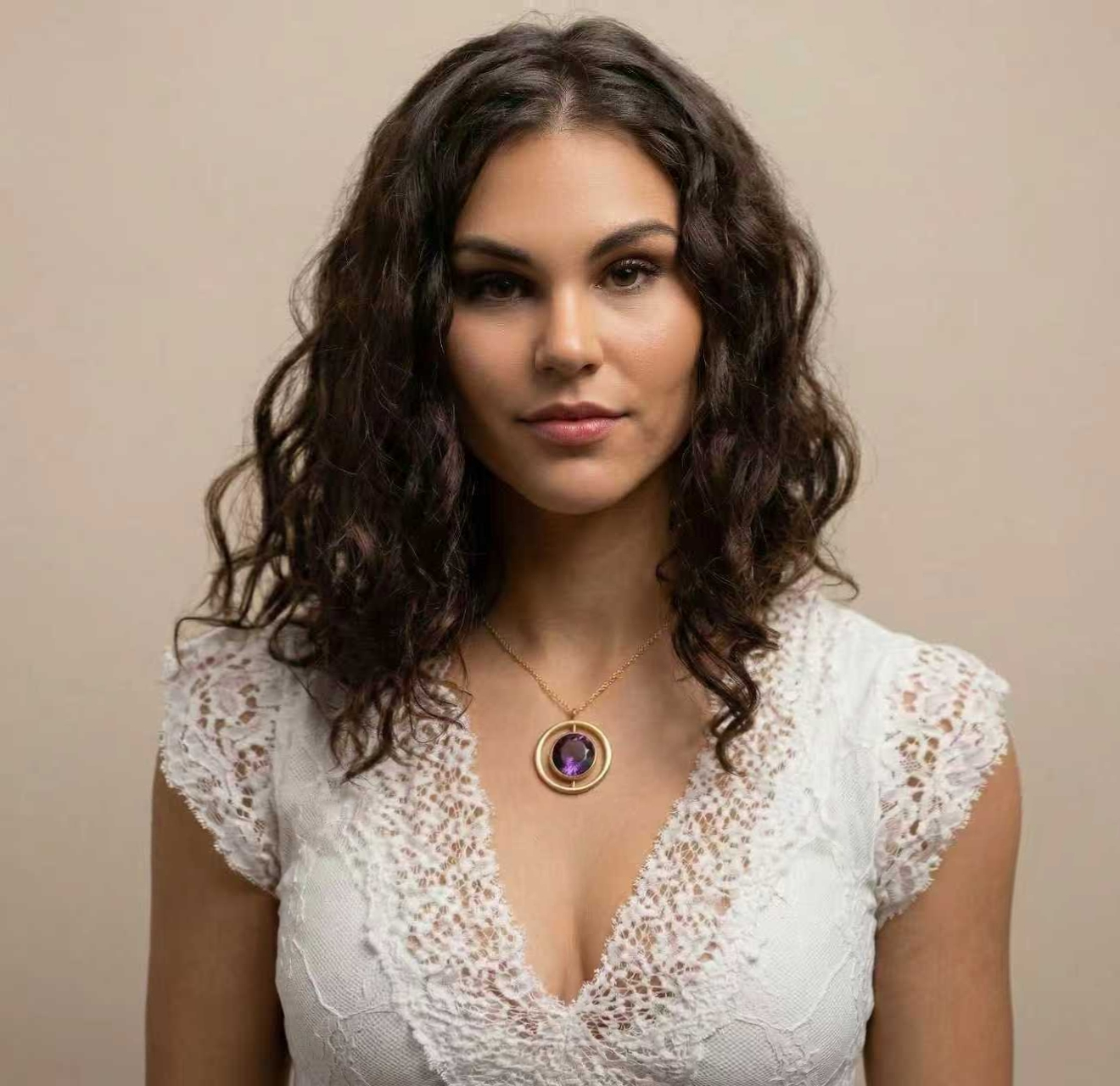
| Jewelry (ring, pendant, bracelet) | Personal carry, February birthstone, Aquarius guardian stone | Wearable calm; something you keep on your body throughout the day |
| Tumbled Stone / Palm Stone | Pocket companion, grounding touchpoint | A small piece to hold during a pause or keep in a bag; low cost, low commitment |
The healing amethyst properties people search for are often tied to the form they already have in mind. Someone looking for a geode wants a sense of presence in their home. Someone searching for a ring wants something portable and personal. The traditions follow the form, not the other way around.
Color depth also plays a role. Brazilian amethyst tends to come in larger pieces with a wider range of purple—from pale lavender to medium violet—making it accessible for decorative displays. Uruguayan amethyst runs smaller but denser, with a deep purple that can approach what the trade calls “emperor purple.” When I first started learning this distinction at a mineral show, the dealer spent twenty minutes explaining the difference in crystal density and color saturation between the two origins. I did not buy that cathedral geode—I could not afford it yet—but I wrote down every word he said. For a detailed breakdown of how these origins affect appearance and value, see our amethyst forms and shapes guide and our page on amethyst meaning and uses.
The Color and the Science: A More Grounded “Property”
If you want a verifiable amethyst property, start with the color itself.
The purple in amethyst comes from Fe³⁺—triple-charged iron ions—locked inside the quartz crystal lattice and activated by natural background radiation over geological time. This is not something added to the stone. It is something that happened to the stone, over millions of years, in the ground. The color is grown in, not painted on.
I remember reading about this mechanism for the first time during GIA coursework, late at night, and feeling something close to comfort. Not because it was mystical—because it was specific. There was a real chemical reason this stone was purple, not because it “wanted” to be, but because iron and radiation and time had done what iron and radiation and time do. I like things that can be explained.
That same chemistry is why amethyst properties—related to care and longevity, at least—need to be taken seriously. Fe³⁺ is vulnerable to ultraviolet light. Prolonged direct sunlight can cause the iron ions to reduce, and the purple fades. This is not reversible.
I learned this the hard way by proxy. A buyer messaged to say her crystal point had lost color. It had been sitting on a south-facing windowsill, absorbing direct afternoon sun for about two hours a day. The deep purple had shifted to lavender. The stone was still real, still amethyst, still quartz with Fe³⁺—but that particular depth of color was gone permanently. I added UV care instructions to every product description after that. Keep amethyst away from prolonged direct sunlight. A windowsill is not a safe resting place.
For full care and cleansing guidance—including moonlight, sound cleansing, and safe handling—see our amethyst care and cleansing guide.
This chemistry is also, arguably, the foundation for the stone’s color symbolism. Tradition links deep purple to calm, to clarity, to a kind of settled awareness. Whether or not you connect those associations to Fe³⁺ is your call. But knowing that the color is real, measurable, and fragile makes the stone feel more specific than a vague promise of “good vibes.”
Dream Amethyst, Pink Amethyst, and Common Questions
A lot of searches for what are the healing properties of amethyst come from people looking at a specific variety. Two of the most common:
Dream Amethyst
“Dream amethyst” usually refers to chevron amethyst—a banded variety with alternating layers of amethyst and white quartz that form V-shaped or zigzag patterns. In crystal traditions, it is associated with introspection, inner vision, and restful states. Some people keep a piece on their nightstand as part of a wind-down routine. It shares the same mineral properties as standard amethyst: Mohs 7, Fe³⁺ coloration, UV sensitivity. The bands are a structural feature, not a different mineral.
Pink Amethyst
Pink amethyst is a relatively recent market presence, primarily sourced from Patagonia, Argentina. Its color comes from hematite inclusions within the quartz structure, which give it a blush-to-rose tone rather than the deep violet of traditional amethyst. In traditional associations, pink amethyst is linked to gentle emotional energy, tenderness, and self-compassion. It is still quartz, still Mohs 7, and still requires the same UV care as its purple counterpart.
Whether you are drawn to dream amethyst healing properties or pink amethyst healing properties, the core reality is the same: these are variations of the same mineral species with different trace elements and inclusions producing different colors. The traditions attached to each variety are shaped by culture, aesthetics, and personal resonance—not by any measurable difference in their chemical ability to influence your wellbeing.
For a deeper look at quality markers and what to look for across varieties, our amethyst quality and value guide covers color depth, clarity, and origin indicators.
Choosing for Personal Meaning, Not Guaranteed Magic
So what healing properties does amethyst have? Here is the honest summary: amethyst has cultural traditions, personal rituals, and a lot of people who find real meaning in keeping it close. It also has a specific, documented chemistry that makes its color real but vulnerable. It does not have clinically proven healing power, and anyone who tells you otherwise is selling you something beyond the stone.
That does not make it worthless. It makes it a choice you can make with clear eyes.
Here is how I would suggest choosing, based on use case rather than mystical promise:
- For a room presence: A geode or cluster gives you color, texture, and a piece of geological history you can look at every day. Place it somewhere it will not get direct sun.
- For a desk or altar focus point: A tower or point gives you a specific object to orient toward during a pause, a breath, or a moment of intention.
- For something you carry: Amethyst jewelry—100% natural amethyst set in 925 sterling silver—gives you a wearable piece. As a February birthstone, it also carries gifting significance.
- For an entry point: A tumbled or palm stone costs less, fits in your hand, and lets you decide whether you want a larger piece later.
Before buying, a few quick checks can help you verify what you are getting. Real amethyst is heavier than glass or plastic of the same size. Pressed against your skin, it feels cool at first contact, then warms slowly. Look at the color distribution: genuine amethyst has uneven purple—some areas deeper, some lighter, sometimes with white zones. Perfectly uniform purple across a whole piece is often a sign something is off. And if a seller can tell you where the stone was mined—Brazil, Uruguay, or another documented origin—that is a better indicator of credibility than any letter grade.
For a full breakdown of forms, sizes, and what to look for, start with our amethyst forms and shapes guide.
Frequently Asked Questions
What are the healing properties of amethyst?
In crystal practice traditions, amethyst is associated with calm, clarity, emotional balance, and spiritual awareness. Historically, the name itself—”not intoxicated” in Greek—links it to sobriety and clear thinking. In Feng Shui, it represents abundance. These are traditional beliefs and cultural associations, not medical claims. The stone’s color comes from Fe³⁺ ions in quartz, a real and verifiable chemistry, but that chemistry does not translate to clinical healing. Amethyst can be meaningful as a ritual object, a gift, or a piece of natural beauty without pretending to be medicine.
Does amethyst help with sleep or anxiety?
Some people find that placing amethyst near their bed becomes part of a calming bedtime routine—having a specific object to look at instead of a phone, for instance. I once bought a small $12 amethyst that happened to coincide with better sleep for me, but I cannot prove causation, and I would not claim the stone cured anything. Traditional practice associates amethyst with restful states and emotional steadiness. If having a beautiful stone on your nightstand helps you create a slower evening ritual, that is a real benefit—but it comes from the ritual, not from the stone transmitting something to you.
How do I choose the right amethyst for me?
Start with how you want to interact with it. A geode or cluster works as a room presence—something you see and appreciate in your space. A crystal tower or point works as a desk companion or focus object. Jewelry gives you something wearable, with the added significance of the February birthstone tradition. A tumbled stone is a low-cost way to start. The “right” amethyst is the one that matches your use case, your space, and your budget. Our forms and shapes guide walks through each option in detail.
Is pink amethyst the same as purple amethyst?
They are both varieties of quartz (SiO₂), but the color comes from different trace materials. Purple amethyst gets its color from Fe³⁺ ions activated by natural radiation. Pink amethyst, primarily sourced from Patagonia, Argentina, gets its blush-to-rose tones from hematite inclusions. Both share the same Mohs hardness of 7 and the same UV sensitivity. The traditional meanings attached to each differ—purple amethyst is linked to clarity and calm, while pink amethyst is associated with gentleness and emotional warmth—but these are aesthetic and cultural associations, not scientifically measured differences in mineral behavior.
Ready to find a piece that fits your space or intention? Explore our documented-origin amethyst by form.
 Crystal Cluster
 Crystal Tower
 amethyst crystal ball
 Amethyst Caves for Sale
 Amethyst Bracelets
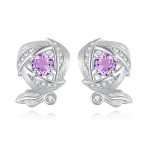 Amethyst Earrings
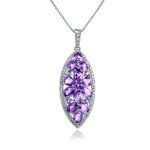 Amethyst Necklaces
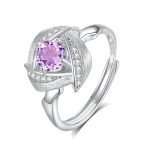 Amethyst Rings
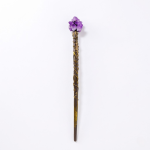 amethyst crystal healing
 Amethyst Beauty & Wellness
 Crystal Home Decor
 Spiritual & Divination Tools