Amethyst Quality Guide: Amethyst Grades & How to Tell if Amethyst is Real
If you’ve ever searched for amethyst crystals online and felt overwhelmed by confusing amethyst grades, vague descriptions, or wondered how to tell if amethyst is real, you’re not alone. The crystal market can feel like a maze of “AAAA investment-grade” jewelry jargon.
Here’s what most crystal sellers won’t tell you: we operate in a world with a Dual-Standard. The grading system used in fine jewelry (prioritizing flawless clarity for rings and necklaces) doesn’t necessarily align with what makes a powerful healing stone or a stunning decor piece (prioritizing mass and natural earth energy). An amethyst crystal with natural inclusions might carry incredible energy, while a perfectly clear AAA amethyst is exactly what you want for fine jewelry.
This guide breaks down high quality amethyst in a way that actually matters for both fine jewelry lovers and spiritual seekers. We’ll cover how to spot heat treated amethyst, what the grading scale means for different products, and the definitive signs of real vs fake amethyst.
Table of Contents
- Understanding Amethyst Quality: The Dual Standard
- Amethyst Grades Explained: Translated for Crystal Lovers
- Amethyst Crystal Color Variations
- Decoding Amethyst Inclusions & Natural Characteristics
- Heat Treated Amethyst vs. Natural
- Real vs Fake Amethyst: How to Tell if Amethyst is Real
- Size & Form: Choosing for Your Space
- A Practical Guide to Choosing
Understanding Amethyst Quality: The Dual Standard
In the fine jewelry world, quality is about perfection: flawless clarity, deep saturated color, uniform appearance. But in the crystal healing and home decor world, amethyst quality means something different—and often more interesting. We embrace a Dual-Standard to help you find exactly what you need.
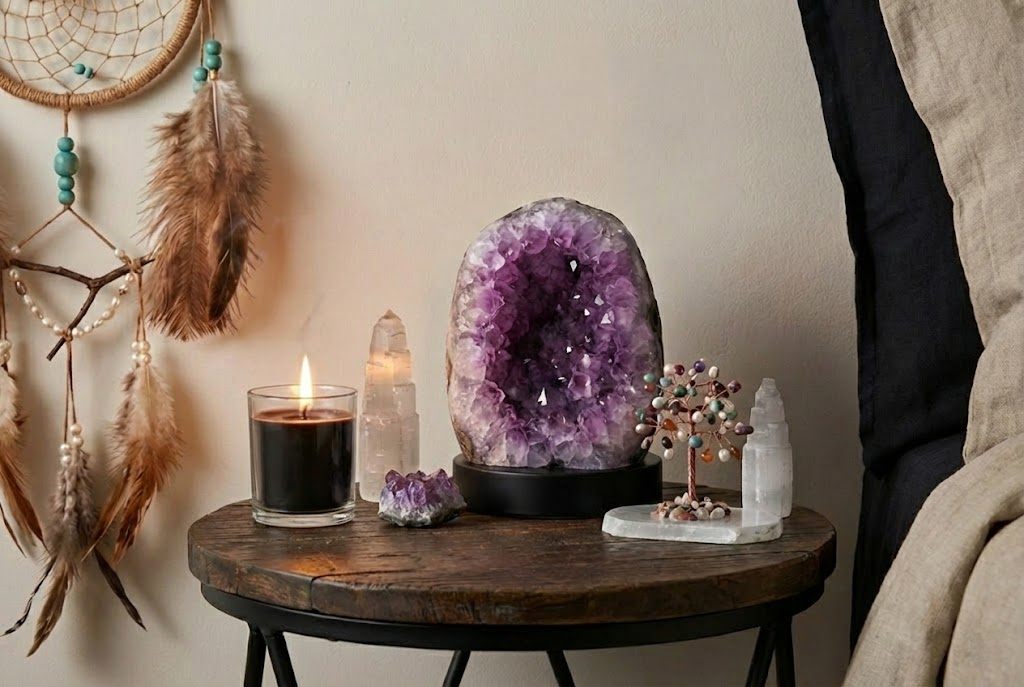
The Art of Jewelry (Perfection & Cut)
Flawless Clarity & Saturated Color
When crafting fine jewelry, the goal is to allow light to pass through the gemstone perfectly. This is where AAA amethyst shines. Jewelers look for “eye-clean” stones with high saturation, ensuring that a ring or necklace catches the light brilliantly without internal fractures blocking the sparkle.
The Power of Earth (Healing & Decor)
Energetic Integrity & Mass
An amethyst crystal’s healing properties come from its natural formation process—not whether it’s “flawless.” Many healers prefer crystals with natural amethyst inclusions (like golden goethite needles) because they add complexity to the stone’s energetic signature. For decor, a massive A-grade geode offers far more presence and energy volume than a tiny, flawless gemstone.
Amethyst Grades Explained: Translated for Crystal Lovers
The industry uses letter grades (A, AA, AAA, AAAA). But what does the amethyst grading scale actually mean depending on what you are buying? Here is the breakdown:
AAAA & AAA Amethyst – Fine Jewelry Standard
Top 10-30% of the market, deep color, eye-clean, perfect for jewelry.
What it means: This is the pinnacle of fine jewelry. A stunning aaa amethyst features rich deep purple and perfect clarity. They are usually faceted into small gemstones.
Best for: If you are looking for an engagement ring, a fine necklace, or investment-level jewelry, this is the grade you want. The flawless nature ensures maximum brilliance.
Shop Fine Amethyst Jewelry →AA & A Grade Amethyst – Healing & Decor Focus
Authentic, natural stones with volume, character, and inclusions.
What it means: This is where true earth energy resides. Color ranges from medium purple to lavender, often with visible inclusions, color banding, or matrix (host rock). These are typically larger pieces like geodes or clusters.
Best for: Daily altar work, bedroom decor, healing layouts, and large statement pieces. These stones deliver authenticity and immense energetic volume without the premium you’d pay for jewelry-grade perfection.
Shop Natural Amethyst Crystals →Amethyst Crystal Color Variations: Each Has Its Purpose
Forget the idea that deeper color always equals better amethyst crystals. Different purple shades serve different purposes in healing and design.
Deep Purple Amethyst Crystals (Siberian Tones)
What it looks like: Rich, wine-dark purple—almost burgundy in saturation.
Energetic properties: Grounding, protective, strong third-eye activation. Associated with deep spiritual work and transformation.
Medium Purple Amethyst Crystals (Royal & Violet Tones)
What it looks like: Classic purple—what most people envision when they think of high quality amethyst.
Energetic properties: Balanced spirituality and grounding. These amethyst crystals offer stress relief, emotional healing, and enhanced intuition.
Lavender & Rose de France Amethyst Crystals
What it looks like: Soft, ethereal lavender to gentle pink-purple.
Energetic properties: Gentle, nurturing energy. These softer amethyst crystals support emotional healing and softening grief or anxiety.
Decoding Amethyst Inclusions & Natural Characteristics
The things jewelry grading calls “flaws” often indicate authenticity. When looking at raw or decor crystals, here’s what those natural features actually mean:
Color Zoning in Amethyst
What it is: Visible bands or areas of different purple intensities within the same amethyst crystal.
Proof of natural formation! Each band represents a different growth phase in the crystal’s development. We embrace color zoning as part of their natural beauty—it tells the stone’s geological story.
Amethyst Inclusions (Internal Features)
Feather Inclusions
Liquid-filled fractures that look like wispy white lines. Extremely common in natural specimens and an excellent authenticity marker, as synthetic crystals rarely have them.
Goethite Needles
Golden-brown needle-like crystals of iron oxide running through the crystal. In “Super Seven” amethyst, these amethyst inclusions are highly desirable and add to energetic potency.
Heat Treated Amethyst vs. Natural: What You Need to Know
Transparency matters. A vast amount of amethyst in the market is heat-treated. But is heat treated amethyst bad? Not necessarily—it depends on your goal.
What Heat Treatment Does
Amethyst crystals are heated to 400-600°C to deepen pale purple to a richer color, create uniform color, or convert purple amethyst to citrine (yellow). The color change is permanent. In fine jewelry, this is standard practice to ensure your ring or necklace maintains a vibrant, uniform aesthetic.
Why It Matters for Healing
- Purist Purveyors: Prefer only natural, untreated amethyst to preserve the exact raw earth frequency.
- Practical Purveyors: Heat-treated amethyst still carries quartz energy, just slightly modified. It is perfectly fine for decor and general energy grids.
How to Spot It
Real vs Fake Amethyst: How to Tell if Amethyst is Real
If you are wondering how to tell if amethyst is real, or trying to compare real vs fake amethyst, here are the absolute tell-tale signs to protect yourself from synthetic or dyed fakes.
1. Natural Amethyst Crystals (The Real Deal)
How to tell if amethyst is real:
- Color Zoning: Real amethyst will often have uneven color distribution (color zoning) rather than a flat, perfect purple.
- Temperature: Real amethyst is a gemstone and will feel cold to the touch initially, whereas glass or plastic warms up quickly in your hand.
- Amethyst Inclusions: Look closely for tiny imperfections or “feathers” under the surface.
- Dichroism: Real amethyst shows slightly different shades of purple or bluish-purple when viewed from different angles.
2. Synthetic Amethyst (Lab-Grown)
How to recognize: Identical chemical composition, but created in weeks. It often boasts perfect clarity and color uniformity with absolutely no natural inclusions. It is frequently sold extremely cheap for its “flawless” look. Healing-wise, many consider it energetically dead.
3. Dyed Quartz / Glass (Complete Fakes)
How to spot a fake:
- Dye in Cracks: If the purple color looks exceptionally dark and concentrated inside the natural cracks of the stone, it is dyed.
- Air Bubbles: If you see tiny, perfectly round air bubbles inside the stone, it is 100% glass, not crystal.
- Unnatural Vibrancy: Often looks like a neon, bluish-purple that doesn’t exist in nature.
Amethyst Crystal Size & Form: Choosing for Your Space
Unlike jewelry where size dramatically increases cost per carat, larger amethyst pieces for healing and decor can be surprisingly accessible.
Small Amethyst Crystals (Under 2 inches)
Best for: Personal carry stones, crystal grids, jewelry-making, travel altars.
Medium Amethyst Crystal Pieces (2-6 inches)
Best for: Bedroom nightstands, office desks, small altars, meditation hand pieces.
Large Statement Amethyst Crystals (6+ inches)
Best for: Entryway protection, living room feng shui, main altar centerpieces.
How to Choose Your Amethyst Crystal: A Practical Guide
For Daily Meditation Practice
Choose: A or AA grade natural amethyst crystals, medium purple to lavender, raw or lightly polished.
Why: Accessible pricing lets you work with natural energy without paying for jewelry perfection.
For Living Room Statement Piece
Choose: A or AA grade amethyst crystals, 8+ inches, geode or large cluster.
Why: Visual impact matters more than “grade.” Larger A-grade pieces cost less than tiny AAA specimens but create dramatic presence.
Our Amethyst Crystal Quality Promise
We embrace the Dual-Standard because we believe authentic healing tools should be accessible, and fine jewelry should be breathtaking.
What you’ll find in our collection:
- Clear disclosure of any heat treatment across all items.
- AAA/AAAA grade stones reserved for our stunning fine jewelry pieces.
- A/AA natural grade specimens representing our core healing and decor collection.
- Source transparency—we work with established wholesale partners in Brazil and Uruguay.
Our philosophy: The best amethyst crystal for you is the one that calls to you energetically and fits your actual needs. “Quality” is about authenticity, beauty, and resonance—not arbitrary grading standards.
Red Flags When Shopping Elsewhere
Final Thoughts: Amethyst Quality is Personal
In fine jewelry, quality is objective: deeper color, fewer inclusions, more expensive. In crystal healing and intentional home design, quality is about alignment—does this amethyst serve your practice and bring beauty to your space?
The most important questions aren’t “What grade is this?” but rather: Is it real? Does the energy feel right to you? Will it serve your intended purpose?
We’re here to provide the transparency you need to answer those questions confidently.
Continue Exploring Amethyst Crystals:
- Hidden Rules in the Naming of Amethyst: How to Distinguish between “Siberian Amethyst” and “Dark Amethyst” Crystals?
- Amethyst Crystal Origin Guide: Brazil vs. Uruguay (Differences & Value)
- How to Choose an Amethyst Geode with High Appreciation Potential: A Complete 0.5 to 6 lbs Guide
- Amethyst crystals are not suitable for everyone to collect
- Amethyst for Sleep: How to Use It for Better Rest Tonight
- Amethyst for Anxiety: Does It Really Work? What You Need to Know
Quick Amethyst Quality Checklist
A good amethyst is not judged by one label alone. Check color depth, zoning, clarity, origin notes, cut, size, condition, and how transparent the seller is about the exact piece you will receive. If you are still checking authenticity, start with this real vs fake amethyst guide before comparing grades.
- Color depth: look for violet that stays attractive in normal room light.
- Color zoning: natural zoning can be beautiful, but large pale areas lower visual impact.
- Clarity: jewelry stones need cleaner faces; geodes and clusters can show natural inclusions.
- Origin: Brazil, Uruguay, Zambia, and Madagascar can produce different color and crystal habits.
- Cut or polish: check symmetry, surface finish, and whether the shape suits display or wear.
- Size and weight: larger pieces are not automatically better if color and condition are weak.
- Chips or cracks: inspect tips, edges, drilled holes, and geode rims.
- Seller transparency: prefer clear photos, measurements, weight, care notes, and return information.
| Grade | Typical Strength | Best Fit |
|---|---|---|
| AAA | Rich color, strong presentation, cleaner faces or dramatic crystal structure | Statement jewelry, display geodes, gifts where visual impact matters |
| AA | Good purple tone with some zoning, inclusions, or natural variation | Everyday jewelry, decor, first collector pieces |
| A | Lighter color, more visible inclusions, chips, or uneven finish | Budget decor, learning pieces, casual use |
For raw display pieces, compare these checks with our raw amethyst geodes buying guide so you can judge the stone and the display use together.
Before judging grade, first learn how to spot fake amethyst with non-destructive checks.
 Crystal Cluster
 Crystal Tower
 amethyst crystal ball
 Amethyst Caves for Sale
 Amethyst Bracelets
 Amethyst Earrings
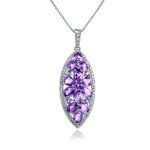 Amethyst Necklaces
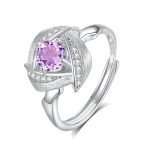 Amethyst Rings
 amethyst crystal healing
 Amethyst Beauty & Wellness
 Crystal Home Decor
 Spiritual & Divination Tools