Birthstone Rings Amethyst: A Complete Guide to Meaning, Selection, and Care
If you were born in February, or you’re shopping for someone who was, birthstone rings amethyst deserve a closer look. Amethyst has been the official February birthstone for over a century, and its deep purple color carries centuries of tradition around clarity, calm, and sincerity. It’s also one of the more accessible gemstones for rings—durable enough for regular wear, available in a range of price points, and genuinely beautiful without requiring a graduate degree to appreciate.
This guide covers what amethyst rings mean, how to tell the real ones from the fakes, and how to keep the color from fading. Whether you’re considering an engagement ring, a birthday gift, or something personal, you’ll find the practical details here.
The Meaning Behind Amethyst Birthstone Rings
The amethyst rings meaning people search for usually splits into two categories: the official birthstone association and the older, more layered history. Let’s start with the straightforward part.
Amethyst is the designated birthstone for February. In traditional gemstone lore, it’s linked to clarity of thought, emotional calm, and sincerity in relationships. These aren’t medical claims—they’re the kind of symbolic meanings that have attached themselves to gemstones over centuries, passed down through jewelry traditions and cultural practice.
What gives the amethyst engagement rings meaning a particular weight is its association with commitment and clear intention. Some couples choose it over diamond because the symbolism feels more personal: a stone traditionally said to represent sincerity and inner steadiness, set into a ring that marks a promise. Whether or not you subscribe to the symbolism, there’s something about choosing a stone with that kind of history behind it.
Then there’s the question many people type into search bars: why do bishops wear amethyst rings? The answer is rooted in the same tradition. In the Catholic Church, amethyst has symbolized piety, sobriety, and spiritual wisdom for centuries. The purple color was historically associated with royalty and virtue—a connection that predates Christianity entirely. Bishops’ rings use amethyst as a visual marker of their office and the qualities expected of it. It’s one of the clearest historical examples of a gemstone being chosen for its symbolic meaning rather than its market value.
In modern practice, many people use amethyst rings as a personal ritual anchor. I once had a conversation with someone who asked me directly whether I thought crystals actually “work.” I told her the honest answer: I don’t know if stones carry the kind of energy people sometimes describe. But I do know that when I keep something real and intentional on my hand—a stone I chose with care—I pause for a moment before reacting to things. That pause has value to me. It doesn’t need to be anything more than that. You can read more about traditional associations in our guide to amethyst healing properties.
Types of Amethyst Birthstone Rings for Different Uses
Not every amethyst birthstone ring serves the same purpose. The ring you’d wear to a wedding is different from the one you’d give a friend turning thirty. Here’s a practical breakdown by use case.
| Use Case | What to Look For | Typical Price Range |
|---|---|---|
| Engagement ring | Larger center stone, secure prong or bezel setting, 925 sterling silver or solid gold band, well-cut stone with even color | Higher end of range; depends on stone size and metal |
| Everyday wear | Low-profile setting, comfortable band width, durable design that won’t catch on clothing | Mid-range; sterling silver keeps costs reasonable |
| Gift for February birthday | Adjustable band for fit flexibility, gift box included, meaning card if available | Wide range; affordable February birthstone amethyst rings and pendants are easy to find under $50 |
| Stacking or fashion | Thin band, smaller stone, pairs well with other rings | Lower end; simple designs in sterling silver |
If you’re shopping for real amethyst rings for women who already own a lot of jewelry, consider something with a distinct cut—a pear shape or marquise stands apart from the round and oval stones most people default to. If this is someone’s first piece of amethyst birthstone jewelry, a classic oval or cushion cut in a sterling silver setting is hard to go wrong with.
Some people ask about specific brands, including whether Pandora birthstone rings with amethyst are worth the markup. The honest answer is that you’re paying for brand recognition and retail convenience. Independent sellers often offer comparable or better stone quality at lower prices, but you lose the in-store try-on experience and the brand’s return infrastructure. It depends on what matters more to you: the stone, or the shopping experience.
You can explore different stone presentations in our amethyst forms and shapes guide to understand how cut and form affect the look of a ring.
How to Select Real Amethyst Rings
Here’s the part where most buying guides get vague. This one won’t.
Real amethyst rings are distinguishable from glass and synthetic imitations if you know what to check. I spent an embarrassing amount of time in my first year learning these distinctions—partly through GIA coursework, partly through holding stones at mineral shows and asking sellers uncomfortable questions. Here are the criteria that actually matter.
Check the weight. Genuine amethyst is a form of quartz (SiO₂) with a Mohs hardness of 7. It’s noticeably heavier than glass of the same size and much heavier than plastic. Pick it up. If it feels unexpectedly light, that’s a flag.
Touch it to your skin. Real amethyst feels cool when it first contacts skin, then gradually warms. Glass is also cool, but it warms faster and more evenly. This isn’t a lab test, but it’s a useful first check.
Look for color zoning. Natural amethyst gets its purple color from trace amounts of Fe³⁺ (iron) activated by natural radiation over millions of years. This process doesn’t produce perfectly uniform color. Real stones show variation—some areas darker, some lighter, sometimes with white or clear patches. If the purple is perfectly even across the entire stone, be skeptical.
Ask about the metal. Quality amethyst rings for women use 925 sterling silver, which is 92.5% silver with a copper alloy for strength. It’s nickel-free, which means no green fingers and minimal skin irritation. Look for a “925” stamp on the band. If the seller can’t tell you what metal they’re using, that’s worth noting.
Ask where the stone comes from. Documented origin matters. Brazilian amethyst tends to be larger with a wider range of purple shades, from lavender to medium purple. Uruguayan amethyst is known for deeper, more saturated color—sometimes reaching that deep blue-purple that collectors call emperor purple. For jewelry specifically, sellers may not always provide mine-level origin, but “natural amethyst” should always be verifiable. For a deeper dive into what origin means for quality, see our amethyst quality and value guide.
Use accurate photography as your baseline. When buying online, the photos should look like what you’ll receive—same lighting, same angle, no color enhancement. This is what “WYSIWYG” means in practice: what you see is what you get. If the product photos look suspiciously perfect or overly saturated compared to natural amethyst you’ve seen elsewhere, proceed with caution.
For real amethyst rings for women, these checks cover the most common pitfalls. The stone itself should look like it grew in the earth, because it did.
Caring for Your Amethyst Ring to Preserve Color
This is the section most people skip, and it’s the one that costs them the most money later.
Amethyst’s purple color comes from Fe³⁺ ions in the crystal structure. When those ions are exposed to ultraviolet light over time, they undergo a chemical change that lightens the purple. This process is not reversible. I learned this the hard way when a buyer wrote to tell me her deep purple crystal point had turned lavender after a few months on a south-facing windowsill. The stone was still real. The color was gone.
For rings, the risk is lower because you’re not leaving them in direct sunlight for hours. But habits matter. Here are the care essentials:
- Avoid prolonged direct sunlight. Don’t leave your ring on a windowsill, dashboard, or sun-drenched bathroom counter. Wear it outside during the day—that’s fine. Hours of stationary UV exposure is the problem.
- Clean gently. Mild soap and lukewarm water with a soft cloth is all you need. Avoid ultrasonic cleaners, harsh chemicals, and bleach. Amethyst is hard (Mohs 7), but the metal setting and any surface treatments may not tolerate aggressive cleaning.
- Store separately. Amethyst can scratch softer stones and be scratched by harder ones (sapphire, ruby, diamond). A soft pouch or lined jewelry box compartment keeps it safe.
- Remove during heavy work. Gardening, weightlifting, cleaning with chemicals—any activity that risks impact or chemical exposure is a reason to take the ring off first.
For more detailed care rituals—including traditional cleansing methods like moonlight and sound—see our guide to amethyst care and cleansing.
Frequently Asked Questions About Amethyst Birthstone Rings
What is the meaning of amethyst as a birthstone?
As the February birthstone, amethyst is traditionally associated with clarity, calm, and sincerity. These meanings come from centuries of cultural and gemstone tradition, not from clinical evidence. Many people choose a birthstone amethyst ring as a personal reminder of qualities they value—something tangible that connects to their birth month.
Why do bishops wear amethyst rings?
In Christian tradition, bishops have worn amethyst rings for centuries as symbols of piety, sobriety, and spiritual wisdom. The purple color was historically associated with virtue and authority, a connection that extends back to ancient Roman and Greek cultures. The practice continues today as a visible marker of ecclesiastical office.
Are amethyst rings good for engagement?
Amethyst can work well for engagement rings, with some practical considerations. At Mohs hardness 7, it’s durable enough for regular wear but softer than sapphire (9) or diamond (10). A protective setting like a bezel helps. The amethyst engagement rings meaning—traditionally tied to sincerity and clear intention—appeals to couples who want symbolism beyond market convention. It’s a personal choice, and the purple color photographs beautifully.
How can I tell if an amethyst ring is real?
Check the weight (heavier than glass), touch it to your skin (real stone feels cool initially), and look for natural color zoning rather than perfectly uniform purple. Ask the seller about the metal (925 sterling silver is standard for quality settings) and whether the stone is natural amethyst. If buying online, look for accurate photography that shows the stone’s actual color and variation. Sellers who can’t answer basic sourcing questions are worth being cautious about.
What’s the difference between affordable and expensive amethyst rings?
Price differences usually come down to three factors: stone size, color depth, and metal quality. A larger stone with deep, saturated purple in a solid gold setting will cost more than a smaller, lighter stone in sterling silver. Both can be genuine. Affordable February birthstone amethyst rings and pendants in sterling silver are a practical starting point if you want something real without a large investment.
Find Your Perfect Amethyst Birthstone Ring
Choosing a birthstone rings amethyst piece comes down to a few honest questions: What does this ring need to do—mark a birthday, make a promise, or simply sit quietly on your hand as something real? How deep do you want the purple? What metal feels right? How much maintenance are you willing to do?
At Zerevia, our amethyst birthstone jewelry comes with accurate photography, documented-origin stones where available, and 925 sterling silver settings. We tell you what the stone looks like, where it comes from when we can verify it, and how to keep it from fading. That’s the baseline we think every buyer deserves.
If you’re ready to explore, you can browse our collection of amethyst birthstone rings or learn more about amethyst geological origins to understand what shapes the stone you’ll wear.
 Crystal Cluster
 Crystal Tower
 amethyst crystal ball
 Amethyst Caves for Sale
 Amethyst Bracelets
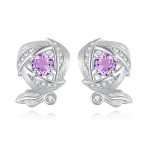 Amethyst Earrings
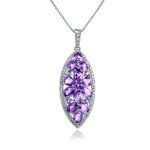 Amethyst Necklaces
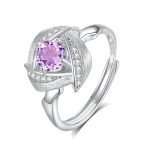 Amethyst Rings
 amethyst crystal healing
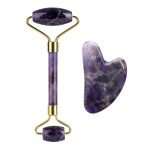 Amethyst Beauty & Wellness
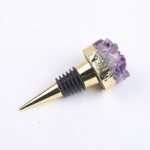 Crystal Home Decor
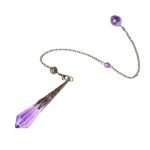 Spiritual & Divination Tools