Pink Amethyst Crystal Benefits: A Grounded Guide for Real Use
Pink amethyst crystal benefits come up frequently in my inbox—people want to know if this softer cousin of classic purple amethyst is worth adding to their collection, their nightstand, or their jewelry box. The short answer is that pink amethyst offers its own quiet appeal, rooted in different mineral chemistry and a distinct color tradition. But understanding what those benefits actually are—and aren’t—takes a bit more unpacking.
This guide covers what pink amethyst is, how its color forms differently from purple amethyst, the traditional and spiritual benefits people associate with it, practical care considerations, and how to choose between wearing it and displaying it. I’ll be specific where I can and honest about the edges where tradition begins and evidence ends.
What Is Pink Amethyst? (And How Its Color Forms)
Pink amethyst is a variety of macrocrystalline quartz—silicon dioxide, SiO2, the same base mineral as the purple amethyst most people recognize. It registers a 7 on the Mohs hardness scale, meaning it can scratch glass and holds up well for both display and daily wear in jewelry settings.
Here’s where it gets interesting, and where the understanding amethyst’s quality and value matters: the pink to rose color comes from a different mechanism than purple amethyst. While classic purple gets its color from iron ions (Fe3+) activated by natural radiation in the crystal lattice, pink amethyst typically owes its hue to inclusions—tiny traces of hematite or manganese woven into the quartz structure. These are natural features, not flaws, and they’re part of what makes each specimen distinct.
Most pink amethyst on the market comes from the Patagonia region of Argentina. The geological conditions there produce quartz with these specific inclusion patterns, giving the stones their characteristic blush tones that range from pale rose to deeper salmon-pink. You can read more about how origin shapes crystal character in our guide to amethyst’s geological origins.
A word of clarity: pink amethyst is not “better” or “more evolved” than purple amethyst. It’s a different color variety of the same mineral family, with its own visual character and its own place in the tradition. The benefits people find in it are specific to what that pink color represents—not a hierarchy of usefulness.
Traditional and Ritual Benefits of Pink Amethyst
When people ask about amethyst crystal spiritual benefits, they’re usually looking for something specific: a connection between the stone’s appearance and a particular kind of inner work. Pink amethyst fills a niche that purple doesn’t quite cover.
In traditional color associations, soft pinks and roses are linked to the heart chakra—Anahata, the energy center associated with compassion, emotional balance, and self-acceptance. Purple amethyst, by contrast, is traditionally connected to the third eye and crown chakras, which focus more on intuition, clarity, and a quieter mind. Neither association is a medical claim or a guarantee. They’re frameworks people use to organize their intentions.
Buyers I’ve spoken with often describe choosing pink amethyst for specific places: the bedside table for a gentler ritual before sleep, a personal altar space dedicated to reflection, or a desk where they want a small, grounding presence during a hectic workday. The ritual itself—the act of pausing, looking at the stone, and setting an intention—is the practice. The crystal is the anchor point for that practice.
If you’re exploring amethyst meaning and uses more broadly, you’ll find that the traditional framework applies across colors. Pink amethyst simply leans into a different emotional register: tenderness rather than transcendence, softness rather than stillness.
Pink Amethyst for Men: Practical Considerations
Someone once asked me, quite directly, whether pink amethyst crystal benefits for men are different than for women. The honest answer is that minerals don’t have gender preferences. Pink quartz doesn’t know who’s holding it.
What I can say is that men do choose pink amethyst—sometimes for the same quiet reasons anyone does, and sometimes for a reason that surprised me at first: contrast. A pink crystal on a dark wood desk, or a rose-toned slice on a shelf of neutral decor, creates visual tension that some people find genuinely appealing. It’s an unexpected piece. It doesn’t blend into the background the way a darker stone might.
Practically speaking, if someone is drawn to the color and the stone’s physical properties—its weight, its warmth when held, the way inclusions catch light—then the benefits are the same regardless of who’s using it. Place it on a desk, a bookshelf, or a nightstand. Carry a tumbled piece in a pocket. The mineral doesn’t discriminate based on the person holding it.
If you’re buying as a gift and wondering whether pink is “too feminine,” consider the recipient’s actual preferences rather than assumptions. A February birthstone in a color they’re genuinely drawn to is a more thoughtful gift than a safer choice based on convention.
Side Effects and Care: What “Benefits and Side Effects” Really Means
The phrase “amethyst crystal benefits and side effects” suggests something pharmaceutical, which makes me want to be precise about what we’re actually discussing. Crystals don’t produce side effects in the medical sense. What they do have are care requirements—and ignoring those can diminish the very qualities that drew you to the stone in the first place.
The primary care concern with any amethyst, including pink varieties, is UV fading. Prolonged exposure to direct sunlight can alter the color over time. For purple amethyst, the mechanism is relatively well-documented: UV light reduces the iron ions responsible for the purple, lightening the stone irreversibly. For pink amethyst, the inclusion-based coloring may respond differently, but the practical advice is the same—avoid placing your stone in direct, prolonged sunlight. A south-facing windowsill with hours of afternoon sun is not the right spot.
I learned this lesson through a buyer’s experience. She’d placed a purple crystal on a sunny windowsill and watched the color shift from deep purple to lavender over several months. The crystal was still real, still beautiful—but that specific color depth was gone, and it wasn’t coming back. I’ve since written care guidance into every product description.
Beyond light, basic care is straightforward:
- Clean with lukewarm water and a soft cloth. Avoid harsh chemicals.
- Store separately from harder materials (topaz, sapphire, diamond) to prevent surface scratches—amethyst is a 7 on Mohs, which is durable but not invincible.
- For jewelry with sterling silver settings, a polishing cloth keeps the metal bright without disturbing the stone.
Caring well for a piece isn’t a side effect. It’s how you preserve the benefit of having chosen it in the first place.
Comparing Pink Amethyst to Common Forms: Trees, Flowers, and Bottles
When you start looking at pink amethyst, you’ll encounter it in forms you might not expect—trees, flowers, and even water bottles. The benefits of each form depend on what you’re actually looking for, which is why it helps to separate aesthetics from function.
Amethyst Flower Crystal Benefits
Amethyst “flowers” are typically sculptural creations—clusters of crystals arranged or shaped to resemble blooming forms. Their primary benefit is aesthetic: they’re visually striking display pieces that work well on a shelf, mantle, or meditation space. The symbolic association with growth and beauty is part of their appeal. If you’re drawn to the form, you’re choosing decor with meaning rather than a tool with a specific function. For a broader look at crystal forms, see our amethyst forms and shapes guide.
Amethyst Crystal Tree Benefits
Crystal trees—wire or metal trunks studded with small crystal chips or points—are popular in feng shui traditions, where they’re sometimes placed in a wealth corner or near an entrance. The benefit is symbolic and decorative: they represent growth, abundance, and the beauty of natural forms compressed into a tabletop object. The crystals themselves are typically small and primarily ornamental. Choose one if the visual and symbolic meaning resonates with how you’ve arranged your space.
Amethyst Crystal Water Bottle Benefits
This is where I want to pause. Crystal water bottles have become popular, and the appeal makes sense—mindful hydration, a beautiful object, a small ritual attached to drinking water. But the primary benefit is the ritual itself: the act of choosing to drink slowly, paying attention to the object in your hand, creating a moment of calm in a routine task.
A few practical notes: if you’re using a crystal water bottle, the stone inside should be polished and certified water-safe. Raw, unpolished crystals may have surface inclusions or materials that are not appropriate for prolonged water contact. Metal components can corrode or leach. And the idea that water absorbs measurable “properties” from a crystal doesn’t have scientific support. The benefit is the ritual, not the chemistry. Please research safe materials before using any crystal in water you plan to drink.
Health Benefits: Separating Tradition from Clinical Claims
I want to address amethyst crystal health benefits directly, because this is where trust is either built or broken.
Amethyst is not a medical device. It is not a treatment for anxiety, insomnia, or any clinical condition. If anyone tells you otherwise—whether they’re selling a crystal or writing about one—they’re making claims that aren’t supported by medical evidence.
What tradition does offer is a framework for personal ritual. In many cultural traditions, holding or looking at a crystal is used as an anchor for mindfulness—a physical object that helps someone pause, breathe, and redirect their attention. That practice may contribute to a person’s sense of calm. But the calm comes from the practice, not from any inherent property of the mineral that can be measured or prescribed.
The verified, concrete amethyst healing properties in tradition are about what people choose to do with the stone—setting intentions, creating quiet space, building a ritual—not about the stone doing something to them. If you’re looking for medical support for a health concern, a healthcare provider is the right resource. If you’re looking for a beautiful mineral that might become part of a calming personal practice, that’s a real and valid reason to choose one.
Choosing Your Pink Amethyst: Jewelry vs. Raw Crystal
The benefits of wearing amethyst crystal and the benefits of displaying it overlap but aren’t identical. Your choice depends on how you want the stone to fit into your life.
Jewelry: Personal and Portable
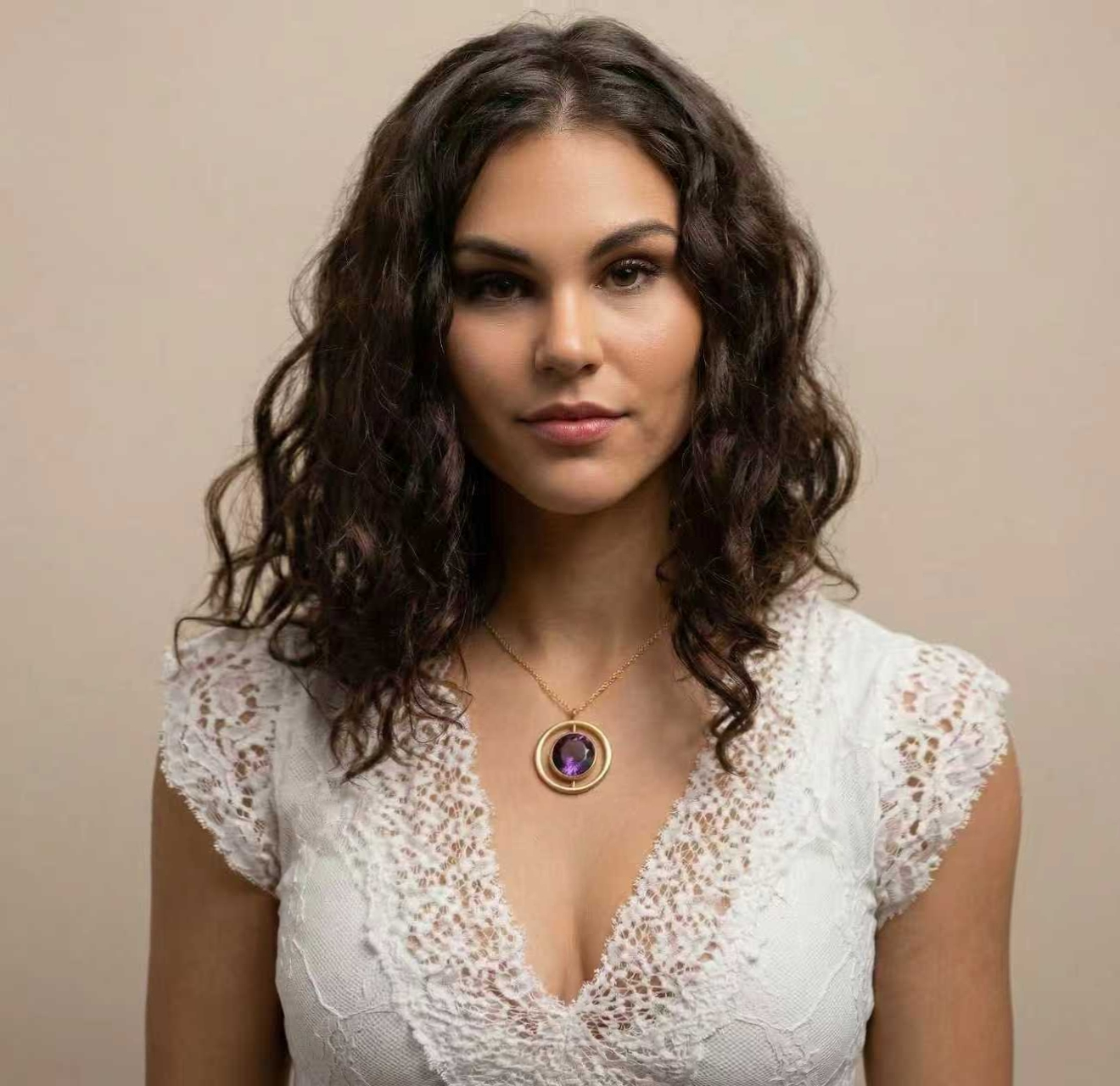
A pink amethyst ring, pendant, or pair of earrings offers constant proximity. You wear it, it moves with you, and the ritual is embedded in the act of putting it on each morning. Our jewelry uses 100% natural amethyst set in 925 sterling silver—nickel-free, meaning no green fingers, and each piece comes with a meaning card. We don’t claim specific mine origins for jewelry stones, but we do ensure the amethyst is genuine and accurately photographed.
Raw Crystal, Cluster, or Slice: Environmental Presence
A raw pink amethyst cluster or slice creates a visual anchor in a room. It sits on a shelf, a desk, or a windowsill (out of direct sunlight) and changes how a space feels. For raw pieces, documented origin matters—knowing whether your crystal came from Argentina, Brazil, or elsewhere tells you something about the color depth and crystal character to expect. We use WYSIWYG photography for raw crystals: what you see in the photo is the actual piece you’ll receive.
Decision factors to consider:
- Intended use: Personal carry and ritual (jewelry) vs. space decor and visual presence (raw, cluster, slice).
- Size: Jewelry is inherently smaller; raw pieces range from palm-sized specimens to statement geodes.
- Color depth: Pink amethyst varies from pale blush to deeper rose. Decide whether you want something subtle or something with more visual weight.
- Budget: Jewelry offers an accessible entry point; larger raw specimens and slices are a different investment.
If you’re ready to explore, browse our pink amethyst collection for documented-origin pieces with accurate photography and honest descriptions.
Frequently Asked Questions
Is pink amethyst the same as rose quartz?
No. Rose quartz and pink amethyst are both varieties of quartz (SiO2) with similar hardness, but they differ in color origin and visual character. Rose quartz typically gets its pink from trace titanium, iron, or manganese and often appears as massive, translucent material without defined crystal structure. Pink amethyst is a crystalline variety with visible inclusions—often hematite—that create the color. Rose quartz is more commonly found in Brazil and Madagascar, while pink amethyst most often comes from Argentina. Visually, pink amethyst tends to have more internal variation and structure.
Can men use pink amethyst?
Minerals don’t have gender. Pink amethyst benefits are the same regardless of who holds the stone. Men choose pink amethyst for the same reasons anyone might: the color appeals to them, they want a calming object on their desk, or they find the contrast visually interesting in their space. It’s a personal choice, not a gendered one.
Does pink amethyst fade in sunlight?
It can. While the fading mechanism for pink amethyst (inclusion-based coloring) may differ from purple amethyst’s iron-ion chemistry, the practical advice is the same: avoid prolonged, direct sunlight. UV exposure can alter or lighten the color over time, and once that happens, it’s irreversible. Display your piece in a spot that gets indirect light, and your stone’s color will stay true.
What’s the difference between pink amethyst and purple amethyst benefits?
The core mineral benefits—hardness, beauty, suitability as a ritual object or decor piece—are the same. The difference is in traditional color associations. Purple amethyst is linked to the third eye and crown chakras, with a tradition emphasizing intuition, clarity, and a calm mind. Pink amethyst leans toward the heart chakra, with associations around compassion, gentleness, and emotional balance. Neither set of associations is a guarantee. They’re frameworks people use to direct their personal practice.
Is it safe to make crystal-infused water with pink amethyst?
Safety depends entirely on the form of the stone. Polished, certified water-safe crystals are designed for contact with drinking water. Raw, unpolished pink amethyst should not go in water you plan to drink—the surface may contain materials that are not appropriate for ingestion. Metal components in crystal bottles can corrode. If you’re drawn to the ritual of crystal water, research safe materials first and treat the benefit as the act of mindful hydration, not as a health treatment.
Ready to see the quiet beauty of pink amethyst for yourself? Explore our collection of documented-origin pieces.
 Crystal Cluster
 Crystal Tower
 amethyst crystal ball
 Amethyst Caves for Sale
 Amethyst Bracelets
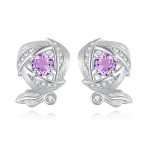 Amethyst Earrings
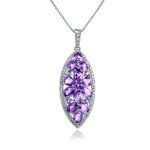 Amethyst Necklaces
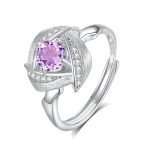 Amethyst Rings
 amethyst crystal healing
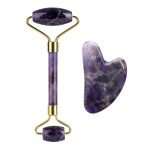 Amethyst Beauty & Wellness
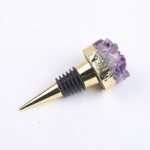 Crystal Home Decor
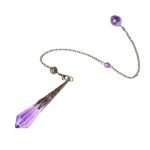 Spiritual & Divination Tools