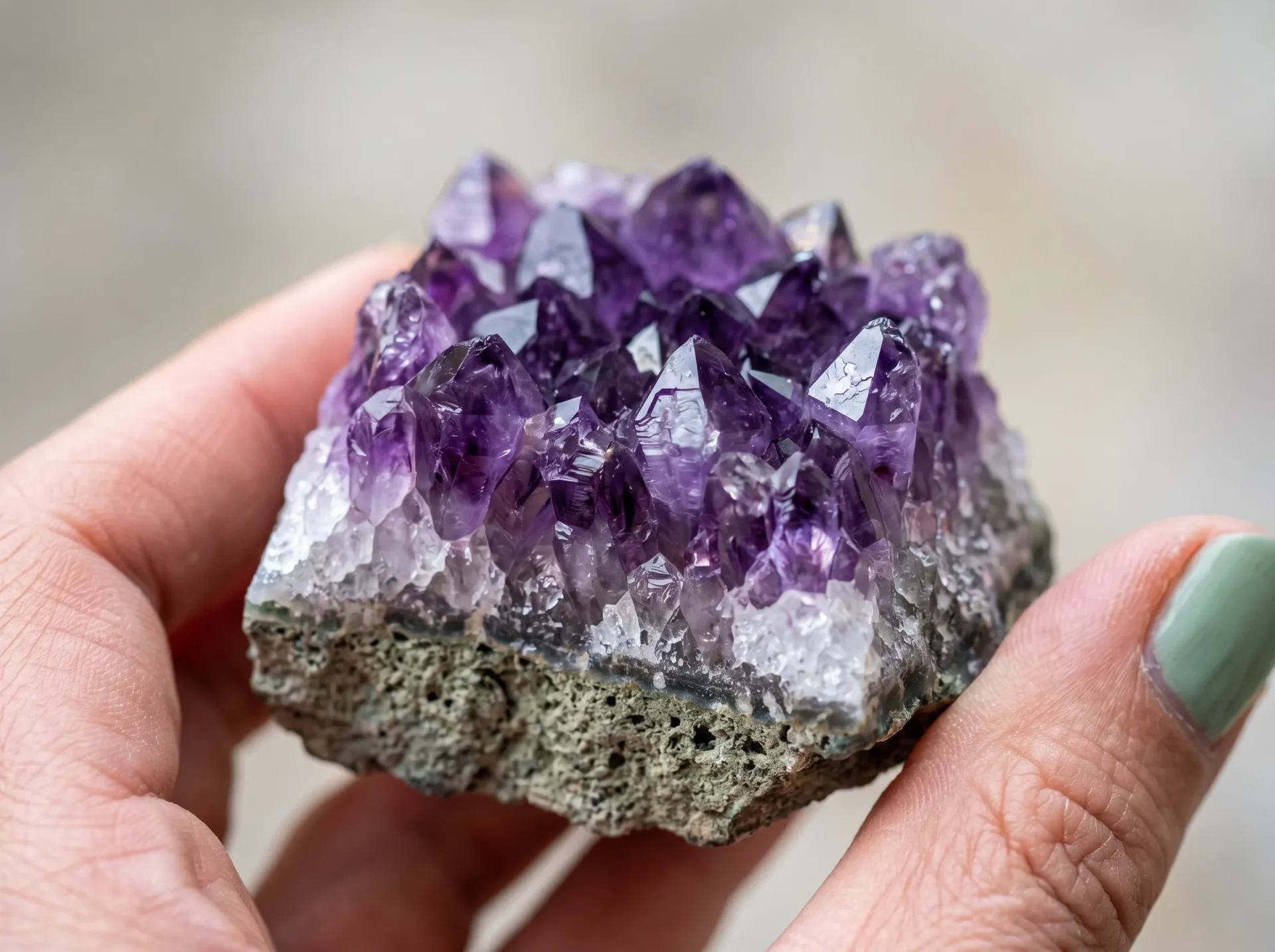
Amethyst Spiritual Meaning: What This Purple Stone Really Means
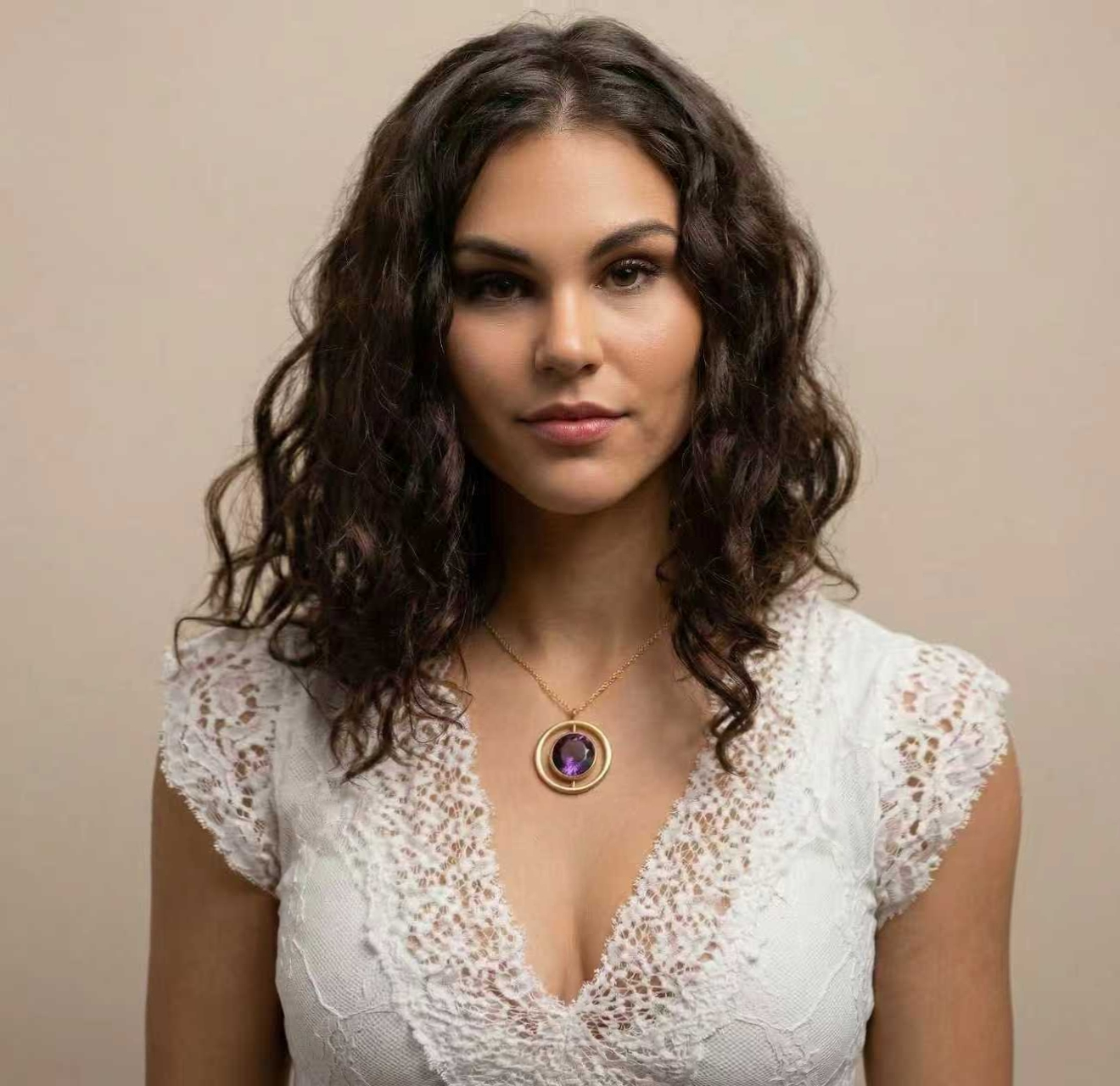
Why People Keep Asking This Question
Most people approach the spiritual meaning of amethyst with the wrong question. The one worth asking is why human beings have looked at this specific purple quartz for two millennia and collectively agreed that it means something.
Every week, someone sends a message asking what this stone is supposed to do. It is a fair question. We live in a loud, crowded world where it feels like everything demands a response, and people are looking for a quiet framework to process their daily lives. When you search for answers online, you are usually met with sweeping promises about mystical transformations or absolute skepticism that dismisses the entire conversation. Neither of those is particularly helpful.
I do not believe we need to force a choice between science and feeling. The history of this stone is documented, its chemistry is measurable, and the way human beings react to it is real. This guide is a look at what the spiritual meaning of amethyst actually is, where it comes from, and why it holds up today.
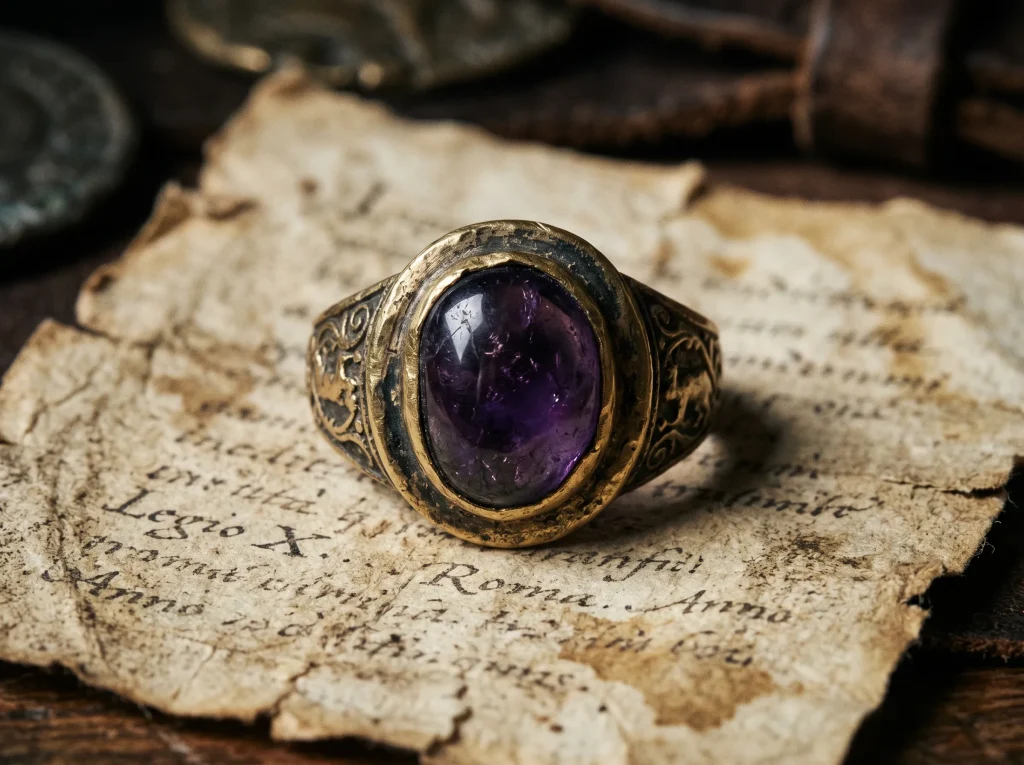
Where the Meaning Comes From — 2,000 Years in Two Minutes
The spiritual meaning of amethyst was not invented by the modern wellness industry. It is a deeply rooted cultural association that has survived the rise and fall of empires.
The name itself comes from the ancient Greek word amethystos, which translates to “not intoxicated.” In Greek mythology, the stone was believed to prevent drunkenness and keep the mind sharp. This was not just a metaphor. Ancient Greeks and Romans would carve goblets out of amethyst or wear it as an amulet while drinking, firmly believing the purple stone would anchor their senses and prevent them from losing control.
By the Middle Ages, the meaning shifted slightly but kept its core theme of mental clarity. High-ranking members of the church, particularly Catholic bishops, began wearing amethyst rings. For them, the deep purple color represented religious devotion, piety, and the ability to remain clear-headed and uncorrupted by worldly temptations. It was a physical symbol of a quiet, focused mind.
Across centuries, the underlying thread remains exactly the same. From Greek philosophers to medieval clergy, people have always looked at this stone and decided it represents a steady, sober, and unclouded state of being.
What “Spiritual” Actually Means for a Stone
When people ask what does amethyst do spiritually, there are generally two ways to answer.
The first is the psychological dimension. Human beings are deeply visual and tactile creatures. We respond to our environment. When you intentionally place a heavy, structured, naturally formed object in your space, it acts as an anchor for your attention. In behavioral psychology, this is known as a focal point or a cognitive anchor. The ritual of looking at a specific object to signal a shift in your mindset—like winding down for sleep or preparing to focus—is a proven psychological mechanism. The stone does not do the work for you. It gives you a place to direct your intent.
The second is the traditional framework. For centuries, people have mapped human experiences onto physical objects. In traditional Eastern belief systems and modern metaphysical practices, amethyst is traditionally associated with the third eye and crown chakras. These energy centers are said to govern intuition, clear thinking, and a connection to things larger than our immediate physical needs. We can’t promise it’ll work for you—but many people find comfort in this long-standing framework.
For the full breakdown of how these specific energetic centers are traditionally defined, see our amethyst crystal meaning guide.
The Purple Amethyst Meaning Across Cultures
The purple amethyst meaning changes slightly depending on where you look, but the themes of calm and clarity are universal.
In Western traditions, the focus is largely on protection and sobriety. It is seen as a shield against anxiety, a tool to keep the mind from spiraling into overthinking. The color purple itself has long been tied to nobility and quiet authority, reinforcing the idea of a grounded, protected state of mind.
In Eastern traditions, particularly in certain schools of thought regarding spatial arrangement, deep purple is the color of abundance and steady growth. A large, dark purple cluster is often placed in specific areas of a home to anchor the space. It is not necessarily about fast, chaotic wealth, but about the kind of stable, quiet prosperity that comes from clear decision-making.
In the modern wellness landscape, amethyst has become the unofficial stone of the anxious era. It is traditionally used as a calming stone. People are drawn to it because the color zoning—from deep violet at the base fading to soft lavender at the tips—offers a visual representation of tension dissipating.
There is no single correct interpretation. There is only the one that makes sense for your space.
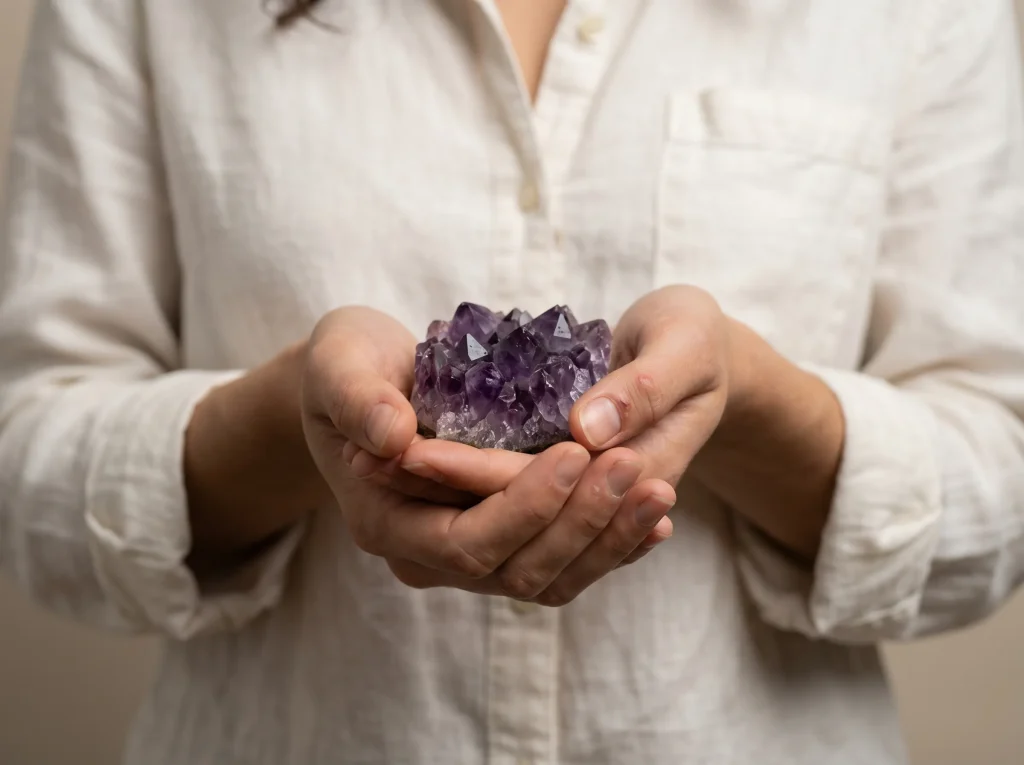
What Serena Actually Thinks — A Less Common Perspective
I have a UX design background, which means I spent years looking for verifiable answers and standardized data. I like things that can be explained. So, my relationship with the spiritual meaning of amethyst is not typical.
When I was twenty-nine, I spent a Wednesday night crying until one in the morning on the floor of a half-empty apartment. It was the kind of crying where you eventually forget what you are crying about. I couldn’t sleep, so I rode my bike to a vintage shop that stayed open late and bought a $12 amethyst cluster out of a wooden box by the register. The handwritten tag said it was for calm nights. I did not believe in crystal magic. I bought it anyway.
I put it on my nightstand, and that night was the first time in months I did not wake up at 3:00 AM. I knew it did not prove anything. But I started researching the Fe³⁺ coloring mechanism, looking up why it was purple, and tracing its origin. I needed a reason to keep looking at it, and understanding its real, physical history gave me that. That stone helped quiet my mind, not because of a spell, but because looking at it was better than looking at my phone. I never told anyone what happened that night.
I do not hate the mystical language people use. I understand that modern life is too crowded, and people need a framework to process what they feel. But I cannot say things I do not believe.
A buyer once sent me a message asking, “Do you believe crystals have energy?”. I sat at my screen for a few seconds. I told her that I believe when a person takes the time to choose a real mineral from a real place, puts it in their home, and stops to look at it every day, that action has value. I don’t know if that is energy or something else.
She told me it was the most honest answer she had heard. That works for me.
How to Work With Amethyst Spiritually — Without Overthinking It
If you want to incorporate this stone into your daily routine, you do not need a complicated rulebook. Many people find that keeping it simple is the most effective approach.
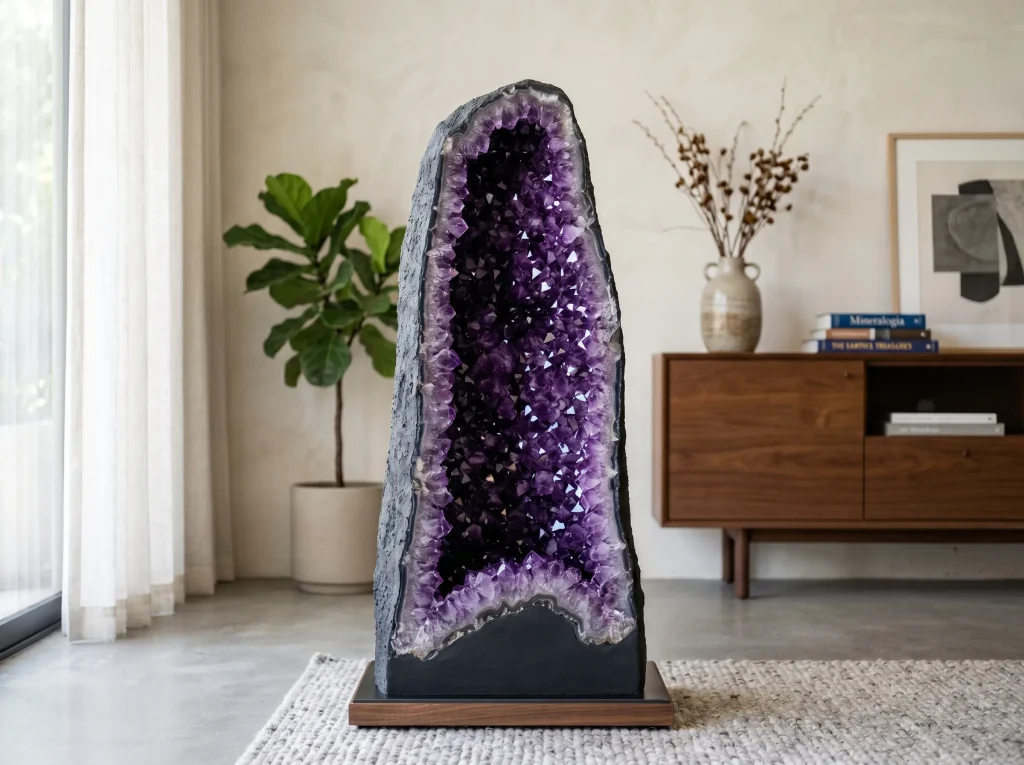
- On your nightstand: Place a cluster or geode next to your bed. It provides a dense, natural focal point to look at right before you turn off the light. This gives your brain an alternative to a glowing screen.
- On your desk: Use a raw point as a visual anchor during the workday. When you find your attention scattering across dozens of open browser tabs, take ten seconds to look at the physical weight and the uneven color distribution of the stone.
- Moonlight placement: Leaving your stone on a windowsill overnight under the moon is a traditional practice. It will not physically change the stone, but it provides a quiet moment of intentionality, which has its own psychological benefit.
For the full breakdown of how to use amethyst for sleep and anxiety, see our amethyst healing properties guide.
If you are looking for a piece with genuine depth to anchor your space, explore our natural amethyst crystals. These pieces are sourced from documented wholesale partners in Ametista do Sul, Brazil and Uruguay. If you prefer to keep the stone with you throughout the day, our amethyst jewelry is crafted with 100% natural amethyst, 925 sterling silver.
Take your time looking. If this is the one for you, you’ll know.
About this article
Written by Serena Delaney, Founder of Zerevia · GIA Gemology Graduate.
Content is based on hands-on specimen assessment, GIA gemology coursework, direct supplier sourcing, and questions collected from our customers. Where conclusions are based on personal observation or traditional belief rather than third-party testing, this is noted in the text.
Last reviewed: April 2026
 Crystal Cluster
 Crystal Tower
 amethyst crystal ball
 Amethyst Caves for Sale
 Amethyst Bracelets
 Amethyst Earrings
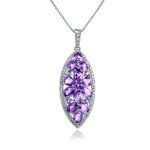 Amethyst Necklaces
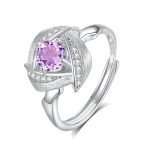 Amethyst Rings
 amethyst crystal healing
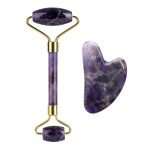 Amethyst Beauty & Wellness
 Crystal Home Decor
 Spiritual & Divination Tools