Amethyst Spirit Quartz Benefits: A Grounded Guide for Curious Buyers
If you’ve been exploring crystals, you may have come across amethyst spirit quartz and wondered what makes it distinct. The primary amethyst spirit quartz benefits lie in its unique appearance and the traditional beliefs surrounding it. This guide separates verified facts from cultural tradition, helping you understand its properties, common pairings, and practical care so you can decide if it’s the right crystal for your space or ritual.
What Is Amethyst Spirit Quartz?
Amethyst spirit quartz, sometimes called cactus quartz, is a formation where a central crystal point is covered in hundreds of smaller, druzy-like termination points. This gives it a sparkling, almost fuzzy appearance. The color is predominantly purple, ranging from pale lavender to deep violet, due to the same trace amounts of iron (Fe³⁺) that color all amethyst.
Most specimens originate from South Africa. Unlike a large geode or a single tower, its value is in the intricate, clustered texture. When choosing one, look for even coating and color consistency across the points. For a deeper dive into how this form compares to others, see our amethyst forms and shapes guide.
Traditional and Observational Benefits of Amethyst Spirit Quartz
People are often drawn to amethyst spirit quartz for its amethyst spirit quartz healing properties, understood through the lens of tradition and personal ritual rather than medical science. In many crystal practices, it is associated with calming energy, enhancing intuition, and fostering a sense of spiritual connection. These uses are rooted in cultural lore and individual experience.
From a mineralogical standpoint, its verified traits include a Mohs hardness of 7 (scratching glass) and its color origin from iron ions within quartz. A key care fact: its purple can fade irreversibly with prolonged UV exposure. The story of one buyer’s specimen fading after weeks in a sunny window is a common lesson in amethyst care and the importance of placement. This fading risk is a concrete, physical property, unlike traditional claims about energy.
Some users also explore the amethyst and rose quartz healing properties in combination, viewing amethyst for calm and clarity alongside rose quartz for themes of compassion. This is a personal practice, not a guaranteed outcome.
Amethyst Spirit Quartz in Crystal Combinations
Many buyers use spirit quartz within a larger collection. Here’s how traditional pairings are approached, focusing on practical setup rather than promises.
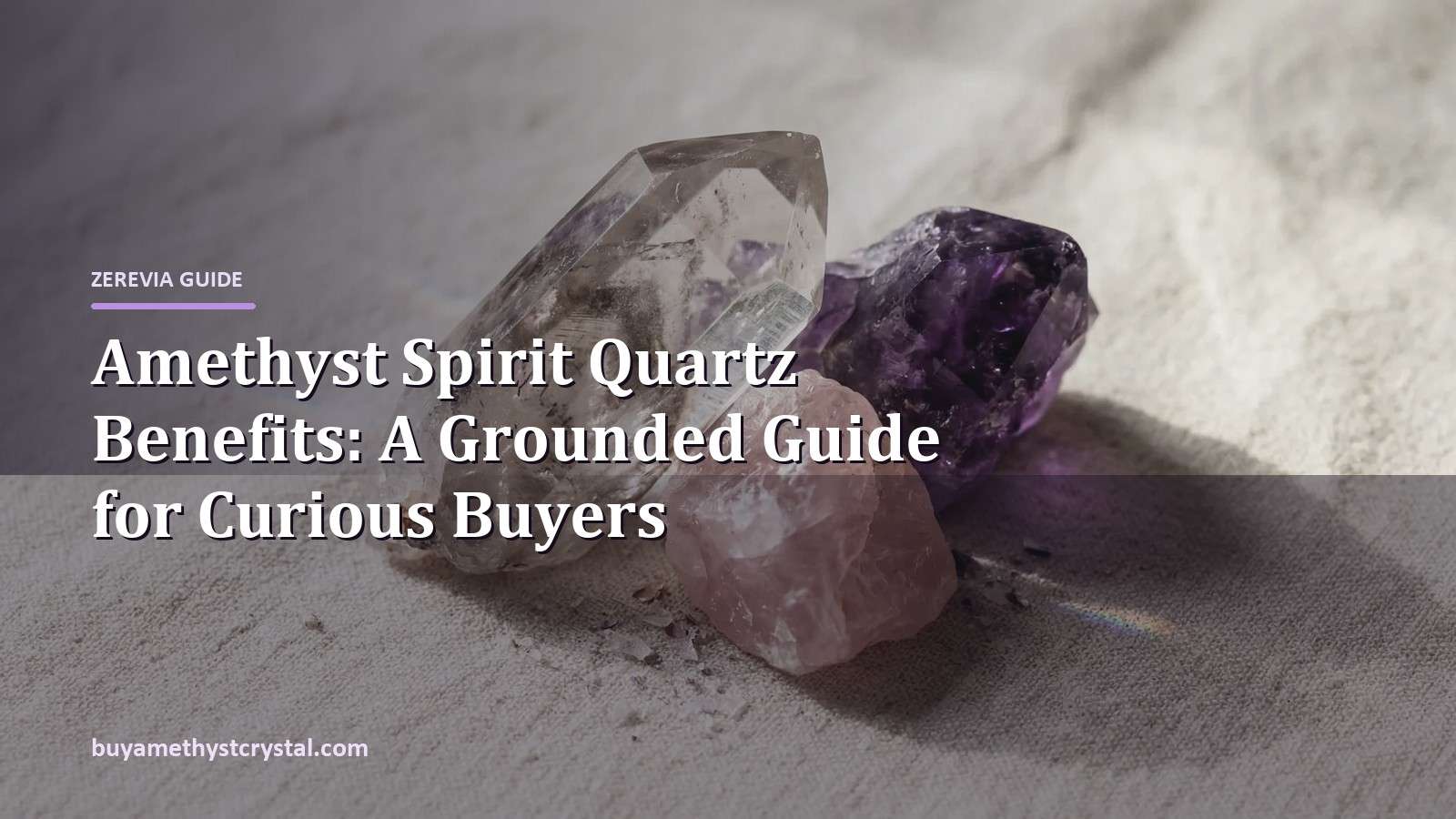
- With Clear Quartz: Amethyst and clear quartz benefits are traditionally seen as clarifying and amplifying. In a grid, clear quartz points might surround a spirit quartz center. Practically, choose similar-sized pieces for visual harmony.
- With Rose Quartz: The amethyst and rose quartz together benefits are often sought for balancing calm with emotional openness. A common ritual is placing them together on a nightstand. When considering rose quartz and amethyst together benefits, ensure you understand each stone’s care needs, as rose quartz can also fade in sun.
- With Rutilated Quartz: The amethyst rutilated quartz benefits are discussed in terms of combining amethyst’s purported clarity with rutilated quartz’s golden needles, which some believe aid in releasing negativity. The pairing is visually striking but has no scientific basis for enhancing properties.
- With Phantom Quartz: Amethyst phantom quartz benefits are linked in tradition to growth and past-life exploration due to the “ghost” layers within the phantom. Combining them is more about symbolic intention than measurable effect.
For guidance on evaluating quality across different forms and combinations, our amethyst quality and value guide is a helpful resource.
Practical Applications: Skin, Relationships, and Astrology
Amethyst appears in various life-context searches. These are best understood as cultural applications, not clinical directives.
Skin Care Rituals: Searches for amethyst skin benefits often refer to the practice of using cooled, smooth amethyst tumbled stones or rollers as part of a beauty routine. This is a sensory ritual—feeling the cool stone on skin—held in some traditions to promote a mindful moment, not to treat any condition.
Relationship Symbolism: Regarding amethyst stone benefits for female marriage, lore historically links amethyst to fidelity and a calm mind. It’s sometimes gifted as a symbol of a peaceful union. This is a symbolic gesture steeped in history, not a guarantee of relational outcomes.
Astrological Connections: Amethyst stone benefits astrology points to its association with Pisces and Aquarius. As the February birthstone, it’s used in jewelry to mark those zodiac signs or personal milestones. This is an astrological tradition, a personal talisman, not a requirement.
For proper care of any amethyst used in these contexts, consult our amethyst care and cleansing guide.
How to Care for and Choose Amethyst Spirit Quartz
Proper care preserves the specimen you choose. The most critical rule: keep amethyst out of direct sunlight. UV rays can cause the purple to fade permanently, a chemical change in the iron ions that cannot be reversed. Gentle cleaning with a soft, dry cloth is sufficient for the druzy coating.
When selecting a piece, consider:
- Color Depth: Deeper purple often comes from different geological conditions. Compare to what you see in our amethyst geological origins overview.
- Crystal Density: A full, even coating of tiny points is generally preferred.
- Origin: For spirit quartz, South Africa is the common documented origin. Asking about source is a reasonable part of the buying process.
Understanding the care needs ensures your crystal’s appearance remains stable for years.
Frequently Asked Questions
What are the main benefits of amethyst spirit quartz?
In tradition, it’s valued for its purported calming energy and spiritual connection. Factually, it’s a durable (Mohs 7) quartz variety with a unique visual texture that many find appealing for meditation spaces or as a decorative piece.
Can amethyst spirit quartz be combined with rose quartz?
Yes, this is a common pairing in crystal grids and altar setups. Traditionally, amethyst is associated with calm and rose quartz with love. The amethyst and rose quartz together benefits are about setting intentions for balanced energy. Practically, pair pieces of similar size and keep both out of direct sun.
How does amethyst spirit quartz compare to rutilated quartz?
They are different formations. Spirit quartz is defined by its druzy coating. Rutilated quartz contains needle-like inclusions of rutile. The amethyst rutilated quartz benefits discussed online blend amethyst’s lore with rutilated quartz’s reputation for “illumination.” Visually, they are strikingly different.
Is amethyst spirit quartz good for skin care?
Some people use cool amethyst stones in their beauty rituals as a sensory practice. There is no scientific evidence that amethyst provides topical skin benefits. The practice is about mindful ritual, not clinical results.
What astrological signs is amethyst spirit quartz associated with?
Amethyst is the traditional birthstone for February and is linked to the zodiac signs Pisces and Aquarius in Western astrology. This association makes it a popular choice for personalized jewelry or gifts for those born under these signs.
How do I care for amethyst spirit quartz to prevent fading?
Avoid placing it in direct sunlight or strong UV light. Clean it gently with a dry cloth. Do not use harsh chemicals or ultrasonic cleaners. Proper placement away from windows is the best way to maintain its color.
 Crystal Cluster
 Crystal Tower
 amethyst crystal ball
 Amethyst Caves for Sale
 Amethyst Bracelets
 Amethyst Earrings
 Amethyst Necklaces
 Amethyst Rings
 amethyst crystal healing
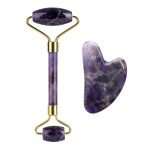 Amethyst Beauty & Wellness
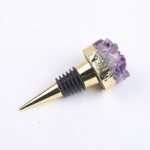 Crystal Home Decor
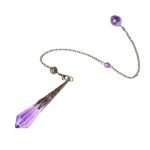 Spiritual & Divination Tools