What Does the February Birthstone Mean? A Grounded Guide to Amethyst
If you’ve ever asked what does the February birthstone mean, the short answer is amethyst — and the longer answer involves Greek wordplay, a real chemical mechanism, and a few thousand years of people associating violet quartz with clear thinking. This guide covers the February birthstone meaning, confirms the official designation with authoritative sourcing, and helps you choose or care for a piece that fits your life.
What Does the February Birthstone Mean?
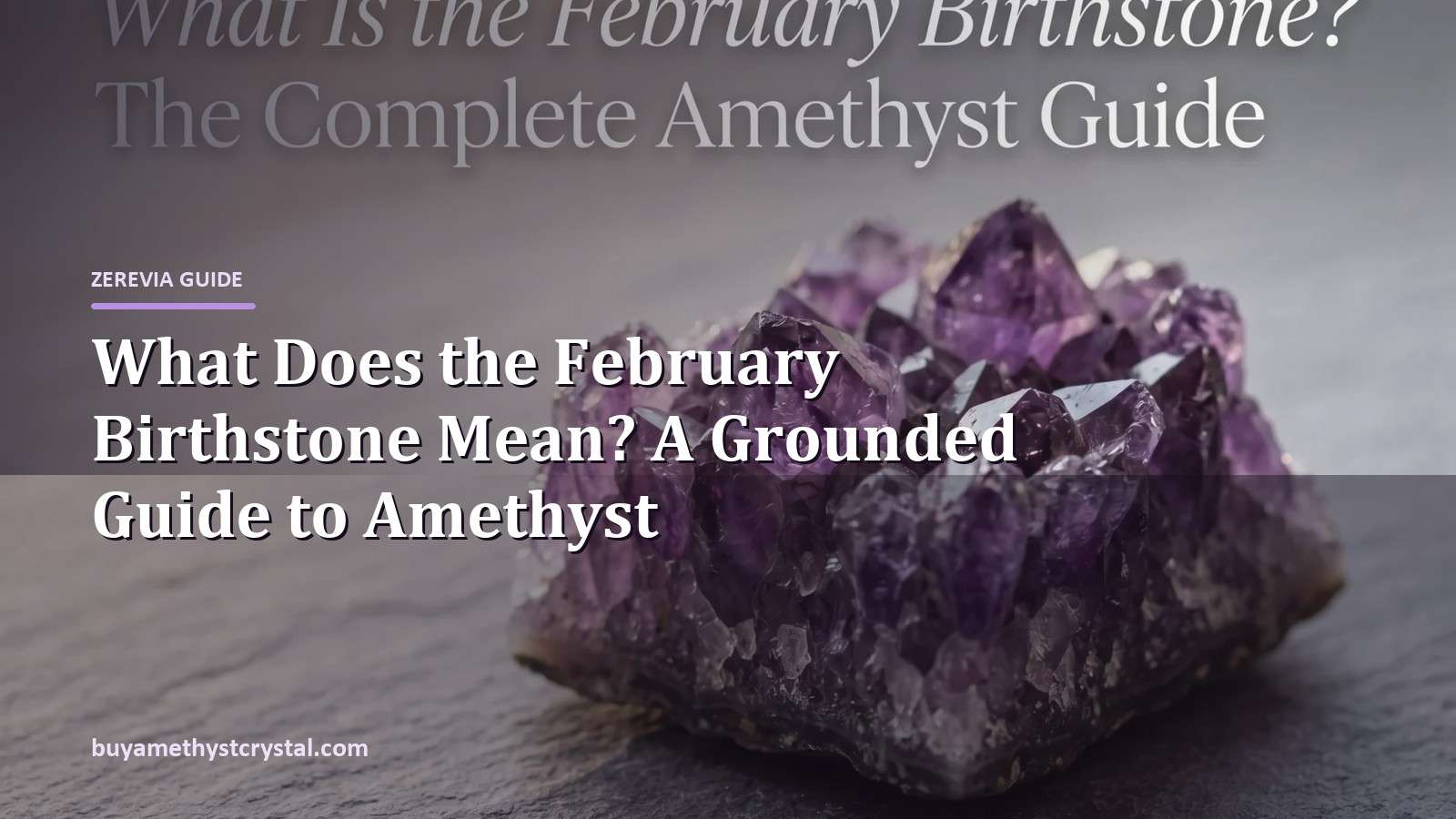
February’s birthstone is amethyst, a violet variety of quartz with the chemical formula SiO₂ and a Mohs hardness of 7. The February birthstone meaning traces back to the ancient Greek word amethystos, which translates roughly to “not intoxicated.” Greek tradition held that wearing this stone encouraged sobriety and clear-headed decision-making — a meaning that has softened over centuries into something closer to calm focus and emotional steadiness.
That purple color isn’t an accident of appearance. Amethyst gets its color from trace amounts of Fe³⁺ (triple-charged iron ions) locked inside the quartz crystal lattice, activated by natural background radiation over millions of years. When I finished the GIA coursework chapter on color mechanisms, I remember reading that passage twice — not because it was complicated, but because there’s something grounding about knowing the purple has a real, explainable chemical origin. It’s not magic. It’s geology, time, and iron.
Today, the symbolic interpretation of the February birthstone meaning tends to center on clarity, grounded focus, and personal ritual. People born in February often choose amethyst as a personal anchor — not because a stone can solve problems, but because a small, real, purple object on your desk or around your neck can serve as a quiet reminder to pause.
You can read more about amethyst meaning and uses in our deeper guide.
Is Amethyst February’s Official Birthstone?
Yes. If you’ve wondered whether is amethyst February’s birthstone in any official capacity, the answer is confirmed by the most respected gemological bodies in the world. The Gemological Institute of America (GIA) — the Febuary birthstone amethyst authoritative source most jewelers and gemologists cite — recognizes amethyst as the designated gemstone for February. The American Gem Society (AGS) agrees.
The modern birthstone list was standardized in 1912 by the National Association of Jewelers, and amethyst has held the February spot since then. But the association goes back much further. Ancient Romans and Greeks connected amethyst to the month of February and to the zodiac sign Pisces, which straddles late February. So when someone asks what does the February birthstone mean, the answer carries both formal gemological weight and centuries of cultural tradition.
For buyers, this matters: “February birthstone” isn’t a marketing invention. It’s a verifiable designation backed by institutions like the GIA, which has been grading and documenting gemstones since 1931. That kind of institutional grounding is worth knowing when you’re deciding whether a birthstone purchase feels meaningful or just decorative.
Curious about where amethyst actually comes from? Our guide to amethyst’s geological origins covers the major mining regions and what makes each one different.
The Deeper Symbolism: Why February and Amethyst Fit Together
February is an unusual month. It spans two zodiac signs — Aquarius (January 20 through February 18) and Pisces (February 19 through March 20) — and both have historical ties to amethyst. In traditional crystal associations, Aquarius is linked with clarity and independent thinking, while Pisces connects to intuition and inner stillness. Amethyst’s amethyst birthstone meaning bridges both: a stone that, in tradition, supports clear perception and emotional calm.
There’s also the Valentine’s Day proximity. February sits at the center of a season where people think about connection, and amethyst — with its traditional Greek association with sobriety — extends metaphorically into emotional steadiness. It’s a popular gift choice for that reason: not a promise of transformation, but a small, beautiful object that someone chose for you with care.
In feng shui tradition, amethyst is placed in spaces intended for restful sleep and focused thinking. Some practitioners associate it with the Third Eye and Crown chakras — the energy centers linked to perception and awareness in the Indian philosophical system. These are traditions and personal rituals, not medical prescriptions. But for many people, a deliberate ritual around a specific object — placing it somewhere intentional, pausing when you see it — is meaningful on its own terms.
For more on the historical and cultural layers, see our guide to amethyst in feng shui and history. If you’re interested in how people engage with amethyst as a personal practice, our amethyst healing properties page explores that without the exaggerated claims.
Choosing February Birthstone Jewelry: What Actually Matters
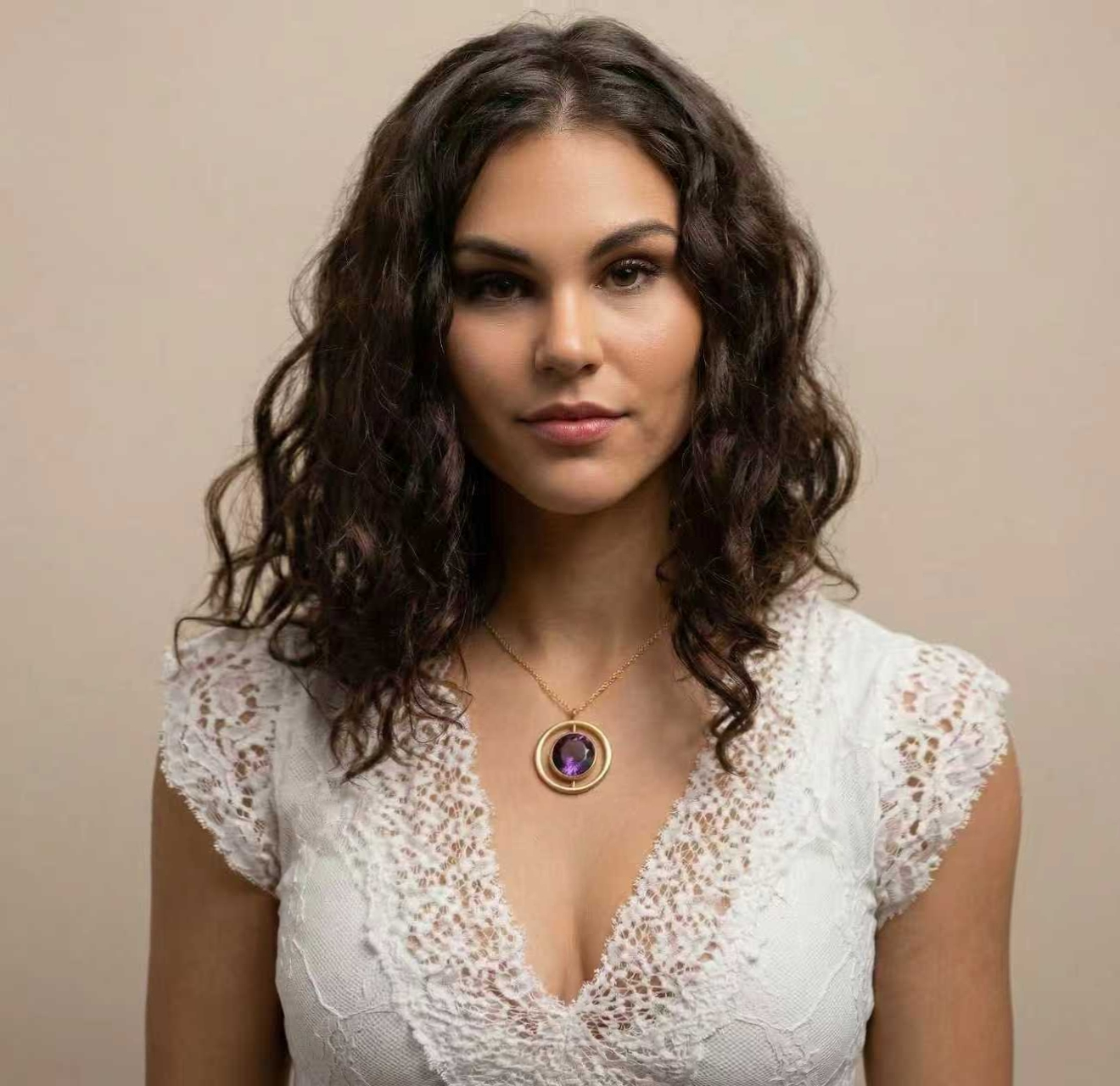
If you’re shopping for a February birthstone amethyst necklace or ring, here’s what to look for — and what to ignore.
Start with material authenticity. Look for 100% natural amethyst — not glass, not synthetic, not dyed quartz. If the listing doesn’t specify, that’s a flag. Reputable sellers state it plainly.
Check the setting metal. 925 sterling silver is the standard for quality birthstone jewelry. The “925” stamp means 92.5% pure silver alloyed with copper for durability. It’s nickel-free, which means no green fingers and less risk of skin reaction — something worth confirming, especially for everyday wear.
Popular necklace styles for birthstone gifting include solitaire pendants (simple, classic, works with everything), pear-cut drops (a little more formal), and cushion-cut halos (more visual presence). Rings tend toward either adjustable designs — which solve the sizing question entirely — or traditional solitaire settings for daily wear.
Color depth is a real choice. Deeper purple, sometimes called emperor purple, reads as the traditional February birthstone look. Lighter lavender tones are more subtle and less expected. Neither is better; it depends on whether you want the stone to announce itself or whisper.
Many birthstone jewelry pieces ship in gift boxes with a meaning card — check the product details. And one care note: avoid leaving amethyst in direct sunlight. UV exposure causes irreversible fading; the Fe³⁺ ions that create the purple will reduce under prolonged UV, and the color won’t come back. Store it away from windows.
For help understanding the different shapes and cuts available, our amethyst forms and shapes guide walks through the options.
Frequently Asked Questions
Is amethyst the official birthstone for February?
Yes. The Gemological Institute of America (GIA) and the American Gem Society (AGS) both confirm amethyst as February’s designated birthstone. This has been the standard since the National Association of Jewelers standardized the modern birthstone list in 1912.
What does the February birthstone symbolize?
Traditionally, the February birthstone meaning centers on clarity, sobriety, and calm focus. The Greek root amethystos means “not intoxicated,” and over centuries that association broadened into emotional steadiness and clear thinking. These are symbolic traditions, not medical guarantees.
What is the authoritative source for February birthstone information?
The Gemological Institute of America (GIA) is the most widely cited gemological authority for birthstone designations. GIA has been documenting and grading gemstones since 1931 and maintains the reference standards most jewelers use.
What are popular styles for February birthstone amethyst necklaces?
Solitaire pendants, pear-cut drops, and cushion-cut halos set in 925 sterling silver are the most common styles for February birthstone jewelry. Look for 100% natural amethyst and nickel-free settings for everyday comfort.
How should I care for February birthstone amethyst?
Keep amethyst out of direct sunlight — UV fading is irreversible and will permanently lighten the purple. Clean with mild soap and lukewarm water, and store separately from harder stones (amethyst is Mohs 7, so harder gems like sapphire or diamond can scratch it).
 Crystal Cluster
 Crystal Tower
 amethyst crystal ball
 Amethyst Caves for Sale
 Amethyst Bracelets
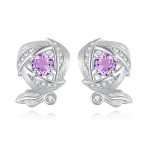 Amethyst Earrings
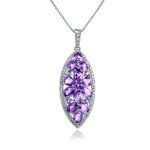 Amethyst Necklaces
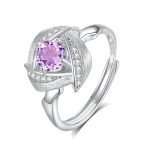 Amethyst Rings
 amethyst crystal healing
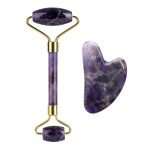 Amethyst Beauty & Wellness
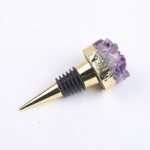 Crystal Home Decor
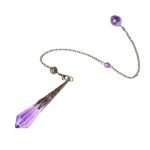 Spiritual & Divination Tools