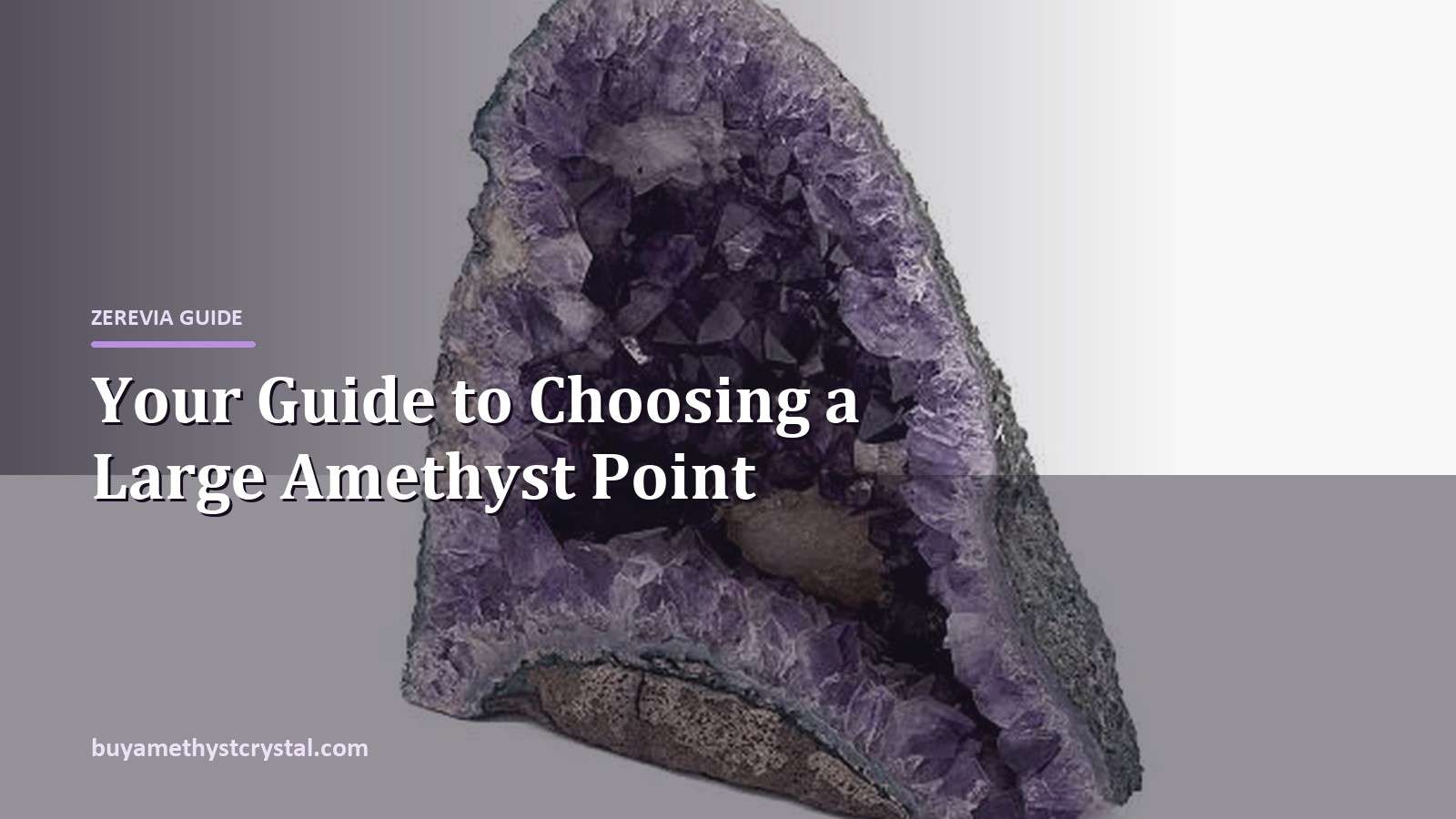
Your Guide to Choosing a Large Amethyst Point
Selecting a large amethyst point is about finding a crystal that commands space with both its size and its color. Whether you’re drawn to it as a piece of natural art, a focal point for a quiet ritual, or a statement in your home, knowing what to look for makes all the difference. This guide will walk you through the key considerations, from understanding its traditional meaning to spotting a genuine piece and caring for it properly.
Why Choose a Large Amethyst Point?
A large amethyst point, sometimes called an amethyst tower or obelisk, acts as a visual and symbolic anchor in a room. Its height and tapered form draw the eye upward, creating a sense of direction and focus. This makes it a popular choice for altars, meditation spaces, or as a standalone decor piece on a shelf or table.
Size and origin often go hand-in-hand. If you’re looking for a large, impressive specimen, you’ll frequently find they come from Brazil, which produces amethyst in larger volumes and sizes. The crystals from Brazilian geological origins are known for their size and a range of purple tones, from soft lavender to medium violet. Uruguayan amethyst, while often deeper in color, tends to form in smaller, denser clusters. Choosing between them is a matter of personal priority: sheer presence versus concentrated color depth.
Understanding Amethyst Point Meaning and Uses
The crystal tower shape itself carries symbolic weight. Traditionally, its pointed tip is thought to direct and focus energy upward and outward. This makes it a common centerpiece for intention setting or as the focal point of a crystal grid. It’s not about guaranteed outcomes, but about having a physical anchor for your personal practice or quiet moment of focus.
As for the amethyst point crystal meaning, the mineral has long been associated with the upper chakras. In traditional systems, it’s linked to the Third Eye Chakra (Ajna), connected to intuition and insight, and the Crown Chakra (Sahasrara), associated with awareness and connection. These are frameworks for understanding, not medical prescriptions. A large point can serve as a beautiful visual reminder of these concepts. For a deeper dive into the mineral’s traditional associations, you can explore its amethyst healing properties and traditional meanings.
How to Spot a Fake Amethyst Point
When investing in a large piece, authenticity matters. A convincing fake amethyst point can be made from glass, dyed quartz, or even plastic. Here are a few concrete tests I use:
- Weight Test: Real amethyst (SiO2 with Fe3+) is dense. It will feel heavier in your hand than you might expect for its size, especially compared to glass or acrylic.
- Temperature Test: Hold it to your cheek or wrist for a few seconds. Genuine stone will feel cool to the touch initially and then slowly warm from your body heat. Glass also feels cool but tends to warm more quickly and uniformly.
- Look for Natural Inconsistencies: This is the most important check. A real amethyst point will have color zoning—areas where the purple is deeper, lighter, or even absent. You might also see inclusions like tiny veils or needle-like rutile strands inside. A stone with perfect, uniform color throughout is a red flag.
- Ask for Origin: A seller who can’t or won’t tell you where the crystal was mined is a warning sign. Documented-origin crystals from known regions are a baseline for trust. You can learn more about evaluating quality in our amethyst quality and value guide.
Large Amethyst Point vs. Other Shapes: Geodes, Clusters, and Spheres
A point is just one of many forms. Your best choice depends on the role you want the crystal to play.
| Shape | Best For | Visual & Traditional Impression |
|---|---|---|
| Large Amethyst Point | Direction, focus, altar centerpieces, shelf statements. | Upward energy, intentional placement. |
| Geode (Cave) | Ambient decor, creating a focal “wow” in a room, traditional “wealth corner” placement. | Radiant energy from a hollow interior, visual drama. |
| Cluster | Tabletop decor, group settings, believed to “clear” energy in a space. | Multiple points radiating outward from a shared base. |
| Sphere | Meditation, symbolizing wholeness, continuous gentle energy flow. | Smooth, unified, and symmetrical presence. |
Ask yourself: Do I want to direct energy, fill a space, or hold a smooth, complete form? Your answer will point you toward the right shape. See more options in our amethyst forms and shapes guide.
Caring for Your Large Amethyst Point Properties
Caring for your large crystal is simple, but one rule is non-negotiable: avoid direct sunlight. The Fe3+ ions that give amethyst its purple color can be permanently altered by UV light, causing the color to fade. I once had a buyer contact me because her deep purple point had faded to a pale lavender after a few months on a sunny windowsill. That color change is irreversible.
Safe Care Practices:
- Placement: Keep it in indirect light. A shelf, mantle, or table away from sunny windows is ideal.
- Cleansing: For energetic cleansing traditions, safe methods include placing it under the moonlight (a full moon is traditional), using sound from a singing bowl, or wafting sage or palo santo smoke around it. Physical dusting with a soft, dry brush is fine.
- Handling: Large points can be top-heavy and their tips can be fragile. Always hold them from the base.
For a complete care routine, refer to our amethyst care and cleansing guide.
Common Questions About Large Amethyst Points
What is the melting point of amethyst?
Amethyst is a variety of quartz (SiO2), which melts at approximately 1650°C (3000°F). This is a scientific property of the mineral and isn’t relevant to normal use or home environments. The primary care concern is UV fading, not heat.
What is an aura amethyst point?
An aura amethyst point is a natural amethyst that has been treated with a metallic coating (often titanium or gold vapor) to create an iridescent, rainbow sheen. It is a man-made treatment that alters the surface appearance. While beautiful, it is distinct from an untreated natural amethyst point. The treatment does not affect the mineral’s core composition but changes its visual character.
Which chakra is amethyst for?
In traditional systems, amethyst is most associated with the Third Eye Chakra (Ajna), located between the eyebrows, and the Crown Chakra (Sahasrara), at the top of the head. It’s traditionally connected to themes of intuition, clarity, and spiritual awareness. These are symbolic associations, not medical claims.
Do amethyst point benefits change with size?
The core properties relate to the amethyst mineral itself—its color, clarity, and origin. In traditional belief, a larger point is sometimes seen as a more potent or significant symbol for anchoring intention or serving as a focal point in a space due to its visual presence. The practical benefit of a larger piece is its role as a substantial decorative and intentional object.
What is the point of amethyst in Minecraft?
In the game Minecraft, “amethyst” refers to a fictional crystal block found in geodes. It’s used to craft items like spyglasses and tinted glass. It’s a creative game element inspired by the real mineral but has no connection to the physical, geological, or traditional properties of actual amethyst.
Ready to find your large amethyst point? Browse our collection of natural amethyst points, each photographed exactly as you’ll receive it, with documented origin and accurate color representation.
 Crystal Cluster
 Crystal Tower
 amethyst crystal ball
 Amethyst Caves for Sale
 Amethyst Bracelets
 Amethyst Earrings
 Amethyst Necklaces
 Amethyst Rings
 amethyst crystal healing
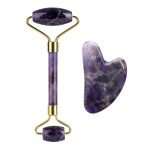 Amethyst Beauty & Wellness
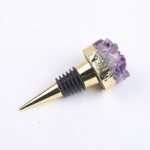 Crystal Home Decor
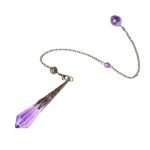 Spiritual & Divination Tools