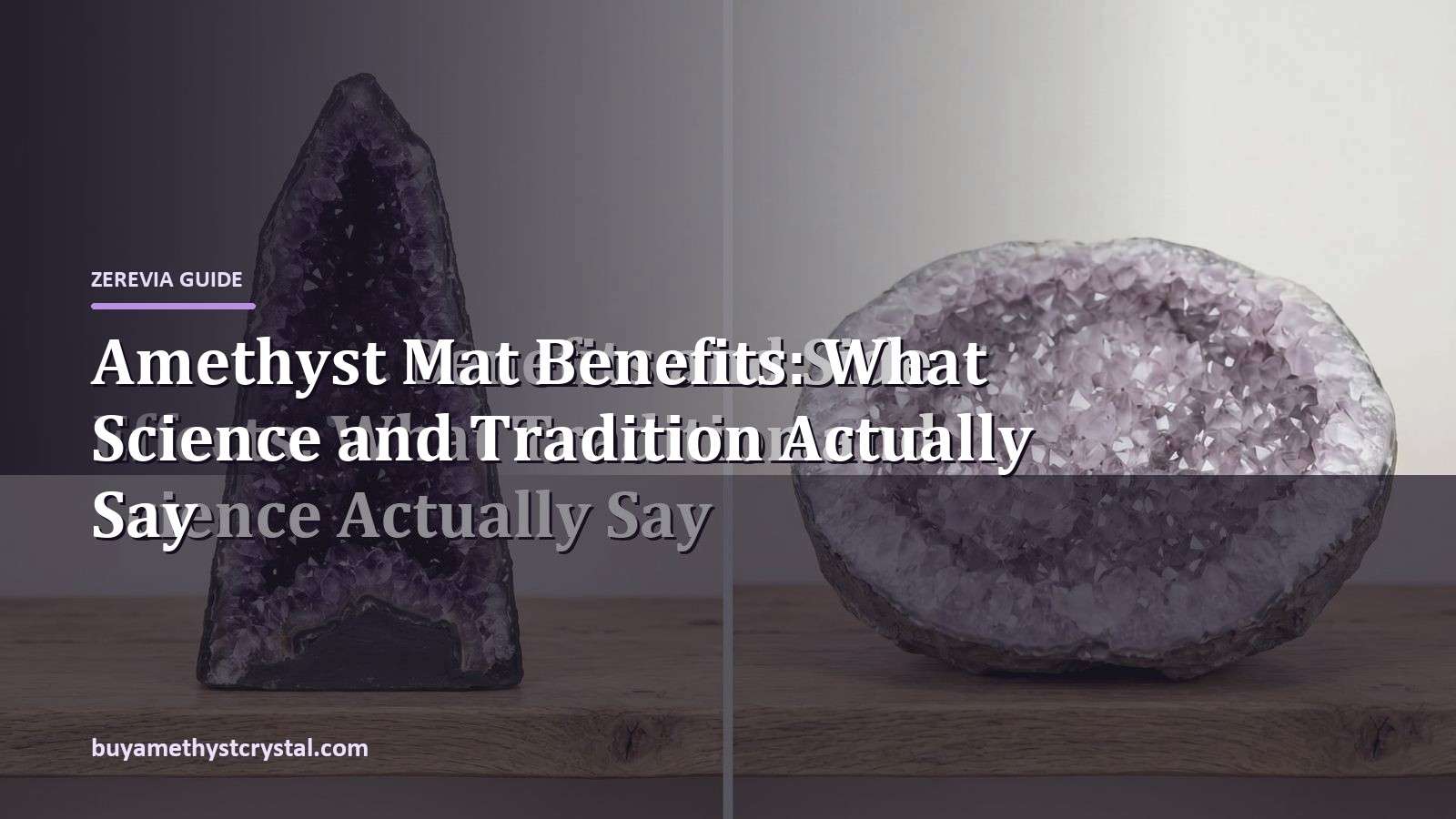

Amethyst Mat Benefits: What Science and Tradition Actually Say
When people search for amethyst mat benefits, they’re usually looking for one of two things: confirmation that a heated crystal mat will help with comfort and relaxation, or a deeper understanding of what amethyst actually does inside these devices. This guide covers both — honestly, with the practical details you need before spending $200 to $2,000 on a mat you may only partially understand.
I don’t sell infrared mats. Zerevia specializes in documented-origin raw amethyst, geodes, and natural amethyst jewelry. But I’ve fielded enough buyer questions about mats — and about amethyst varieties like pink amethyst, chevron amethyst, and African amethyst — to know that the information gap between marketing and material reality is wide. So here’s what I’ve gathered, in the language I wish someone had used with me.
What Is an Amethyst Mat and How Does It Work?
An infrared amethyst mat is a heating pad with crushed or tumbled amethyst crystals layered inside fabric channels. The mat uses far-infrared (FIR) heat generated by heating elements that pass through the crystal layer. Some mats also include pulsed electromagnetic field (PEMF) coils — a separate technology layered onto the same product for additional stimulation.
The heat is the primary mechanism here. Amethyst, as a natural quartz (SiO2) with a Mohs hardness of 7, contributes heat retention and even distribution across the mat surface. The crystals absorb warmth from the heating elements and release it gradually, which is why heavier mats with more amethyst material tend to hold heat longer than lightweight alternatives.
A few things worth knowing upfront:
- Amethyst is a real mineral with real thermal properties — it stores and radiates heat differently than ceramic or carbon fiber heating elements
- The purple color comes from trace amounts of Fe³⁺ (three-valent iron ions) activated by natural radiation over millions of years — it’s a verifiable chemical process, not a mystical one
- These are consumer wellness devices, not medical equipment. The distinction matters
For a broader look at how amethyst works as a material — its color mechanics, crystal structure, and traditional associations with calm and clarity — our amethyst healing properties guide covers the geology and cultural history in more depth.
Claimed Amethyst Mat Benefits: Traditional Use vs. What Heat Actually Does
Here’s where honesty gets interesting. Far-infrared heat penetrates tissue more effectively than surface heat — this is physics, not crystal magic. FIR wavelengths in the 5–15 micron range can warm deeper tissue layers compared to a standard electric heating pad, which primarily heats the skin surface. That’s a real, measurable difference.
The amethyst layer itself adds two things: material warmth retention (the crystals absorb and slowly release heat, creating a more even temperature) and a tactile, grounding sensory experience. When you lie on a mat covered in tumbled stones, you feel the weight and texture of real mineral. That’s a physical sensation, not a metaphor.
Traditional crystal use — across multiple cultures, not just one lineage — associates amethyst with calm, clarity, and emotional steadiness. These are traditional associations. They are not clinical claims, and I won’t frame them as such. What I will say is this: the combination of infrared heat, crystal material, and intentional time set aside to lie still on a mat creates a ritual. Many buyers find that ritual genuinely valuable — not because the stone is doing something medical, but because real things, held with intention, have a way of anchoring your attention.
Does the amethyst itself provide benefits beyond what the infrared heat does? No peer-reviewed clinical trials have validated amethyst-specific health claims separate from the FIR mechanism. If someone tells you otherwise, ask for the study. I’ve looked. The research on infrared heat is solid. The research on amethyst-specific effects is not.
Understanding how amethyst gets its color — and how that color can fade — is useful context here. The iron ions that produce amethyst’s purple are stable at room temperature but vulnerable to UV exposure. Inside a mat, the crystals are enclosed and shielded from sunlight, so fading isn’t a concern. That’s one advantage of mat-bound amethyst over a crystal sitting on a windowsill.
Infrared Amethyst Mat Benefits and PEMF: What to Know Before Buying
If you’re researching infrared amethyst mat benefits with the intent to buy, here’s what to compare:
| Spec | What to Look For | Why It Matters |
|---|---|---|
| Temperature range | Adjustable settings, ideally 86°F–158°F (30°C–70°C) | Lower settings for general relaxation; higher for deeper warmth |
| Mat size | Full-body (72″+), mid-size, or targeted (pad size) | Full-body mats weigh 20–40+ lbs; portability is a real consideration |
| Amethyst layer | Natural, untreated crystals — ask for origin documentation | Synthetic or dyed quartz won’t have the same thermal retention or material integrity |
| PEMF coils | Count, frequency range (1–30 Hz typical), coil placement | PEMF is separate from infrared — some mats include both, some only FIR |
| Weight | Heavier = more crystal material | Correlates with heat retention and surface texture density |
| Certifications | FDA-registered as a medical device (some brands), or consumer wellness only | Medical device registration requires safety testing; consumer wellness does not |
A few more practical notes:
- PEMF mat amethyst infrared benefits are often marketed together, but PEMF and FIR are independent technologies. A mat with both isn’t necessarily “better” — it’s just more expensive. Decide whether you want electromagnetic pulse stimulation or just heat, and buy accordingly
- Price ranges vary wildly. The amethyst content alone doesn’t justify a $1,500 price tag — check construction quality, warranty, and whether the seller can tell you where their crystals come from
- Maintenance: store flat, avoid moisture, don’t open the crystal channels. Amethyst is durable (Mohs 7), but the heating elements inside are not waterproof
If you want to understand what separates good amethyst from mediocre material — the kind of quality questions that apply whether you’re buying a mat or a raw specimen — our amethyst quality and value guide covers color depth, crystal density, and why grading labels like AAAA don’t actually mean anything standardized.
Amethyst Biomats vs. Standard Infrared Mats: Is There a Difference?
“Biomat” became associated with a specific brand of infrared amethyst mats, but the term is now used generically to describe any heating mat with a crystal layer. This creates confusion. Here’s how to think about it:
A standard infrared mat uses ceramic or carbon fiber heating elements. A biomat-style mat adds amethyst crystals inside the heating layer. The amethyst doesn’t fundamentally change the infrared heating mechanism — FIR heat is FIR heat, regardless of what it passes through. What the amethyst adds is material texture, heat retention, and the sensory experience of weight and warmth from natural stone.
Key differences between brands and models:
- Crystal grade: Some use polished tumbled stones; others use crushed amethyst or rough chips. Ask what you’re getting
- Layer count: More layers generally mean better heat distribution and more crystal material
- FIR wavelength range: Look for 5–15 micron range, which is the most studied wavelength for thermal comfort
- Negative ion claims: Some biomat marketing references “negative ions generated by heated amethyst.” This is a commonly repeated claim that lacks independent peer-reviewed validation. It’s worth knowing that before you pay extra for it
For relaxation and warmth routines, the practical buying question is simpler than the marketing suggests: does the mat heat evenly, is the amethyst natural, and does the size fit your space? Material quality and heat consistency matter more than the label on the box.
Beyond Mats: Amethyst Varieties and Their Traditional Associations
Amethyst is not one thing. If you’ve been researching amethyst mat benefits and found yourself falling down the crystal rabbit hole, you’ve probably encountered a range of varieties that look and feel quite different from each other. Here’s a quick field guide:
Pink amethyst is a lighter-colored variety — sometimes a soft lavender-pink, sometimes deeper — that gets its hue from different trace elements and growth conditions than standard purple amethyst. It’s occasionally confused with rose quartz, but the crystal structure is distinct (both are SiO2 varieties, but pink amethyst forms in a trigonal crystal system with visible faceting, while rose quartz is typically massive and less translucent). Traditional associations link pink amethyst to gentleness and emotional openness. These are cultural associations, not medical claims.
Chevron amethyst shows alternating bands of purple amethyst and white quartz in V-shaped or zigzag patterns. It’s visually striking — the kind of stone that makes you pick it up and turn it in your hand. Traditional use associates it with insight and focus. Chevron amethyst towers and slices are popular for home decor because the banding pattern is genuinely unusual.
African amethyst — primarily from Zambia, Namibia, and Madagascar — is known for deep, saturated purple with occasional reddish flashes. Compared to Brazilian amethyst (larger crystals, wider color range from lavender to medium purple) and Uruguayan amethyst (denser crystals, deep emperor purple that can approach blue-violet), African material often has a warmer undertone. The comparison isn’t about which is “better” — it’s about what color depth and character you’re drawn to, and where you plan to put it.
Each variety has a distinct look and feel. Choosing one is about personal preference, placement, and what appeals to you visually. None of these varieties have clinically proven “benefits” in the medical sense. Their value is material, aesthetic, and — for those who practice crystal traditions — ritual.
For a full overview of how amethyst forms in nature — from raw crystals to polished towers to geode caves — our amethyst forms and shapes guide is a useful next read.
Chevron Amethyst, Amethyst Lace Agate, and Patterned Varieties
These two get their own section because they’re visually distinctive and frequently confused with each other — or with dyed material that mimics their patterns.
Chevron amethyst benefits, in the traditional sense, are associated with clarity and focus. The stone itself is a natural intergrowth of amethyst and white quartz, producing V-shaped banding that ranges from subtle to dramatic. You’ll find chevron amethyst in palm stones, towers, and polished slices. For home display, a chevron amethyst tower on a shelf offers more visual texture than a plain purple point.
Amethyst lace agate benefits are traditionally linked to calm and communication. This is a banded variety where amethyst coloring meets agate layering — lighter, more translucent, with a softer visual weight than solid purple amethyst. It works well for displays where you want the purple spectrum but in a gentler register.
Both are natural varieties, not separate minerals. They share the same SiO₂ base with different growth conditions that produce the banding patterns. Here’s what to watch for:
- Authentic banding: Natural chevron patterns have irregular spacing and color variation. Perfectly uniform lines may indicate synthetic or treated material
- Color zoning: Real amethyst — in any form — shows natural color distribution that’s never perfectly even. If every square inch is the same shade of purple, ask questions
- Translucency: Hold it up to light. Natural amethyst lace agate should show some translucency in thinner sections; fully opaque pieces may be dyed agate without amethyst content
Our care and cleansing guide covers how to maintain these patterned varieties — especially important for chevron amethyst slices, which have more surface area exposed to potential UV fading than solid crystals.
African Amethyst Stone Benefits: What Sets This Origin Apart
When people search for african amethyst stone benefits, they’re usually looking for something specific — a distinction from the Brazilian and Uruguayan material that dominates the market. Here’s what I can tell you from working with origin-documented specimens:
African amethyst comes primarily from Zambia, Namibia, and Madagascar. Each country produces material with slightly different characteristics:
- Zambian amethyst: Often very deep purple with a subtle reddish flash, especially in larger specimens. The color saturation can rival Uruguayan emperor purple
- Namibian amethyst: Tends toward cleaner, more transparent crystals with medium to deep purple. Some specimens show distinct color zoning that makes them excellent for collectors
- Madagascar amethyst: More variable — some pieces are pale lavender, others are deeply saturated. The range is wider than either Zambian or Namibian material
Traditional associations describe African amethyst as grounding and emotionally stabilizing. These are cultural associations, not clinical claims. What I can verify is that African amethyst often has a warmer visual undertone compared to the cooler blue-violet of Uruguayan material or the broader lavender-to-purple spectrum of Brazilian stones.
A practical note: African source mines are often smaller operations with less standardized grading than the large-scale Brazilian and Uruguayan mines. This means more variation between specimens — which can be a positive if you’re looking for something unique, or a challenge if you want consistency across multiple pieces. Ask for specific country of origin from the seller. “African amethyst” without a country label is like saying “European wine” without naming the region.
Our geological origins guide covers Brazilian, Uruguayan, and other major sourcing regions in more detail — useful context if you’re comparing origins side by side.
Amethyst Water, Heating Pads, and Other Amethyst Uses
This is where secondary keyword searches get complicated — and where a little caution goes a long way.
Benefits of drinking amethyst water is a search term that deserves a safety-first answer. Some wellness traditions involve placing crystals in water to create “crystal-infused” or “gem water.” Natural amethyst (SiO₂) is chemically stable — it won’t dissolve or release harmful compounds into water the way some minerals can. However, many crystals sold as “amethyst” may have coatings, dyes, heat treatments, or matrix material (the host rock the crystal grew in) that is not water-safe. Do not assume all amethyst is safe for water contact without verification. Even with verified natural, uncoated amethyst, there is no established scientific evidence that drinking amethyst-infused water provides health benefits beyond drinking plain water. If the practice appeals to you as a ritual, use only a specimen you’ve verified as natural and uncoated — and understand that the value is the ritual itself, not a medical outcome.
Amethyst heating pad benefits follow the same logic as infrared mats, but in a smaller, more targeted format. A heating pad with amethyst channels is designed for specific body areas — neck, lower back, shoulders. The benefit is the heat application. The amethyst adds material warmth retention and a sensory texture that a plain electric pad doesn’t have. It’s a more affordable entry point if you want to test whether the crystal layer matters to your experience before investing in a full-body mat.
“Amethyst deceiver” is not a recognized gemological term. It appears to be informal language for misidentified or dyed stones sold as amethyst — amethyst-colored glass, dyed quartz, or heat-treated citrine passed off as purple crystal. If you encounter this term, the advice is the same as for any amethyst purchase: check for natural color zoning (real amethyst is never perfectly uniform), test the weight (amethyst is heavier than glass of the same size), and ask for origin documentation. A seller who can’t tell you where their amethyst came from probably doesn’t know if it’s real.
How to Choose Real Amethyst — In a Mat, a Piece of Jewelry, or a Raw Crystal
Regardless of whether you’re buying an infrared mat, a raw geode, or a pair of amethyst earrings, the authenticity checks are the same. Here’s the short version of what I look for:
- Color zoning: Real amethyst shows natural color distribution — some areas deeper, some lighter, sometimes with white or clear zones. Perfectly uniform purple is a red flag
- Weight: Amethyst has a specific gravity of about 2.65 and Mohs hardness of 7. It feels heavier than glass and significantly heavier than plastic of similar size. Pick it up. If it feels unexpectedly light, something is off
- Temperature: Real mineral surfaces feel cool to the touch initially, then warm slowly against skin. This is a quick, low-tech test that works surprisingly well
- Origin documentation: Brazil, Uruguay, Zambia, Namibia, Madagascar — a seller who knows where their amethyst came from is a seller who has done their homework. “Natural amethyst” without a source is not enough
For raw crystals and geodes, look for WYSIWYG photography — what you see is what you get. One-of-a-kind photos of the exact piece you’ll receive eliminate the guesswork that generic stock photos create.
For jewelry, 100% natural amethyst set in 925 sterling silver gives you durability and a nickel-free setting that won’t cause skin reactions. A good piece of amethyst jewelry should come with material specifications, not just marketing language.
If you’re ready to hold real, documented-origin amethyst in your hands — not heat it up, but display it, wear it, or simply have it on your nightstand — our collection is a good place to start.
Explore Zerevia’s amethyst forms and shapes
Frequently Asked Questions
Do infrared amethyst mat benefits include pain relief?
Far-infrared heat is a recognized mechanism for deep-tissue warmth and surface comfort — that’s physics, and the research on FIR heat therapy is real. However, there are no peer-reviewed clinical trials validating amethyst-specific pain relief beyond what the infrared heat itself provides. Traditional crystal use frames amethyst as supportive of calm and emotional steadiness — that’s a different claim than pain relief. For chronic pain management, consult a healthcare provider. For warmth and relaxation, an infrared mat with or without amethyst can be a practical tool.
Is it safe to drink amethyst-infused water?
Natural amethyst (SiO₂) is chemically stable and won’t dissolve in water. However, many amethyst pieces sold for crystal water use may have coatings, dyes, heat treatments, or matrix minerals that are not water-safe. If you want to try this practice, use only a specimen verified as natural and uncoated — and understand that there is no established scientific health benefit from drinking amethyst water beyond what plain water provides. The value, if there is one for you, is the ritual.
What is the difference between an amethyst biomat and a regular infrared mat?
A biomat-style mat includes amethyst crystal layers inside the heating mat, while a standard infrared mat uses ceramic or carbon fiber heating elements only. The amethyst adds material texture, heat retention, and the sensory experience of lying on natural stone. It doesn’t fundamentally change the infrared heating mechanism. If the crystal layer matters to your experience — and for many people it does — a biomat-style mat may be worth the higher price. If you only care about the heat, a standard infrared mat delivers the same physics.
How do I know if my amethyst is real?
Four quick checks: (1) Look for natural color zoning — real amethyst is never perfectly uniform in color. (2) Pick it up — real amethyst is heavier than glass or plastic of similar size. (3) Touch it to your skin — real mineral feels cool initially and warms slowly. (4) Ask for origin documentation — a seller who can tell you the country (Brazil, Uruguay, Zambia, etc.) and ideally the mining region has done real sourcing work. For more on this, our care and cleansing guide includes authenticity basics alongside maintenance tips.
 Crystal Cluster
 Crystal Tower
 amethyst crystal ball
 Amethyst Caves for Sale
 Amethyst Bracelets
 Amethyst Earrings
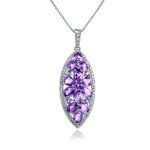 Amethyst Necklaces
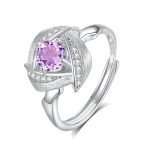 Amethyst Rings
 amethyst crystal healing
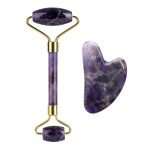 Amethyst Beauty & Wellness
 Crystal Home Decor
 Spiritual & Divination Tools