Birthstone Guide
February Birthstone Color: Why Is Amethyst Purple?
Amethyst is the February birthstone, and its color is purple — but not just one shade. Here’s what determines the color, how to read it, and how to pick the right purple for you.
When someone asks about the February birthstone color, the short answer is purple. But that one word covers a surprising range: from nearly transparent lilac to deep violet so dark it leans toward blue. The color is entirely natural — it comes from iron atoms trapped inside quartz millions of years ago, not from dye or treatment. Understanding where that purple comes from can help you choose a stone you’ll actually enjoy wearing or displaying.
What Color Is the February Birthstone?
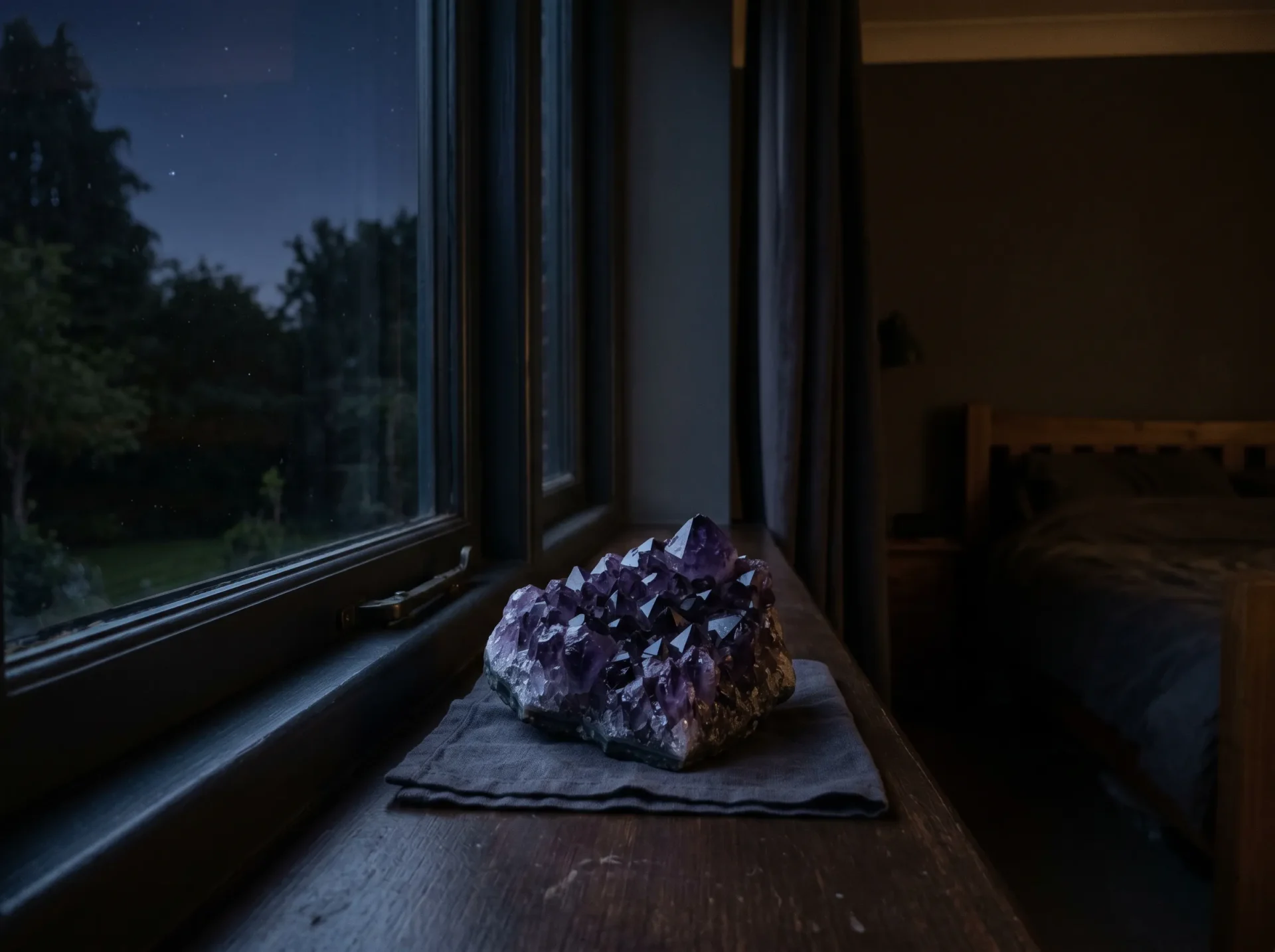
Amethyst is a variety of quartz (SiO₂) that displays purple coloring across a wide spectrum. Here’s what that actually looks like in practice:
- Pale lilac: Light, almost pinkish-purple. Common in some Brazilian material and popular for delicate jewelry settings.
- Medium violet: The “classic” amethyst purple most people picture — saturated enough to read clearly as purple, but not so dark it loses detail.
- Deep violet / emperor purple: The most prized shade. Dense, reddish-purple that can appear almost blue-black in certain light. Traditionally associated with the historical Siberian deposits, though similar depth is found in Uruguayan material today.
None of these shades are “wrong.” They’re all natural variations of the same mineral. The color wasn’t added — it grew there, over geological timescales, because of what was happening inside the earth at the time.
The Mineral Science: Why Is Amethyst Purple?
This is the part I find genuinely interesting, and it started for me during a GIA coursework unit I ended up reading twice in one evening.
Amethyst’s purple comes from iron — specifically Fe³⁺, or ferric iron — substituted into the quartz crystal lattice. On its own, iron in quartz doesn’t produce purple. What activates the color is natural gamma radiation from surrounding rock over millions of years. That radiation alters the electron structure around the iron atoms, creating what gemologists call color centers. These color centers absorb certain wavelengths of light and reflect purple back to your eye.
There’s something satisfying about that explanation. The purple isn’t random. It’s not decorative. It’s the result of a specific chemical event — iron present during crystal growth, then exposed to radiation over deep time. When I learned that Fe³⁺ had a real, measurable mechanism behind it, the stone stopped being mysterious and started being concrete. I like things I can explain.
You can read more about the broader meaning and uses of amethyst if you’re curious about traditions beyond the mineral science.
How Origin Affects Color: Brazil vs. Uruguay
If you’re shopping for amethyst and wondering why some pieces look pale and others look nearly black-purple, origin is usually the answer. The two main sources produce noticeably different colors.
Someone once asked me how to choose between Brazilian and Uruguayan amethyst. I asked her a question first: “Do you want something big, or something with the deepest color?” That’s usually the trade-off.
Neither origin is universally “better.” If you want a large geode for a living room shelf, Brazilian amethyst gives you size and visual presence at a reasonable price. If you want the deepest possible purple in a ring or pendant — the kind where someone across a table notices the color — Uruguayan material tends to deliver that.
You can explore how different origins translate into different crystal forms and shapes in our guide.
Choosing Your Purple: Color for Jewelry, Decor, and Ritual
The “right” purple depends entirely on what you’re doing with it.
For jewelry
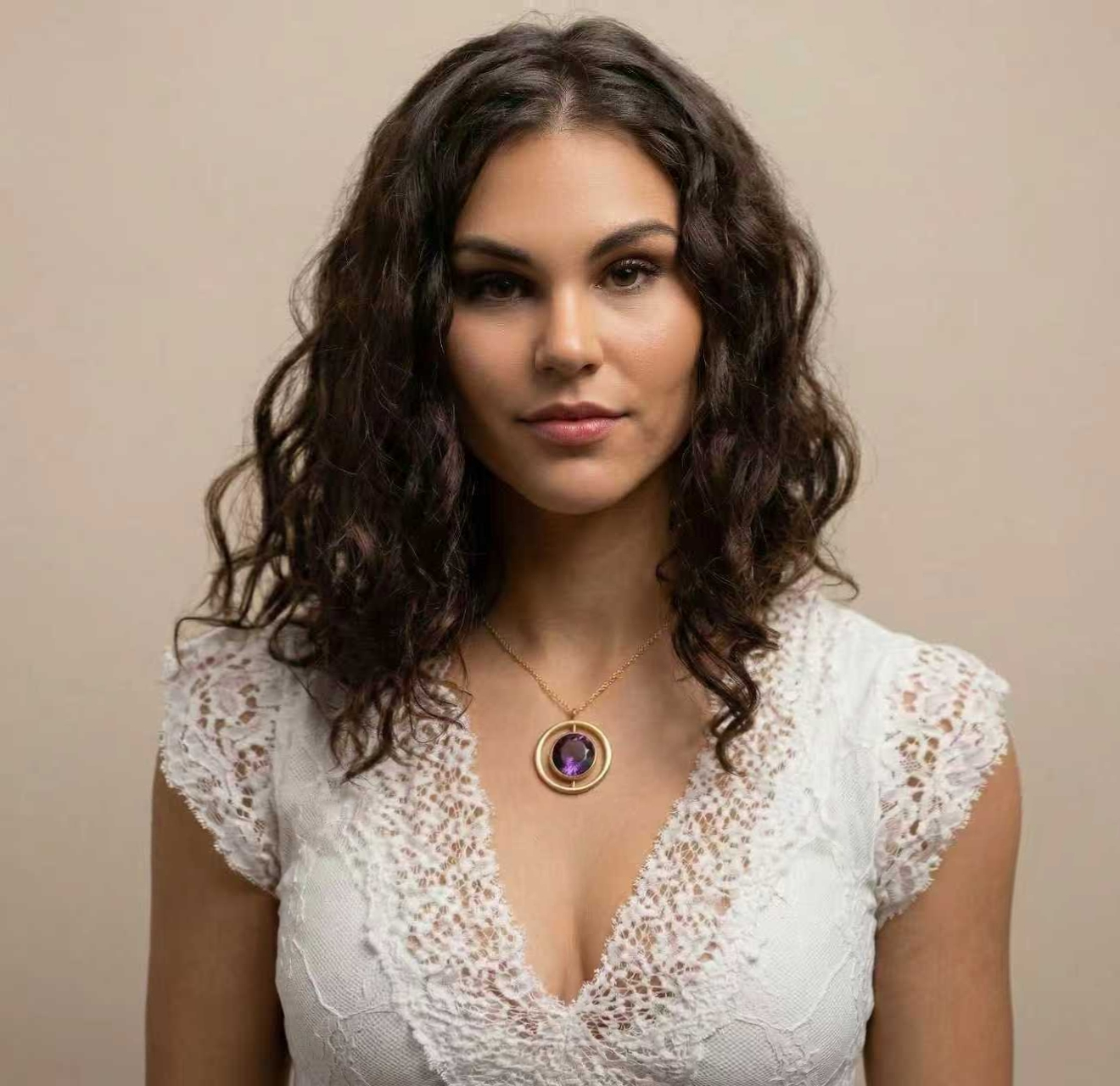
Lighter lavenders are versatile — they pair well with silver settings and most skin tones without competing with your outfit. Deeper purples make a more deliberate statement. In our amethyst jewelry collection, you’ll find both ends of the spectrum in 925 sterling silver settings with 100% natural amethyst.
For home decor
Deeper colors tend to hold up better visually in well-lit rooms, where the facets and crystal faces can catch light. Lighter amethyst works well in smaller spaces or alongside other soft-toned decor. If you’re choosing a geode or cluster, ask for a photo in natural light — what looks vivid under a showroom lamp may read differently on a sunny shelf.
For traditional practice
In some crystal traditions, deeper purple amethyst is associated with clarity and focused intention, while lighter shades are linked to calm and gentleness. These are traditional associations, not medical claims — but if meaning matters to you alongside color, it’s a reasonable framework for choosing. You can explore more about amethyst’s history and traditional uses if that angle interests you.
Frequently Asked Questions
Ready to Find Your Purple?
Browse our collection of documented-origin amethyst jewelry — from deep violet rings to lilac pendants, all in 925 sterling silver with 100% natural amethyst.
 Crystal Cluster
 Crystal Tower
 amethyst crystal ball
 Amethyst Caves for Sale
 Amethyst Bracelets
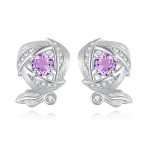 Amethyst Earrings
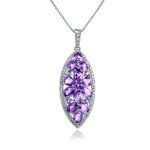 Amethyst Necklaces
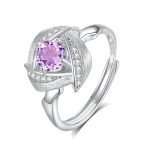 Amethyst Rings
 amethyst crystal healing
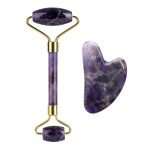 Amethyst Beauty & Wellness
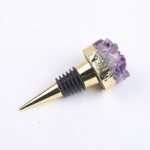 Crystal Home Decor
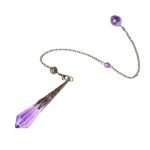 Spiritual & Divination Tools