Birthstone comparison
February Birthstone Alternatives: Amethyst Compared to Bloodstone and More
If you were born in February, you have more than one historical birthstone to consider. Here is how amethyst, bloodstone, and a few older options actually stack up.
Most jewelry stores will tell you amethyst is the February birthstone. That is true by modern convention, and it is the one you will find in almost every amethyst jewelry collection today. But if you have been searching for February birthstone alternatives, you may have come across bloodstone, jasper, or even hyacinth in older lists. The history is less tidy than the marketing suggests, and that is actually useful if you want to make a choice that fits you rather than fitting a tradition you never asked about.
The History Behind February’s Birthstones
The idea that each month has a dedicated birthstone is not as ancient as it sounds. The modern birthstone list that most of us recognize was standardized in 1912 by the National Association of Jewelers in the United States. On that list, amethyst claimed February. It made sense — amethyst had been associated with clarity, sobriety, and clear-headedness since at least the ancient Greeks, and the purple color was distinctive enough to market.
Before that standardization, though, the picture was messier. Historical lists from different cultures and centuries assigned different stones to the same months. Some older European traditions listed bloodstone — a dark green jasper with red spots — as a February birthstone, or as a stone associated with the apostles. The February birthstone history you find depends heavily on which century and which tradition you are looking at.
The birthstone list we know today is a commercial convention, not an ancient decree. That is not a bad thing — it means you have room to choose based on what actually resonates with you, rather than what someone decided for you in 1912.
The history of amethyst in feng shui and Western tradition is long and well-documented. Bloodstone’s February connection is narrower and less consistently recorded. If you are drawn to the older, less mainstream February birthstone old traditions, bloodstone is the main alternative worth knowing about. But understanding why amethyst won the modern standard helps you decide whether the historical alternative actually matters to you.
Amethyst vs. Other February Birthstones: A Practical Comparison
When people ask about February birthstone alternatives, they usually mean one of two things: they want to know if there is something different, or they want to know if amethyst is really the best option. Here is a direct comparison based on the properties that actually matter when you are choosing a stone.
Amethyst
Amethyst is a variety of quartz (SiO₂) colored by trace amounts of iron — specifically, Fe³⁺ ions that have been activated by natural radiation over millions of years. Its Mohs hardness is 7, which makes it durable enough for everyday jewelry. The color ranges from pale lavender to deep imperial purple, with the most saturated shades often coming from Uruguay. Brazilian amethyst tends to be larger and lighter, which makes it popular for decorative pieces and geodes.
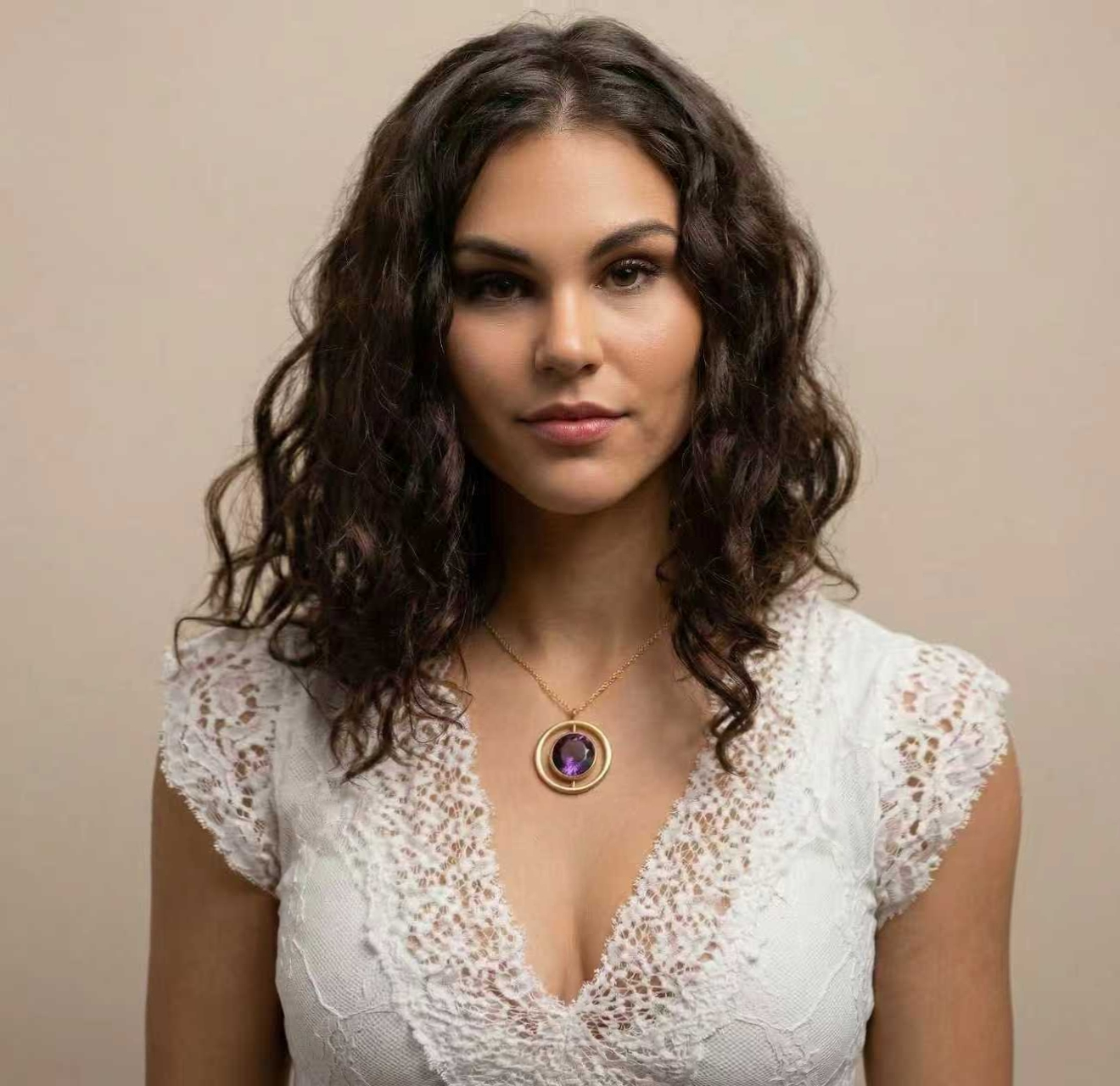
At Zerevia, we work with documented-origin amethyst from Brazil and Uruguay, and all our jewelry uses 100% natural amethyst set in 925 sterling silver — nickel-free, so no green fingers. The color depth, crystal density, and origin are noted on every piece, so you know what you are getting.
Bloodstone (Heliotrope)
Bloodstone is a variety of chalcedony — a different mineral family entirely from quartz. It is dark green with red or brown spots caused by iron oxide inclusions, which is where the name comes from. Its Mohs hardness is 6.5 to 7, fairly close to amethyst, but the appearance is completely different: opaque, dark, and earthy rather than translucent and purple.
In traditional use, bloodstone was associated with courage and vitality. Those are interesting symbolic associations, but they are not medical claims, and the gemological properties do not give it any measurable advantage over amethyst for everyday wear. Bloodstone is harder to find as fine jewelry and less commonly set in sterling silver or gold at the price points most buyers are looking for.
Other Historical Mentions
A few other stones appear in scattered historical birthstone lists for February — hyacinth (a form of zircon), garnet in some older traditions, and jasper in others. These are not widely recognized today, and finding verified specimens labeled as February birthstones is difficult. They are more useful as trivia than as practical alternatives.
The honest summary: amethyst is easier to find in well-made jewelry, better documented at most price points, and backed by a modern convention that most people recognize. Bloodstone has a quieter following and a different aesthetic — it appeals to people who want something less conspicuous and more earthy. Neither is objectively better. But if you are buying a February gift or looking for a piece you can wear daily in a recognizable gemstone, amethyst has fewer practical hurdles.
How to Choose the Right February Birthstone for You
Choosing between February birthstone alternatives comes down to a few concrete questions.
What is the use case?
If you want everyday jewelry — a ring you wear to work, a pendant that sits against your skin — amethyst is the more practical choice. It is set in 925 sterling silver (nickel-free), available in sizes that work for daily wear, and easy to care for as long as you keep it out of prolonged sunlight. If you want something for a crystal collection or a meditation practice, both amethyst and bloodstone work, but they serve different aesthetic roles: amethyst brings color and light, bloodstone is darker and more grounding in appearance.
How important is recognition?
If you are buying a gift and want the recipient to immediately understand what it is, amethyst reads as “February birthstone” to almost everyone. Bloodstone requires explanation. That is not a reason to avoid it, but it is worth knowing if you are choosing for someone else.
What draws you visually?
This matters more than people expect. If deep purple makes you pause — if you are the kind of person who notices violet light in a window — amethyst’s meaning and visual presence will likely resonate. If you prefer muted tones, earthy greens, and stones that do not announce themselves, bloodstone might be more your language.
What about personal symbolism?
Traditional associations for amethyst center on calm, clarity, and level-headedness. Bloodstone’s traditions lean toward courage and endurance. These are symbolic and personal — not medical claims and not guarantees. But if you are choosing a birthstone as a quiet personal reminder, the symbolism that matters is the one that speaks to you, not the one on a standardized list.
Caring for Your Amethyst: What You Need to Know
If you choose amethyst — whether as jewelry or as a display piece — a few care basics will keep it looking the way it did when you received it.
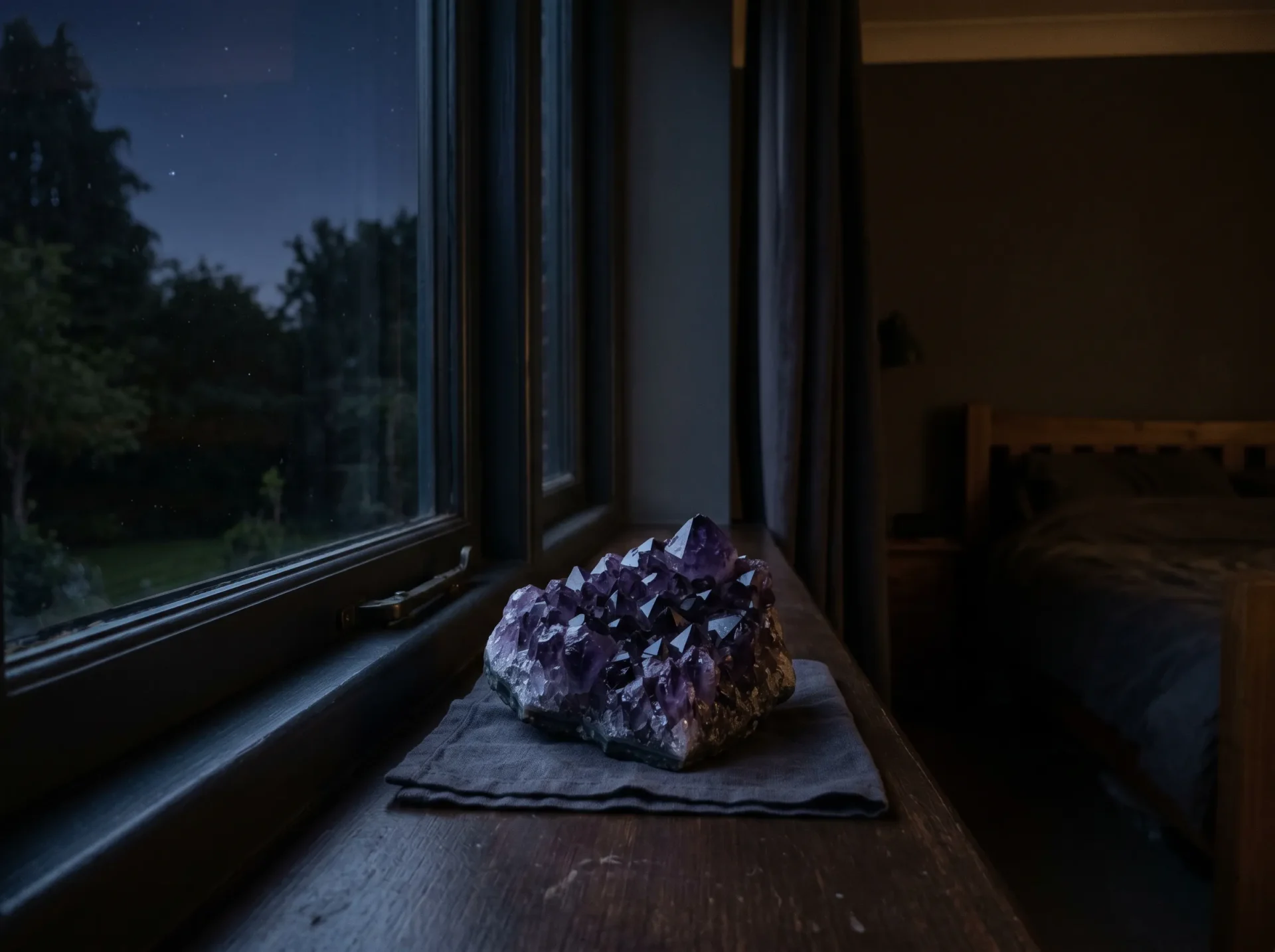
- Avoid direct sunlight. This is the most important one. UV exposure can permanently fade the purple color. Fe³⁺ ions in the quartz structure change under sustained UV light, and the fading is not reversible. A south-facing windowsill is the most common culprit. If you display amethyst on a shelf, choose a spot away from direct sun.
- Clean gently. Warm water and mild soap with a soft cloth is sufficient. Avoid ultrasonic cleaners and harsh chemicals, which can damage the surface or loosen settings in sterling silver jewelry.
- Store separately. At Mohs hardness 7, amethyst is durable but not indestructible. Harder stones — sapphire, diamond, topaz — can scratch it. Keep amethyst pieces in a soft pouch or a separate compartment.
- Remove during heavy activity. If you wear an amethyst ring, take it off before gardening, weightlifting, or cleaning with abrasive products. Sterling silver is softer than amethyst, and the setting takes more wear than the stone itself.
These are not complicated steps. Most of it comes down to one thing: keep amethyst away from prolonged direct sunlight. If you remember nothing else from this article, that is the rule that will preserve the color longest.
You can explore different amethyst forms and shapes to see which display options fit your space — from polished jewelry to raw clusters and geodes.
Frequently Asked Questions About February Birthstone Alternatives
Find Your February Birthstone
Whether you are drawn to deep imperial purple or exploring the history behind your birth month, the best choice is the one that feels specific to you. Browse our collection of documented-origin amethyst jewelry — every piece is photographed individually, so what you see is what arrives at your door.
 Crystal Cluster
 Crystal Tower
 amethyst crystal ball
 Amethyst Caves for Sale
 Amethyst Bracelets
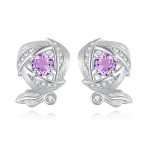 Amethyst Earrings
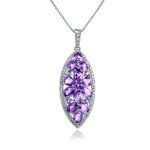 Amethyst Necklaces
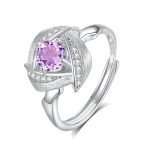 Amethyst Rings
 amethyst crystal healing
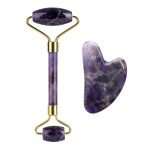 Amethyst Beauty & Wellness
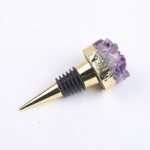 Crystal Home Decor
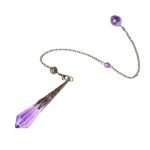 Spiritual & Divination Tools