Chevron Amethyst Spiritual Meaning: Tradition & Buying Guide
Chevron Amethyst Spiritual Meaning: What Tradition Says and How to Choose Your Piece
If you’ve been searching for chevron amethyst spiritual meaning, you’re likely holding a piece—or browsing one online—and wondering what makes this banded purple-and-white stone different from any other amethyst on the shelf. The short answer: it’s the pattern. The longer answer involves chemistry, centuries of cultural tradition, and a surprisingly practical set of buying criteria that have nothing to do with whether a stone is “meant for you.”
This guide walks through the traditional spiritual symbolism attached to chevron amethyst, compares it to other color variations (pink, black, red, trapiche), and ends with concrete advice for choosing a piece you’ll actually keep on your nightstand for more than a week.
What Is the Spiritual Meaning of Amethyst? A Grounded Starting Point.
Before we get to the chevron pattern specifically, it helps to know what amethyst actually is—because the mineral’s identity is more interesting than most marketing copy lets on.
Amethyst is a variety of quartz (SiO₂) that gets its purple color from trace amounts of iron—specifically Fe³⁺, or trivalent iron ions—locked inside the crystal lattice. Natural background radiation activates these iron atoms over millions of years, and the result is purple. Not painted on, not dipped in dye. Grown in, over geologic time. It ranks 7 on the Mohs hardness scale, which means it’s hard enough to scratch glass and durable enough for daily-wear jewelry.
I remember the first time I read that in my GIA coursework. I’d been studying color mechanisms for a few weeks, mostly out of curiosity—this was after I’d already bought a few pieces and wanted to understand what I was looking at. The Fe³⁺ chapter was the one that made me stop and reread. There was something grounding about it: a real chemical explanation for why this stone is purple, instead of some vague story about what it “wants” to be.
The spiritual meaning of amethyst crystal, as most Western and Eastern traditions describe it, centers on calm, clarity, and a kind of steady inner quiet. The ancient Greeks called it amethystos—”not intoxicated”—and wore it believing it would keep them clearheaded. In Hindu tradition, amethyst is linked to the brow chakra (Ajna) and crown chakra (Sahasrara), associated with intuition and awareness. Medieval European soldiers carried it as a protective talisman.
These are cultural traditions and personal rituals. They are not medical claims, and no crystal—amethyst or otherwise—has been clinically proven to cure anxiety, insomnia, or any health condition. If you’re drawn to the stone, the “why” matters less than what you do with that draw. Some people use it as a meditation focus. Some put it on a shelf because the color makes a room feel quieter. Both are valid.
For a deeper dive into the mineralogy and the cultural history side by side, see our guide on amethyst healing properties.
Chevron Amethyst: What the Pattern Symbolizes in Tradition
Chevron amethyst—sometimes called banded amethyst or dogtooth amethyst—is a natural formation where layers of white quartz and purple amethyst stack in distinct V-shaped or chevron-shaped bands. If you’ve seen one, you know the pattern: it looks almost like a cross-section of geological history, alternating white and purple in sharp angular lines.
In crystal practice, the chevron amethyst meaning spiritual tradition assigns specific symbolism to that banding. The white quartz layers are interpreted as representing the physical, grounding aspects of experience. The purple amethyst layers represent the intuitive, contemplative side. The V-shaped pattern itself is read as a visual path—moving from the concrete (white) toward the inner (purple), layer by layer.
Traditional associations for chevron amethyst include:
- Enhanced inner vision during meditation or quiet reflection
- Clarity when facing layered or complex decisions
- A visual reminder of the “bigger picture”—the idea that there are many layers to any situation
The amethyst chevron spiritual meaning is essentially a visual interpretation of a natural geological formation. The stone didn’t form its pattern to send you a message; it formed because of how quartz and amethyst crystallized under specific pressure and temperature conditions over time. But in the tradition of crystal practice, people have long projected meaning onto natural patterns—and the chevron’s layered structure lends itself to interpretation more readily than, say, a uniform purple point.
Whether that interpretation resonates with you is a personal question. What I can tell you from a practical standpoint is that chevron amethyst tends to make a strong visual impression, which is one reason people choose it as a meditation focus: it gives your eyes something specific to rest on.
Beyond Chevron: Spiritual Meanings Assigned to Other Amethyst Colors
One of the things I learned early in my amethyst study is that “amethyst” is not a single thing. Color varies enormously depending on trace elements, growth conditions, and what else is in the crystal. Each variation carries its own set of traditional meanings. Here’s a practical overview.
Pink Amethyst Spiritual Meaning
Pink amethyst is a relatively recent entry to the market. Its color is typically attributed to trace amounts of hematite or other iron-oxide inclusions within the quartz structure, though exact mechanisms can vary by deposit. In traditional crystal practice, pink amethyst is associated with gentle emotional openness, heart-centered awareness, and compassion—not as a medical treatment, but as a symbolic association some people choose to center their intention-setting around.
Black Amethyst Spiritual Meaning
True “black” amethyst is rare. What’s usually sold under this label is extremely dark purple amethyst—sometimes so deep in color it reads as black under normal lighting—or amethyst with heavy hematite or goethite inclusions that darken its appearance. In tradition, black or very dark amethyst is associated with deep protection, grounding, and the idea of absorbing or shielding against negativity. These are symbolic frameworks, not physical properties. If your piece is genuinely very dark, it may simply have a high concentration of iron-based inclusions.
Trapiche Amethyst Spiritual Meaning
Trapiche amethyst is one of the more visually striking formations you’ll encounter. It displays a six-rayed star or spoke pattern radiating from a central core—created by alternating sectors of amethyst and white quartz or other mineral impurities during growth. It’s uncommon, and in crystal tradition, the trapiche pattern is interpreted as radiating energy outward, symbolizing spiritual growth and connection. The rarity of the formation adds to its perceived significance, but the pattern itself is a result of specific crystal growth geometry, not a mystical source.
Red Amethyst Spiritual Meaning
Red amethyst typically refers to amethyst that contains visible hematite inclusions—iron oxide that adds reddish or rust-colored layers or flecks to the purple. In traditional practice, red amethyst is seen as blending amethyst’s association with clarity and calm with hematite’s association with grounding and focus. Some practitioners choose it when they want a stone that symbolizes balanced passion—neither detached nor overstimulated.
Purple Amethyst Meaning Spiritual (General)
Standard purple amethyst—the most common form—carries the broadest set of traditional associations: calm, intuition, spiritual awareness, and clarity of thought. It’s the baseline against which all the other variations are compared. If you’re new to amethyst and drawn to the classic purple, there’s nothing wrong with starting with the most straightforward option. You can learn more about how form and shape affect use in our amethyst forms and shapes guide.
A Practical Buying Guide: Choosing Amethyst by Meaning and Use Case
Spiritual meaning is one lens for choosing a stone. But it’s not the only one, and arguably not the most useful one when you’re standing in front of a display (or scrolling through product photos) trying to make a decision. Here’s how I think about it.
Match Form to Intention
Different forms serve different practical purposes, and the traditional meanings often align with those purposes naturally:
- Chevron pieces work well as meditation focal points—the banding gives your eyes a specific place to rest.
- Clusters are chosen for shared spaces (living rooms, offices) where the visual presence matters as much as the symbolic meaning.
- Points and towers are used in intention-setting rituals—the pointed shape is traditionally associated with directing focus.
- Tumbled stones are portable and personal; they fit in a pocket or sit on a nightstand.
Match Origin to Priority
This is where my own learning curve got interesting. When I started asking sellers about origin—Brazil versus Uruguay—the answers varied wildly, and some sellers simply didn’t know. Here’s what I’ve found to be generally true:
- Brazilian amethyst tends to come in larger formations with a wider color range, from lavender to medium purple. It’s often the more affordable option for a given size. If you want a substantial visual presence without a steep price, this is usually where to look.
- Uruguayan amethyst is typically smaller but denser in both crystal structure and color depth. The deepest, most saturated purples—the ones sometimes called emperor purple—often come from Uruguayan deposits.
Neither is inherently “better.” It depends on what you’re prioritizing: size and value, or color saturation. For a detailed comparison, see our guide to amethyst geological origins.
Look for Accurate Photos and Natural Variation
A few markers that help you judge what you’re actually buying:
- Color zoning—natural unevenness in the purple distribution—is a sign of a genuine stone. Perfectly uniform purple throughout can indicate synthetic material or dye treatment.
- Inclusions (feathery internal patterns, mineral flecks) are natural features, not defects. They’re part of what makes each piece one-of-a-kind.
- Weight: Real quartz is noticeably heavier than glass or plastic of the same size. If you can hold the piece, this is the fastest sanity check.
- Temperature: Genuine stone feels cool against your skin for the first few seconds, then warms gradually. Glass also feels cool, but it warms more uniformly and quickly.
For a full breakdown of quality markers, our amethyst quality and value guide covers what to look for and what to ignore.
Caring for Your Amethyst: Preserving Both Color and Tradition
If you choose a piece because of what its color means to you—whether that’s the purple of intuition, the pink of emotional warmth, or the deep violet of something harder to name—then preserving that color is part of caring for the stone.
The single most important care rule: keep amethyst out of direct sunlight.
I learned this the hard way—not on my own stone, thankfully, but through a buyer’s experience. She’d placed a deep purple crystal point on her bedroom windowsill. South-facing window, direct afternoon sun for about two hours a day. Within a few months, the color had lightened from a rich emperor purple to something closer to lavender. That color change is irreversible.
What’s happening at the molecular level: sustained UV exposure causes the Fe³⁺ ions responsible for the purple to undergo a reduction process. The iron changes state, the color fades, and it doesn’t come back. This isn’t a spiritual event—it’s photochemistry—but if you’ve chosen your stone for its visual presence and symbolic meaning, the result is the same: something important is lost.
Safe care practices:
- Display placement: Away from windows where sunlight hits directly. A bookshelf, desk corner, or bedside table away from the window works well.
- Cleansing rituals: In traditional practice, many people like to “cleanse” their stones periodically. The safest methods are moonlight (place the piece on a windowsill during a full moon) or sound (a singing bowl placed nearby). These don’t damage the stone and can serve as a grounding ritual for the person using them.
- Physical care: Amethyst is durable at Mohs 7, but it can chip if knocked against harder surfaces. Avoid harsh chemicals. A soft cloth with lukewarm water is sufficient for cleaning.
For a more detailed look at meanings and practices related to amethyst meaning and uses, including how different traditions approach the stone, that guide covers the broader context.
Frequently Asked Questions About Amethyst Spiritual Meaning
What is the spiritual meaning of chevron amethyst?
In traditional crystal practice, the chevron amethyst meaning spiritual interpretation centers on its V-shaped banding. The white quartz layers are associated with the physical and grounding, while the purple amethyst layers represent the intuitive and contemplative. The chevron pattern is read as a path from the concrete toward the inner—a layered journey toward clarity. This is a cultural association and a visual interpretation of a natural formation, not a scientifically verified property.
Why is my amethyst turning black, and what does it mean spiritually?
Physically, color darkening in amethyst is usually caused by prolonged exposure to light or heat, which can alter the iron compounds in the stone. In some cases, very dark patches develop where inclusions oxidize. In traditional practice, some people interpret color changes as the stone “absorbing” or reflecting its environment—but the practical first step is to check your care conditions. If the piece is in direct sunlight or near a heat source, move it. If the darkening seems unrelated to environment, it may be a natural inclusion becoming more visible over time. Either way, the spiritual meaning you assign to it is your own framework.
What is the difference in meaning between pink and purple amethyst?
In traditional association, pink amethyst is linked to gentle emotional openness and heart-centered energy—a softer, more inward-facing symbolism. Purple amethyst is associated with calm intuition and broader spiritual awareness. Neither meaning is “correct” in any scientific sense; these are labels that crystal practitioners and traditions have assigned based on color symbolism. Choose the one that aligns with what you’re looking for—or simply the color you prefer looking at.
How do I choose an amethyst for its spiritual meaning?
Start with the form that matches your intended use: chevron for focused meditation, clusters for shared spaces, points for intention-setting, tumbled stones for portability. Then consider origin if color depth matters to you (Uruguayan for saturation, Brazilian for size and value). Finally, look at the actual piece—check for natural color zoning, ask about accurate photography, and pick the stone that holds your attention. The “right” amethyst is the one you’ll actually use, not the one with the most impressive-sounding description.
 Crystal Cluster
 Crystal Tower
 amethyst crystal ball
 Amethyst Caves for Sale
 Amethyst Bracelets
 Amethyst Earrings
 Amethyst Necklaces
 Amethyst Rings
 amethyst crystal healing
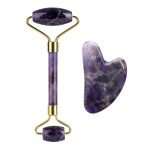 Amethyst Beauty & Wellness
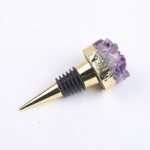 Crystal Home Decor
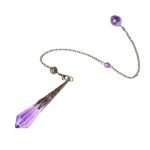 Spiritual & Divination Tools