Zerevia buying guide
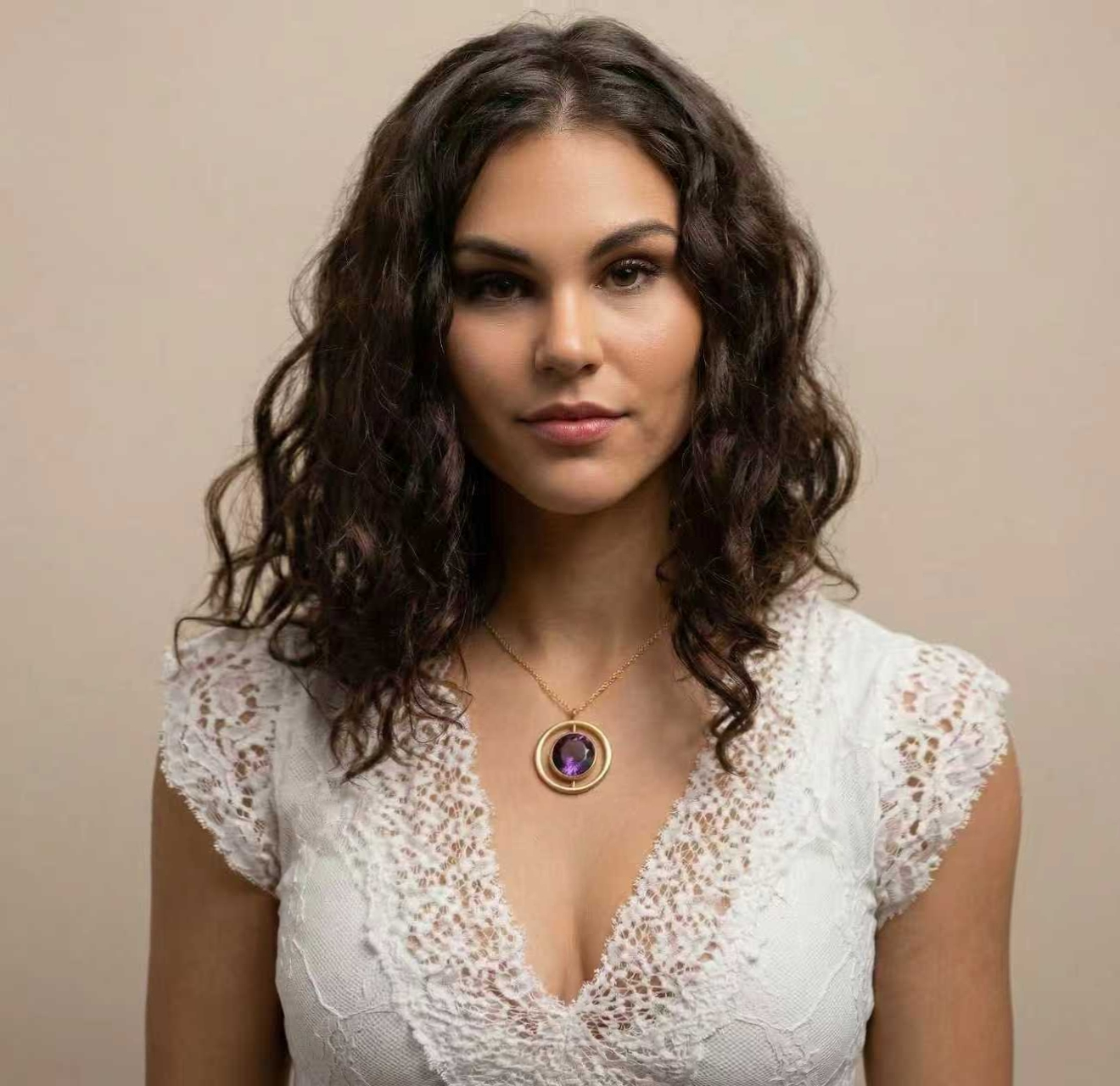
Amethyst Pendant Necklaces: A Complete Buying Guide for Styles, Metals, and How to Choose
Everything you need to know before choosing an amethyst pendant necklace — from cut and metal to daily wear, care, and gift-giving — so you can pick a piece you actually want to reach for every morning.
Shopping for amethyst pendant necklaces sounds simple until you start looking. Suddenly there are cabochons and faceted cuts, sterling silver and gold vermeil, raw crystal points and polished ovals — and every listing promises something slightly different about quality, origin, or meaning. If you have ever stared at three nearly identical pendants and felt stuck, this guide is for you.
I started paying attention to amethyst because of a $12 stone that was not particularly beautiful. The color was on the lighter side, the matrix rock looked a bit gray, and the handwritten tag said amethyst — for calm nights. I bought it because I was sleeping badly and the price was low enough that it did not matter if it turned out to be nonsense. That stone is still on my nightstand. It did not solve anything, but it started something — a pattern of asking specific questions about what I was actually holding.
The same questions matter more when you are wearing the stone against your skin all day. You want to know it is real, that the metal will not turn your finger green, and that the color will still be there six months from now. This guide walks through each of those decisions, step by step.
Why Amethyst Pendant Necklaces Make a Meaningful Choice
Before you compare styles or metals, it helps to know what you are actually choosing. Amethyst is a variety of quartz (SiO₂) with a Mohs hardness of 7 — hard enough for daily wear, though not indestructible. The purple color comes from trace amounts of Fe³⁺ (three-valent iron) in the crystal lattice, activated by natural radiation over millions of years. This is not a coating or a dye; the color lives inside the structure of the stone.
For a lot of people, the appeal runs deeper than geology. In traditional and spiritual frameworks, amethyst is associated with the third eye and crown chakras, and many buyers describe it as part of a quiet evening ritual — a few seconds of looking at the stone before bed instead of scrolling a phone. That is not a medical claim. It is a pattern I have heard from enough buyers to take seriously as a use case.
What makes amethyst pendant necklaces stand out:
- Natural color mechanism: The purple comes from iron ions and natural radiation, not artificial treatment. It is a real mineral with a measurable composition.
- February birthstone: Amethyst is the traditional birthstone for February, which makes it a specific, personal gift rather than a generic one.
- Durability for daily wear: At Mohs 7, amethyst handles everyday use well, though it can scratch softer materials and be scratched by harder ones.
- Color range: From pale lavender to deep emperor purple, there is a shade for almost every taste and budget.
The main concerns I hear from first-time buyers are almost always the same three: is it real, will the metal irritate my skin, and how do I even pick a style. We will take them one at a time.
Exploring Amethyst Pendant Styles: From Raw to Refined
The style of a pendant changes how it sits on your skin, how it catches light, and how it fits into your wardrobe. Here are the main categories you will encounter when shopping for amethyst pendant necklaces:
Cabochon Cuts
A cabochon is a smooth, polished dome with a flat back. It shows off the stone’s color saturation and any natural inclusions — those internal feather-like patterns that prove the stone formed underground over geological time. Cabochons have a quiet, soft look that works well with both casual and professional outfits. They sit close to the skin and rarely catch on clothing.
Faceted Cuts
Faceted pendants have flat, angled surfaces cut into the stone to reflect light. They produce more sparkle than cabochons and tend to look more like traditional jewelry. The trade-off is that faceting can make color zoning more visible — lighter and darker areas become more apparent under direct light. This is a feature, not a flaw; it is one of the ways you can tell the stone is natural.
Raw Crystal Point Pendants
These leave the amethyst in something close to its natural form, usually a single terminated point set with a wire wrap or minimal metal cap. They have a distinctly different energy from polished pieces — less jewelry, more small specimen you happen to wear. If you like the idea of carrying something that looks like it came out of the ground, this is your category.
Setting Types and Why They Matter
If you want to go deeper on how crystal forms translate into jewelry shapes, our forms and shapes guide covers the raw material side — geodes, clusters, points, and slices — which helps explain why a faceted oval and a raw point can look so different even though they are the same mineral.
Choosing the Right Metal for Your Amethyst Pendant
The metal setting affects everything from comfort to longevity to whether your skin turns green after a week. Here is a practical breakdown:
Sterling Silver 925
This is the most common metal for amethyst pendant necklaces, and for good reason. Sterling silver 925 contains 92.5% pure silver and 7.5% copper alloy, stamped with a “925” mark. It is nickel-free, which means it is unlikely to cause the allergic reactions or green-finger discoloration that cheaper base metals produce. It has a cool, bright tone that pairs naturally with purple stones.
Care note: Sterling silver tarnishes over time when exposed to air and moisture. A soft polishing cloth brings back the shine. Store it in an anti-tarnish pouch or a sealed bag when you are not wearing it.
Gold Options
Gold vermeil (a thick gold layer over sterling silver) and solid gold (14k or 18k) offer a warmer look. Solid gold is more durable and does not tarnish, but it comes at a higher price point. Vermeil gives you the gold appearance at a lower cost, though the plating will wear over time, especially on high-contact areas like the bail.
How to Verify What You Are Getting
Here are the practical checks I rely on, adapted from real-world stone assessment:
- Look for stamps: A “925” stamp on the clasp or bail indicates sterling silver. “14k” or “18k” indicates gold purity. Absence of a stamp is a red flag.
- Check the weight: Real sterling silver and gold have a satisfying heft. If the pendant feels unusually light, the metal content may be lower than advertised.
- Ask about nickel: If the listing does not specify nickel-free, ask. This matters especially if you have a history of skin reactions to jewelry.
For a deeper look at evaluating stone and metal quality together, our quality and value guide covers what to look for beyond surface appearance.
How to Match Your Amethyst Pendant to Your Lifestyle
The right amethyst pendant necklace is not just the prettiest one — it is the one that fits how you actually live. Here is how to narrow it down:
Daily Wear vs. Occasional Pieces
If you plan to wear your pendant every day, prioritize a bezel setting (protects the stone), a medium-sized stone (less likely to catch or bang against things), and a chain length that works with your usual neckline — typically 16 to 18 inches for most people. If this is a special-occasion piece, you have more room to go larger, bolder, or more delicate in construction.
Gift Buying: The February Birthstone Advantage
Amethyst is the traditional birthstone for February. This makes an amethyst pendant necklace a specific, personal gift for anyone born that month — not a generic “nice jewelry” gesture but something with a reason behind it. In traditional frameworks, amethyst is also associated with calm, clarity, and quiet focus, which gives the gift a layer of intention without requiring the recipient to subscribe to any particular belief system.
Someone once asked me, “You really think stones do something?” I said, “I think real things have value.” That is not the same as claiming a pendant will fix your anxiety. But there is something to the act of choosing a specific stone, learning where it came from, and putting it on with a small moment of attention. That is a ritual, and rituals do not need to be mystical to matter.
Practical Decision Checklist
- Size: Do you want something visible from a few feet away, or a quiet piece close to your collarbone?
- Weight: Heavier pendants need sturdier chains. A large stone on a thin chain will pull and may break.
- Chain length: 16″ sits at the collarbone, 18″ falls a few inches below. Measure with a string if you are unsure.
- Color depth: Deeper purple (more common in Uruguayan stones) costs more but has more visual presence. Lighter lavender tones are subtler and often more affordable.
- Occasion: Is this for yourself, or a gift? If a gift, a meaning card and gift box add thoughtfulness without adding cost.
Browse our amethyst necklace collection to compare styles, sizes, and metals side by side.
Care Tips to Keep Your Amethyst Pendant Looking Its Best
Amethyst is durable enough for daily wear, but there is one thing that can permanently change it: ultraviolet light.
Daily and Long-Term Care
- Avoid direct sunlight: Do not leave your pendant on a windowsill, car dashboard, or sunny shelf. UV fades amethyst permanently.
- Clean gently: Use lukewarm water, a drop of mild soap, and a soft cloth. Avoid ultrasonic cleaners and harsh chemicals — they can damage both the stone and the metal setting.
- Store separately: Amethyst has a Mohs hardness of 7, which means it can scratch softer stones (like opal or moonstone) and be scratched by harder ones (like sapphire or diamond). A soft pouch or lined jewelry box prevents accidental damage.
- Remove before swimming or showering: Chlorine, salt water, and prolonged moisture exposure can tarnish silver and weaken some settings over time.
- Check the setting periodically: Prong settings in particular can loosen with wear. A quick visual check every few weeks — does the stone wiggle? — prevents loss.
For more on where your amethyst comes from and how origin affects color and character, see our guide to amethyst geological origins.
Frequently Asked Questions
Ready to Find Your Amethyst Pendant?
Browse our collection of amethyst pendant necklaces — each piece photographed individually, with documented origin, 925 sterling silver or solid gold settings, and clear care instructions so you know exactly what you are getting.
 Crystal Cluster
 Crystal Tower
 amethyst crystal ball
 Amethyst Caves for Sale
 Amethyst Bracelets
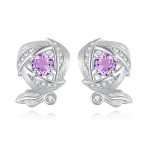 Amethyst Earrings
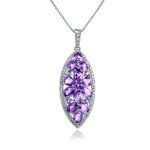 Amethyst Necklaces
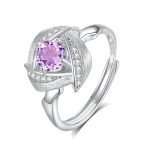 Amethyst Rings
 amethyst crystal healing
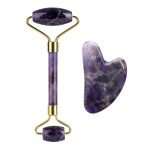 Amethyst Beauty & Wellness
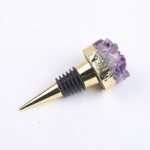 Crystal Home Decor
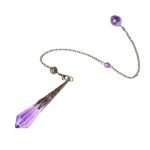 Spiritual & Divination Tools