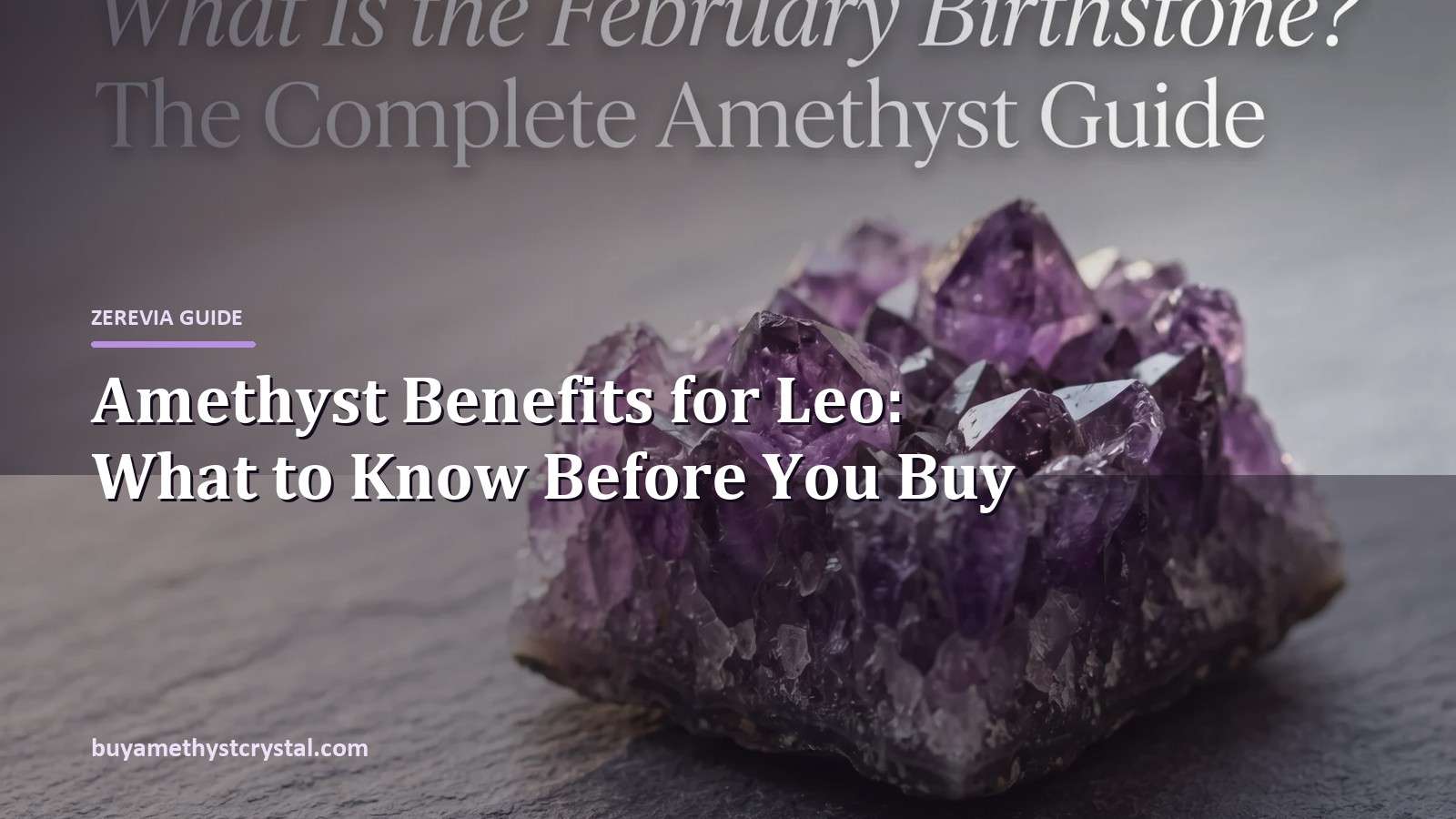

Amethyst Benefits for Leo: What to Know Before You Buy
You searched for amethyst benefits for Leo, and you deserve a straightforward answer before you spend anything. So here it is: amethyst is not Leo’s traditional birthstone. That title belongs to peridot and ruby. But that doesn’t mean amethyst has nothing to offer someone born under the lion’s sign—it just means the connection works differently than a birth chart might suggest.
In many modern crystal traditions, people choose stones based on personal resonance, desired qualities, and aesthetic preference rather than strict astrological prescription. If you’re a Leo drawn to deep purple, or shopping for one, this guide will help you understand what amethyst actually is, why some people connect it with Leo traits, and how to choose a piece that makes sense for your life.
Let’s start with what’s real.
The Straightforward Truth: Amethyst Isn’t Leo’s Traditional Birthstone
Amethyst is the official February birthstone. Leo season runs from late July through late August, which puts it nowhere near amethyst on the traditional birthstone calendar. If you’re looking for a stone with a direct, historically documented birthstone link to Leo, peridot and ruby are the ones.
But here’s where it gets interesting. In some contemporary crystal practices, stones are chosen not by birth month but by the qualities a person wants to cultivate—or the qualities they already have and want to reinforce. Under this framework, amethyst’s traditional associations with clarity, calm focus, and inner steadiness can appeal to people of any sign, including Leo.
The “benefit,” in other words, isn’t prescribed by a chart. It’s personal. It comes down to whether the stone feels meaningful to you, whether that meaning comes from its color, its history, its geology, or simply the fact that someone you care about chose it for you with intention.
That’s a more honest starting point than claiming amethyst is “Leo’s stone.” It isn’t. But it might be your stone, and that distinction matters.
What Amethyst Is: The Stone’s Documented Properties
Before getting into any symbolic or traditional connections, it helps to know what you’re actually holding. The amethyst gem benefits people talk about online often blur the line between verified material facts and spiritual interpretation. Let’s separate them.
Amethyst is a variety of quartz—silicon dioxide (SiO₂)—that registers a 7 on the Mohs hardness scale. That means it can scratch glass and steel, which is a practical detail if you’re wearing it daily or placing it on a shelf where things get moved around.
The purple color comes from trace amounts of iron (Fe³⁺) in the quartz crystal structure. During the stone’s formation deep in the earth, natural background radiation activates those iron atoms, producing the violet-to-deep-purple color you see. This isn’t something that was added or treated—the color grew into the crystal over millions of years.
I remember reading about this in my GIA coursework and feeling something close to relief. There was a real, chemical reason this stone was purple. Not a vague mystical claim—just iron and time and radiation doing what they do. That kind of specificity appeals to me, and if you’re the sort of person who wants to understand what they’re holding, it matters.
Two other verified facts worth knowing: first, amethyst’s color can fade permanently under prolonged ultraviolet light exposure. This isn’t theoretical—I’ve seen it happen. A buyer once wrote to say her crystal point had turned from deep emperor purple to a washed-out lavender after sitting on a south-facing windowsill for months. The Fe³⁺ ions had been reduced by UV, and the color change was irreversible. So if you care about your stone, keep it out of direct sunlight.
Second, documented origin affects what you’ll get. Brazilian amethyst, particularly from the Ametista do Sul region, tends toward larger formations and a wider range of purple tones, from soft lavender to medium violet. It’s generally more accessible in price. Uruguayan amethyst typically has finer crystal structure and deeper color saturation—some pieces reach that near-blue “emperor purple” that’s hard to find elsewhere. You can read more in our guide to amethyst geological origins and our amethyst quality and value guide.
These are the amethyst gem benefits grounded in geology: durable, naturally colored, traceable to specific regions. Everything after this point enters the territory of tradition, symbolism, and personal meaning.
Why People Connect Amethyst with Leo Traits
Leo, in astrological tradition, is a fire sign ruled by the sun. People describe Leo energy as confident, warm, creative, and drawn to leadership. Whether or not you take astrology literally, these are recognizable personality patterns, and some crystal practitioners choose stones to complement or balance them.
Under this framework, the connection between amethyst and Leo typically runs in two directions:
As a counterbalance. Leos are associated with boldness, extroversion, and a certain theatrical intensity. In some traditions, amethyst is linked to mental clarity, measured judgment, and what older texts called “sobriety of thought”—not sobriety from alcohol, but clarity and restraint in decision-making. People sometimes choose amethyst for Leo not to suppress that fire, but to give it a quieter anchor. The idea is that a stone associated with calm focus might complement a temperament that’s naturally high-energy.
As a resonance. Purple has long been associated with royalty, nobility, and authority. Leo is traditionally the sign of the lion—the king, the leader, the one who commands a room. In this reading, amethyst’s deep purple doesn’t counterbalance Leo energy; it amplifies the regal dimension of it. Some people also connect amethyst with matters of the heart—not as a medical treatment for love problems, but as a traditional symbol of loyalty, devotion, and emotional honesty, qualities that many Leos value deeply in their relationships.
The amethyst stone benefits for love that people discuss online usually fall into this category of traditional symbolism. Historically, amethyst was carried or worn as a token of faithful love and clear intention. Whether that “works” is not something I can verify or promise. What I can say is that holding a piece of real, documented-origin amethyst can serve as a physical reminder of what you’ve decided to pay attention to—and sometimes that reminder is the benefit itself.
This is a personal ritual, not a guaranteed outcome. The stone doesn’t change your personality or your luck. But the act of choosing it with care, placing it somewhere meaningful, or wearing it as a daily touchstone—that’s real, and it’s within your control.
Choosing an Amethyst Piece for a Leo
Now for the practical part. If you’re buying amethyst for someone with Leo tendencies—or for yourself—the best piece depends on how you plan to use it. Here’s a framework based on common use cases, with attention to what amethyst birthstone benefits might look like in a gift context (since amethyst is February’s official birthstone, it carries that particular significance for February-born Leos or anyone who simply connects with the stone).
For a bold visual statement
Leo energy often gravitates toward the dramatic. A Brazilian geode or large cluster satisfies that impulse—you’re getting a natural formation that commands attention in a room. Brazilian amethyst tends to offer larger sizes at accessible price points, with color ranging from soft violet to rich purple. If you want something with deeper, more saturated color, look toward Uruguayan pieces. The crystals are smaller and denser, but that deep purple is unmistakable.
For more options on display-ready formations, see our amethyst forms and shapes guide.
For a wearable ritual
Jewelry makes the stone portable. A pendant, ring, or pair of earrings set in 925 sterling silver with 100% natural amethyst gives you something you can touch throughout the day. For Leo, who often likes to carry their identity visibly, this can feel like wearing a quiet intention. Sterling silver is nickel-free and generally doesn’t cause the green-finger reaction that cheaper metals do, which is a practical detail worth knowing.
For a desk or nightstand companion
A polished amethyst tower, obelisk, or palm stone works well as a tactile focus object. These are the pieces you pick up when you need a moment to regroup. They’re small enough to hold, solid enough to feel grounding, and they don’t require any special setup—just a spot where you’ll see them.
If you’re curious about rutilated quartz, which contains visible needle-like inclusions of rutile within amethyst, that’s a rarer variety with its own aesthetic appeal. It’s not common in standard amethyst collections, but some collectors seek it out for the visual contrast.
Regardless of the form you choose, look for sellers who show accurate photography of the exact piece you’ll receive. WYSIWYG—”what you see is what you get”—means the photo on the listing is of the specific item, not a stock image. This matters more than almost any other buying factor, because natural amethyst varies enormously from piece to piece in color depth, clarity, and shape.
Keeping Amethyst in Good Condition: Care Basics
Whether you’re a Leo, an Aquarius, or someone who doesn’t follow astrology at all, the amethyst stone benefits for Aquarius, Leo, or any other sign only matter if the stone stays in good shape. Care is the unglamorous part of crystal ownership, but it’s where real knowledge shows.
The single most important rule: avoid prolonged direct sunlight. UV radiation causes the Fe³⁺ ions in amethyst to undergo an irreversible chemical change—the purple fades. A few hours won’t ruin a stone, but weeks or months of daily sun exposure will. I learned this the hard way through a buyer’s experience, and I’ve included this warning in every care note since. Find a spot with indirect or ambient light, and your stone’s color will hold for years.
For cleansing—the practice of resetting or refreshing a stone’s energy, as some traditions describe it—moonlight is the safest method. Place your amethyst on a windowsill on a clear night, let it sit overnight, and retrieve it in the morning. Sound cleansing with a singing bowl is another gentle option that doesn’t involve any physical contact with liquids or chemicals.
In terms of durability, Mohs 7 is hard enough for everyday wear and display, but it’s not indestructible. Amethyst can chip if knocked against harder materials, and it can scratch softer stones if stored together. Keep it in a separate pouch or compartment, especially if you’re traveling.
For a complete breakdown of safe cleansing methods and storage tips, see our full amethyst care and cleansing guide.
Frequently Asked Questions
Is amethyst really a birthstone for Leo?
No. Amethyst is the official birthstone for February. Leo’s traditional birthstones are peridot and ruby. However, many people choose crystals based on personal resonance, desired qualities, or aesthetic preference rather than strictly following the birthstone chart. There’s no rule that says a Leo can’t connect with amethyst—it’s just not the historically prescribed match.
What amethyst form is best for someone with Leo traits?
It depends on how they’ll use it. A large geode or cluster suits someone who wants a dramatic display piece. Jewelry in sterling silver works for someone who prefers a wearable reminder. A polished tower or palm stone is ideal for a desk or nightstand companion. Choose based on the person’s habits and the space where the piece will live.
How do I know if an amethyst is real and not dyed?
Real amethyst has uneven color distribution—some areas are deeper, some lighter, sometimes with white or translucent zones. This is called color zoning, and it’s a sign of natural formation. The stone should feel noticeably cool to the touch when you first pick it up, heavier than you’d expect for its size, and a seller who provides documented origin details and accurate product photos is more trustworthy than one who uses stock images or vague language.
Does amethyst have benefits for other signs like Libra or Aquarius?
In traditional crystal practice, amethyst’s associations with clarity, calm, and emotional honesty aren’t limited to one astrological sign. People who search for amethyst benefits for Libra or amethyst benefits for Aquarius are often looking for the same general qualities—just filtered through a different sign’s traits. The stone’s properties don’t change based on who holds it; the interpretation does. Whatever sign you are, the care requirements stay the same, especially the UV protection rule.
Ready to explore documented-origin amethyst that suits a Leo’s bold taste? See our full collection and learn more about amethyst healing properties.
 Crystal Cluster
 Crystal Tower
 amethyst crystal ball
 Amethyst Caves for Sale
 Amethyst Bracelets
 Amethyst Earrings
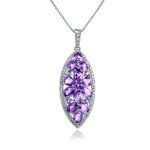 Amethyst Necklaces
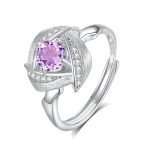 Amethyst Rings
 amethyst crystal healing
 Amethyst Beauty & Wellness
 Crystal Home Decor
 Spiritual & Divination Tools