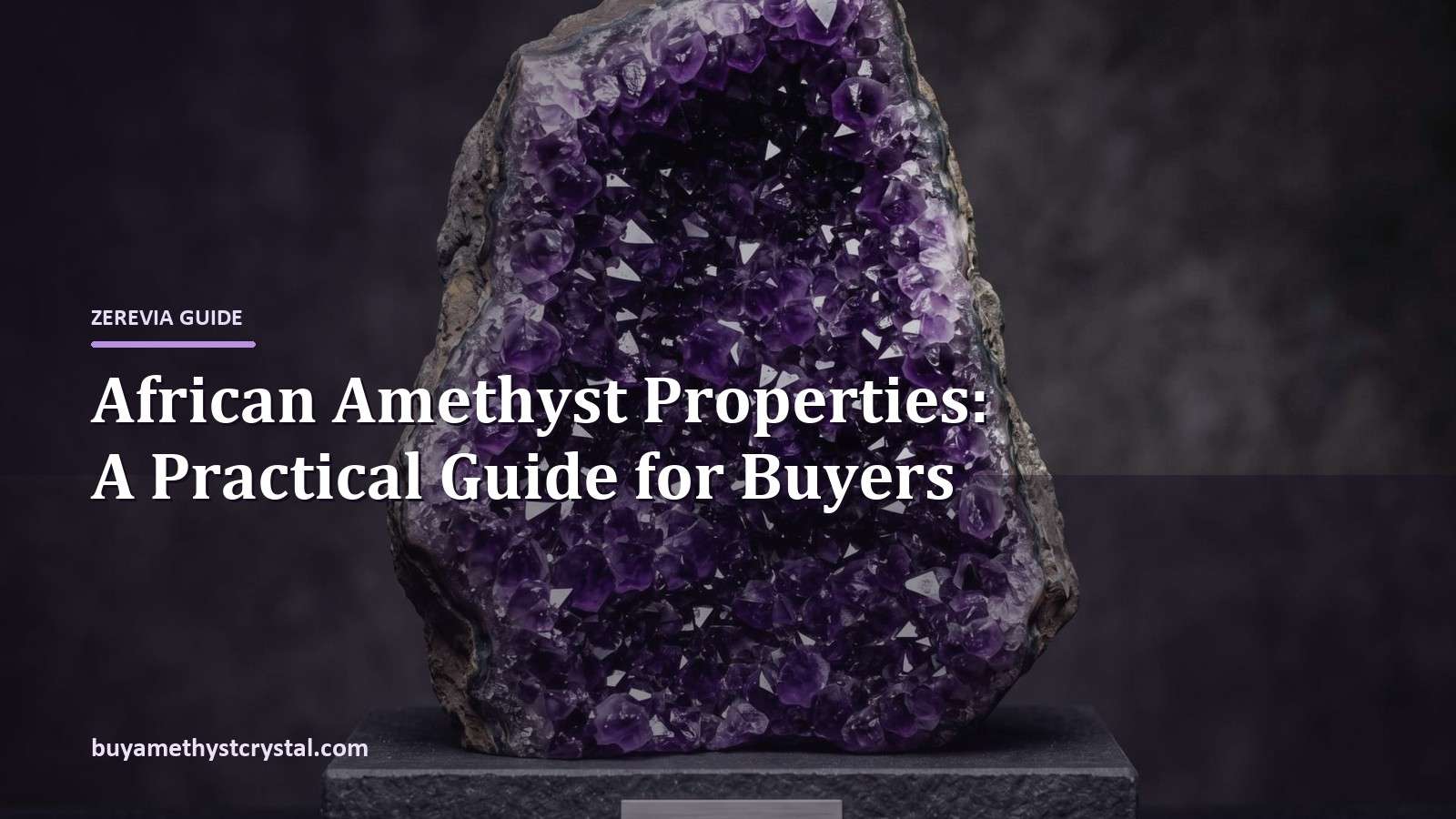

African Amethyst Properties: A Practical Guide for Buyers
When I first held a piece of African amethyst, what struck me wasn’t any mystical aura—it was the weight in my palm, the specific purple that leaned more toward plum than lavender, and the way light caught the natural color bands inside. Understanding African amethyst properties begins with appreciating these concrete details: the geology that creates its color, the traditions that associate it with calm, and the practical care needed to preserve it. This guide moves beyond vague claims to give you the grounded information needed for a confident purchase.
For a broader look at traditional associations, you can explore our guide to amethyst healing properties, understood as cultural practice and personal ritual.
Physical and Geological Properties of Amethyst
The properties that define African amethyst are rooted in measurable geology. It is a variety of quartz (silicon dioxide, SiO2) with a Mohs hardness of 7—hard enough to scratch glass, which is a useful authenticity check. Its signature purple color comes from trace amounts of ferric iron (Fe3+) ions within the quartz crystal lattice. These ions are activated by natural background radiation over millions of years, embedding the color directly into the stone’s structure.
This color origin has one critical implication for owners: UV fading is irreversible. Sunlight can cause the Fe3+ to reduce, permanently lightening the purple. I learned this firsthand after a buyer placed a beautiful deep-purple point on a sunny windowsill. The color softened to a pale lavender over several months—a change that cannot be undone. This is why safe placement away from direct sunlight is paramount for preserving the property you valued most: its color depth.
Authenticity is also signaled by natural variations. Look for color zoning—uneven patches of deeper or lighter purple—which is a hallmark of natural formation. Inclusions like phantom growth lines or rainbow iridescence from internal fractures are not flaws; they are proof of a long, complex geological history. Our guide on amethyst geological origins delves deeper into how source location affects these traits.
| Property | Characteristic | Buyer Relevance |
|---|---|---|
| Hardness | 7 on Mohs scale | Durable for jewelry and display; can scratch softer materials. |
| Color Origin | Fe3+ ions activated by natural radiation | Color is integral but can fade with UV exposure. |
| Crystal System | Trigonal (quartz family) | Often forms six-sided prisms with pointed terminations. |
| Natural Variations | Color zoning, inclusions (phantoms, veils) | Indicate authenticity and unique geological story. |
African Amethyst in Context: Origins and Quality
Amethyst’s fundamental properties are consistent worldwide, but aesthetics and market positioning vary by origin. When people ask me about differences, I usually start with: “What matters more to you—a larger size or a deeper color?”
Brazilian amethyst, often from the state of Rio Grande do Sul, typically offers larger crystal formations with hues ranging from pale lavender to medium purple. It provides excellent volume for geodes and decorative clusters. Uruguayan amethyst is renowned for its intense, deep purple—sometimes approaching a near-sapphire “emperor purple”—with finer, denser crystals. It commands higher prices but delivers unmistakable color saturation.
African amethyst, sourced from countries like Zambia, Namibia, and Madagascar, often occupies a compelling middle ground. It frequently displays a rich, grape-juice purple with good saturation, sometimes with unique color characteristics distinct from South American sources. The key for any buyer is to prioritize documented origin over generic labels, evaluate color depth against your personal preference, and assess clarity and form for your intended use. Quality should be judged by concrete attributes—color, clarity, cut, and carat weight (for jewelry)—not opaque grading systems. For a detailed breakdown, our amethyst quality and value guide is a helpful resource.
Traditional Associations and Ritual Uses
Beyond its physical properties, amethyst holds a long place in human tradition. Its name comes from the Greek amethystos, meaning “not intoxicated,” and it was carried or worn in ancient times as a talisman associated with clarity and sobriety.
In modern wellness traditions, the healing properties of purple amethyst are often discussed in relation to the chakra system. It is primarily associated with the Third Eye (Ajna) and Crown (Sahasrara) chakras, which are linked in tradition to intuition, insight, and spiritual connection. Many people use it in personal rituals for focus, reflection, or to create a sense of quiet in their space. The african amethyst healing properties described in these traditions are consistent with general amethyst symbolism: calm, clarity, and meditative support.
“You really think the stone does something?”
“I think real things have value,” I replied. “I don’t know if it has that kind of mysterious energy. I really don’t. But I know that when there’s a piece from a Uruguayan mine on my nightstand—a thing that was treated with care—I’ll stop and look at it for a minute before bed instead of scrolling on my phone. That works for me.”
This perspective is key: the value is in the ritual and the object’s tangible qualities, not a guaranteed medical outcome. Whether displayed as a raw crystal, worn as jewelry, or held during a quiet moment, its role is personal and intentional. The healing properties of purple amethyst are best understood as traditions and tools for self-directed practice. Discover different ways to incorporate it with our amethyst forms and shapes guide.
Choosing African Amethyst: Practical Buying Tips
Selecting the right piece comes down to matching its properties to your purpose. Here’s a practical framework:
1. Define the Use Case.
– For wearable jewelry, look for faceted or cabochon-cut stones with good clarity set in 925 sterling silver for hypoallergenic wear.
– For home decor or meditation, consider raw specimens, clusters, or geodes where the natural form is the feature. The appeal of raw amethyst healing properties in tradition is often tied to its unaltered, natural state.
– For a personal ritual object, a palm stone or a small, polished tower can be ideal.
2. Evaluate Authenticity and Quality.
This isn’t secret knowledge, but most sellers won’t volunteer it: Pick it up. Real quartz has a satisfying heft—it’s denser than glass. Hold it against your skin; genuine amethyst will feel cool for a few seconds before warming. Inspect the color: uneven distribution and natural inclusions are positive signs. A perfectly uniform purple often raises questions. Most importantly, ask about the origin. A seller who can tell you whether it’s from Zambia, Brazil, or Uruguay is more likely to provide accurate photos and descriptions.
3. Match Form to Function.
Our forms and shapes guide can help you decide between a cathedral geode for a statement piece, a cluster for a shelf display, or a point for a desk. If considering jewelry, ensure the description specifies “100% natural amethyst” and “925 sterling silver” for confidence in materials.
Care and Maintenance to Preserve Amethyst Properties
Caring for amethyst is about protecting its core physical property: the color born from Fe3+. The single most important rule is to keep it out of direct, prolonged sunlight. The UV fading I witnessed is permanent.
Safe Cleansing Methods:
– Moonlight Bath: Place your amethyst in moonlight overnight. This is the gentlest method, aligning with traditional cleansing practices without any risk of color change.
– Sound Bath: Use a singing bowl or tuning fork to pass sound waves over the crystal. It’s a non-contact method with a lovely ritualistic quality.
– Smudging: Briefly pass it through sage or palo santo smoke.
– Gentle Wiping: For dust, use a soft, dry cloth. Avoid harsh chemicals or ultrasonic cleaners.
Storage: Store separately or in a soft pouch to prevent scratches from harder gems. For jewelry, remove it before swimming, cleaning, or applying cosmetics to protect both the stone and the silver setting. A complete step-by-step guide is available in our amethyst care and cleansing resource.
FAQ: Common Questions About Amethyst Properties
What are the main physical properties of African amethyst?
It shares the core properties of all amethyst: a hardness of 7, color from Fe3+ ions, and a trigonal crystal system. Its specific character can include a rich purple saturation and natural variations unique to its geological source.
How does African amethyst compare to Brazilian or Uruguayan amethyst?
Brazilian amethyst tends toward larger crystals with a wider color range. Uruguayan is famous for intense, deep purple. African amethyst often features a robust, saturated purple. The best choice depends on whether you prioritize size, color depth, or specific aesthetic. The quality always hinges on documented origin, color, and clarity.
Can African amethyst fade in sunlight?
Yes, absolutely. All natural amethyst can fade from prolonged UV exposure. This is an irreversible change to the Fe3+ color centers. Always display it away from sunny windows to preserve its color.
What are traditional uses for different colored amethysts like pink or lavender?
Traditionally, amethyst’s associations are primarily with the classic purple variety. Lavender or lilac shades may be seen as having a lighter, calming energy in some practices. Pink amethyst (a different quartz variety) and phantom amethyst (with ghostly growth layers) each have their own aesthetic appeal and traditional narratives, often focusing on heart-centered connection or evolution over time, respectively. These are cultural and personal associations, not medical properties.
How can I tell if my amethyst is real?
Check the weight, temperature feel, and color distribution. Real amethyst is heavy, feels cool initially, and has natural color variations. Ask the seller for origin details. If it’s too perfect, lightweight, or cheap, be skeptical. Our detailed amethyst guide covers these points further.
Is African amethyst good for jewelry or decor?
It’s excellent for both. For decor, choose a form that suits your space—a geode, cluster, or slice. For jewelry, ensure it’s set in quality materials like 925 sterling silver and that the piece is photographed accurately (WYSIWYG). Its durable hardness makes it suitable for everyday wear with proper care.
Understanding African amethyst properties is the first step to choosing a piece that resonates with you for the right reasons. Whether you’re drawn to its geology, its tradition, or simply its color, let that knowledge guide your decision. Explore Zerevia’s collection of documented-origin amethyst to find a piece that fits your space, ritual, or personal style.
 Crystal Cluster
 Crystal Tower
 amethyst crystal ball
 Amethyst Caves for Sale
 Amethyst Bracelets
 Amethyst Earrings
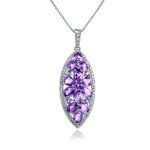 Amethyst Necklaces
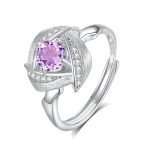 Amethyst Rings
 amethyst crystal healing
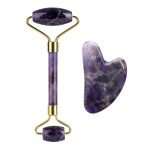 Amethyst Beauty & Wellness
 Crystal Home Decor
 Spiritual & Divination Tools