Amethyst Healing Power: Science, Tradition & How to Choose
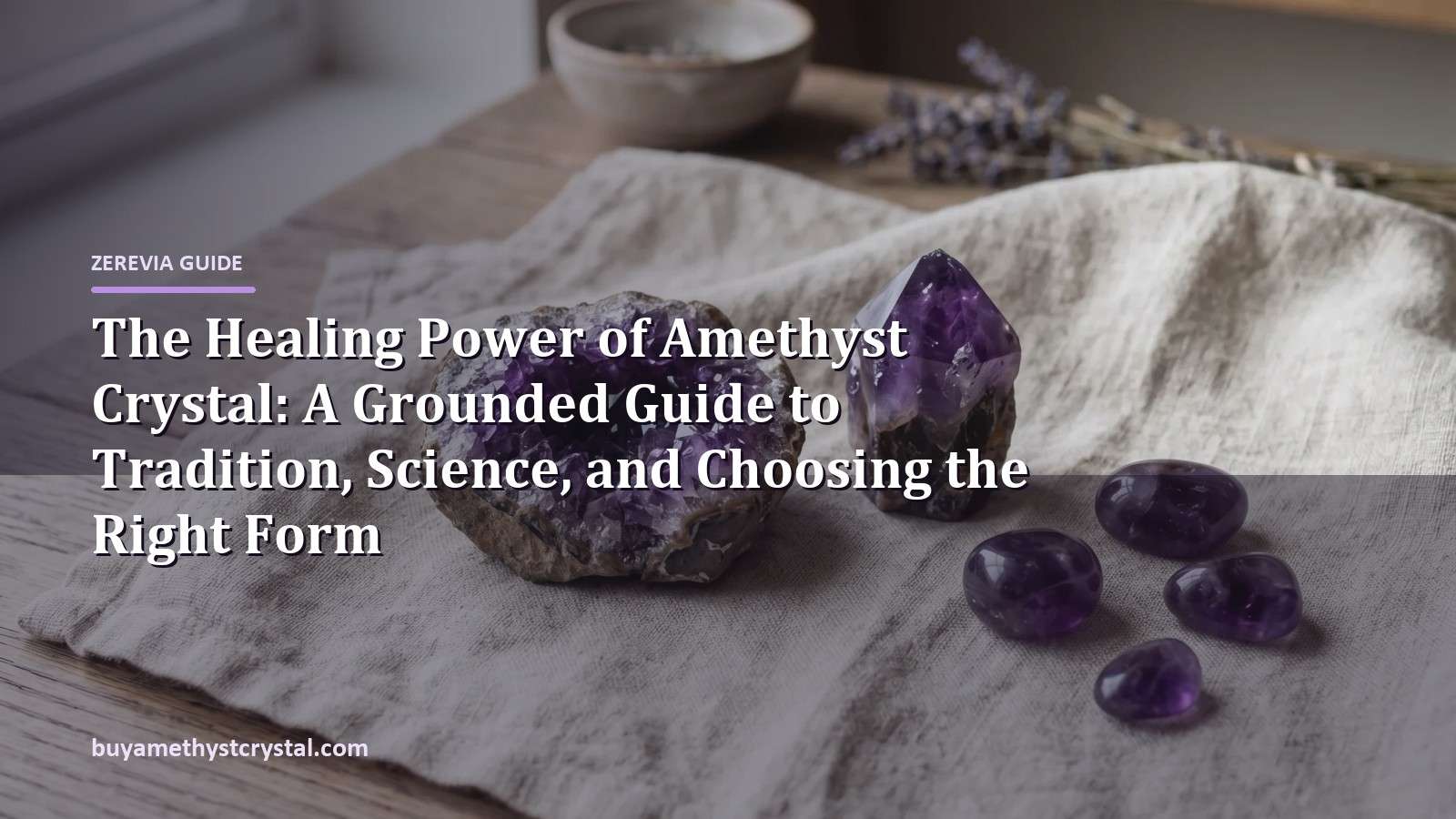
The Healing Power of Amethyst Crystal: A Grounded Guide to Tradition, Science, and Choosing the Right Form
The phrase “healing power of amethyst crystal” is something I’ve heard a lot since I started working with these stones. It brings people to my site, and I understand the curiosity behind it. My own interest began with a $12 stone labeled for “calm nights”—a purchase made during a difficult time. That small act of noticing a stone’s weight and color started a path into understanding what amethyst actually is, and what the claims around it truly mean.
This guide isn’t about promising miracles. It’s about separating the science from the tradition, the documented properties from the personal practices, and helping you find an amethyst piece that fits your life. For a deeper look at the specific qualities attributed to this stone, our page on amethyst healing properties is a good companion to this guide.
What Do We Mean by ‘Healing Power’? A Balanced View
When we talk about the healing power of amethyst crystal, it’s important to draw a clear line between two different conversations. The first is scientific and mineralogical. Amethyst is quartz (SiO2) colored by trace amounts of iron (Fe³⁺) that were altered by natural radiation in the earth over millions of years. This is a verified fact about its composition. Its hardness is 7 on the Mohs scale—hard enough to scratch glass—and this physical durability is part of its value.
The second conversation is traditional and personal. For centuries, across many cultures, amethyst has been associated with calm, clarity, and intuition. In some traditions, it’s connected to the Third Eye and Crown Chakras—energy centers associated with insight and spiritual awareness. These are practices and beliefs, not medical guarantees. Many people, myself included, find that having a real, natural stone nearby can serve as a tactile anchor for a moment of quiet or a personal ritual. That effect is about the mind’s connection to a meaningful object, not a property that radiates from the stone itself.
So, when you’re exploring amethyst for healing, you’re exploring both a geologically fascinating mineral and a vessel for personal practice. We’ll respect both perspectives here.
Traditional Uses and Metaphysical Perspectives
The amethyst crystal metaphysical properties benefits that people seek are rooted in tradition. The most common are a sense of calm, mental clarity, and enhanced intuition. These ideas aren’t pulled from thin air; they come from long histories in cultures from ancient Greece to various Eastern traditions.
In these practices, amethyst is often used with intention. Someone might choose a particular piece for their desk to support focused work, or place one by the bed to create a restful atmosphere. The stone becomes a physical reminder of a desired state of mind. This is the heart of intention setting: the act of defining what you want the stone to represent for you. The metaphysical properties are less about the stone doing something to you, and more about you using the stone as a focal point for your own attention.
It’s a subtle but important distinction. The tradition offers a framework, but the experience is personal. You can learn more about the cultural meanings on our amethyst meaning and uses page.
Benefits by Form: How to Choose Your Healing Amethyst Crystal
The “power” of an amethyst piece is often tied to how you’ll use it. A geode in your living room serves a different purpose than a pendant you wear daily. Here’s how different forms align with common goals.
| Form | Primary Appeal | Best For | Key Considerations |
|---|---|---|---|
| Raw Crystals / Clusters / Geodes | Natural beauty, visual impact, weight | Home decor, creating a focal point, traditional display | Documented-origin (Brazil, Uruguay). Keep out of direct sunlight. Place in a spot you enjoy looking at. |
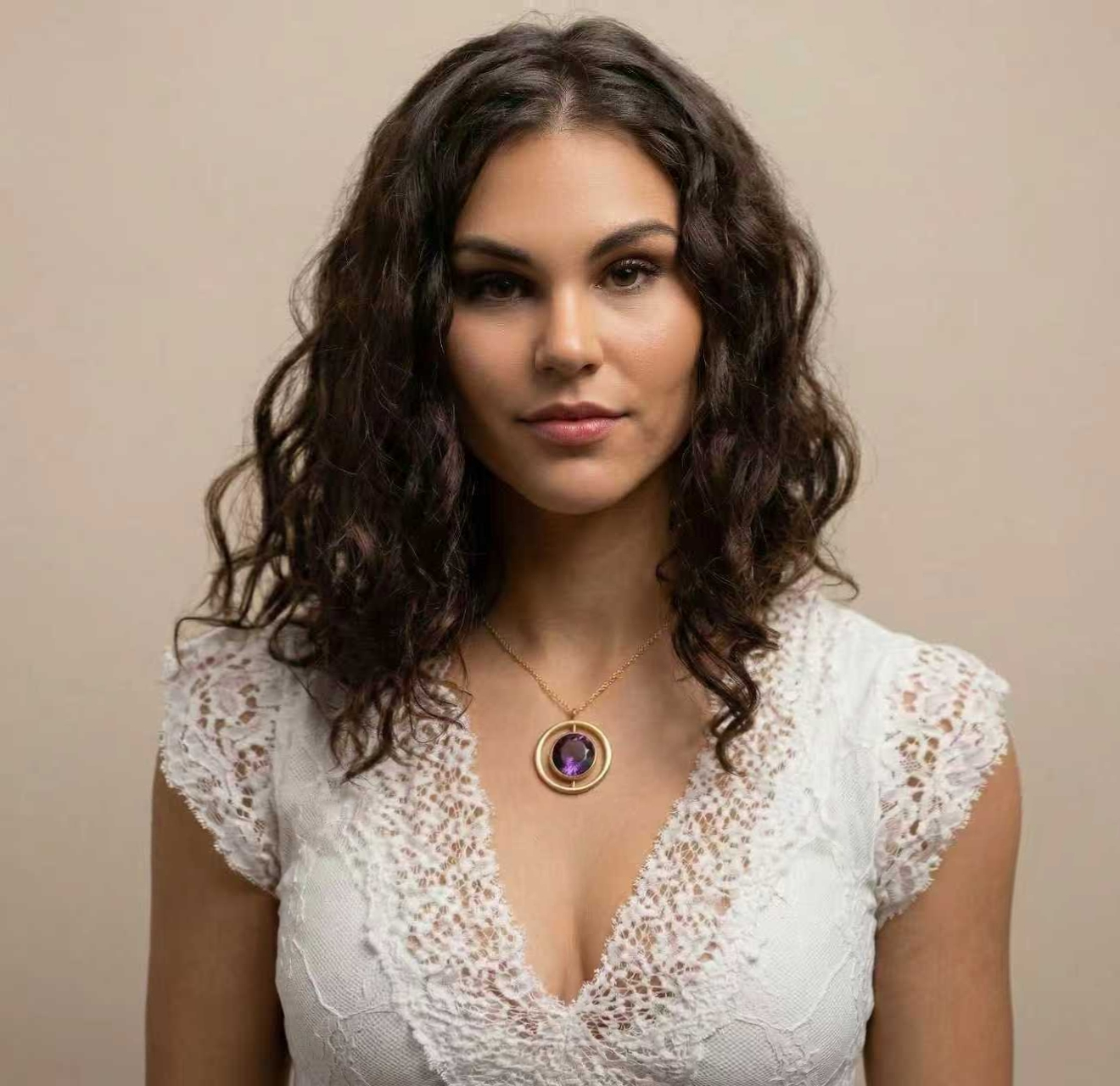
| Jewelry (Pendants, Rings, Earrings) | Wearable, constant proximity, personal adornment | Amethyst healing crystal jewelry for daily carry, personal touchstone | Look for 100% natural amethyst and 925 sterling silver (nickel-free). A ring or necklace becomes part of your routine. |
| Spheres & Balls | Symmetry, contemplative quality, even color | Meditation focus, decor, traditional practice | Amethyst crystal ball uses include rolling in the palm for mindfulness. The spherical shape catches light from all angles. |
| Lamps | Ambient lighting, color glow | Atmospheric room lighting, decor | The amethyst crystal lamp benefits are primarily visual—the stone’s color creates a warm, purple-tinged light. The stone itself is often a large, rough piece. |
| Towers / Points | Directional shape, pointed top | Placing on a desk or altar, traditional directional use | Often used in crystal grids or as a centerpiece for intention setting. |
Choosing is about matching the form to your intention. Want a wearable reminder? Explore our amethyst forms and shapes guide to see the visual differences up close.
Special Considerations: Skin, Cacoxenite Inclusions & Cultural Contexts
Let’s address a few specific queries that come up. The idea of amethyst crystal benefits for skin is common, but it’s important to be precise. Amethyst is a mineral, not a skincare ingredient. It doesn’t interact with skin chemistry. Any perceived benefit comes from the ritual—using a cool amethyst roller or gua sha tool can feel soothing and turn your skincare routine into a mindful moment. The benefit is in the practice, not a transference of properties.
Some amethysts contain cacoxenite, which is a phosphate mineral that appears as golden or yellowish, often needle-like inclusions. In traditional beliefs, these inclusions are thought to enhance the stone’s properties, making amethyst cacoxenite a sought-after variety. Visually, they add a striking, sunlit streak to the purple. It’s a natural variation, not a separate “more powerful” crystal.
Regarding cultural contexts—like searches for amethyst crystal benefits in Hindi—it’s true that amethyst’s value spans many traditions. While the core themes of peace and intuition are widespread, specific beliefs can vary. The respectful approach is to recognize that these stones hold personal and cultural significance for many people, without assuming one tradition’s interpretation is universal.
For ideas on incorporating these forms into your space, see our healing and decor ideas.
Protecting Your Amethyst: The Most Important Care Step
If you take only one piece of practical information from this guide, let it be this: avoid prolonged direct sunlight.
The vibrant purple color in amethyst comes from iron (Fe³⁺) in its quartz structure. Under sustained UV light—from the sun or strong UV lamps—that iron can undergo a chemical change, and the purple permanently fades. This is irreversible. I learned this the hard way after a buyer placed her crystal on a sunny windowsill. Her deep “emperor purple” turned to a pale lavender. The stone was still real, but the color was gone.
For general cleaning, a soft cloth and lukewarm water with a drop of mild soap are sufficient. For traditional energetic cleansing—a practice many find meaningful—moonlight is a safe and popular method. Simply place your stone under the moon overnight. Sound cleansing with a singing bowl is another gentle option. These rituals won’t harm the stone and can be a meaningful part of your practice. You can explore dedicated amethyst crystal healing tools for these purposes.
Frequently Asked Questions
Does amethyst really have healing power?
Amethyst has verified physical properties (it’s hard quartz with a specific color chemistry) and a long history of traditional use for promoting calm and clarity. However, these effects are not medically proven or guaranteed. Its “power” lies in what it represents to you personally—whether as a beautiful object of natural history or a focal point for your own rituals.
How do you use amethyst for healing?
Common traditional uses include: placing it in a room you spend time in (like a living room or bedroom) to enjoy its presence, wearing it as jewelry for personal connection, holding it during meditation or while setting a specific intention, or simply keeping it on your desk as a tactile reminder of a calm mindset. The key is active use within a personal practice.
Can I put my amethyst in sunlight?
No, you should not. Direct sunlight (especially strong, prolonged exposure) can cause irreversible fading of the purple color due to UV light affecting the iron ions in the stone. For charging or cleansing, moonlight is a safe and traditional alternative that poses no risk to the color.
What is amethyst cacoxenite?
It’s not a separate stone, but amethyst that contains natural inclusions of the mineral cacoxenite. These inclusions often look like golden or yellowish needles or wisps within the purple quartz. In traditional crystal lore, these inclusions are believed to amplify the stone’s qualities. Visually, they create a beautiful, unique pattern.
Is amethyst jewelry good for healing?
Wearing amethyst jewelry is valued in traditional practice for the benefit of constant proximity—it becomes a personal touchstone you can reach for or notice throughout the day. Practically, it’s important to choose jewelry made with 100% natural amethyst and a setting like 925 sterling silver, which is durable and nickel-free. The value is in the wearability and the personal meaning you assign to it.
Choosing an amethyst piece is a personal decision. Whether you’re drawn to the raw beauty of a geode, the daily connection of a ring, or the ambient glow of a lamp, focus on what will bring you enjoyment and fit into your space and life. If you’re ready to find a piece that resonates, you can explore our documented-origin collection.
 Crystal Cluster
 Crystal Tower
 amethyst crystal ball
 Amethyst Caves for Sale
 Amethyst Bracelets
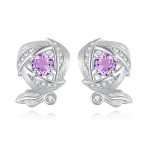 Amethyst Earrings
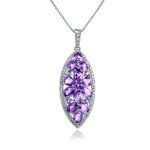 Amethyst Necklaces
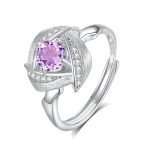 Amethyst Rings
 amethyst crystal healing
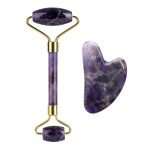 Amethyst Beauty & Wellness
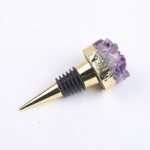 Crystal Home Decor
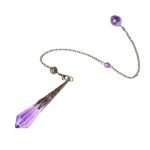 Spiritual & Divination Tools