Amethyst Birthstone Bracelet: Meaning, Selection, and Care Guide
Choosing an amethyst birthstone bracelet is about more than selecting a piece of purple jewelry. It’s about connecting with a stone that has held meaning for centuries, and making sure the one you get is real, well-made, and something you’ll actually want to wear. Whether it’s a gift for a February birthday, a treat for yourself, or a piece you’re drawn to for its traditional associations with calm and clarity, the right bracelet should feel specific and grounded.
This guide walks you through what an amethyst birthstone bracelet symbolizes, how to spot a real one from a fake, the common styles you’ll encounter, and the simple care that will keep its color true for years. If you’re curious about the broader amethyst healing properties that inform its traditional use, we have a detailed guide on that too.
The Significance of Amethyst as a Birthstone and Zodiac Stone
An amethyst birthstone bracelet carries layers of meaning. Most directly, amethyst is the official birthstone for February. This makes it a classic and thoughtful gift for anyone born that month, connecting them to a tradition that dates back centuries.
Beyond the calendar, amethyst is also traditionally considered the guardian stone for those born under the Aquarius zodiac sign (January 20 – February 18). In crystal traditions, this stone is often associated with emotional balance, clarity of thought, and a sense of protection. Many people who wear an amethyst healing crystal bracelet describe using it as part of a personal ritual—perhaps as a touchstone during a stressful day or a focal point for a few minutes of quiet breathing before bed.
This is the amethyst stone bracelet meaning that resonates most in practice: it’s a personal symbol. For some, an amethyst bracelet for anxiety is a wearable reminder to pause. For others, an amethyst bracelet for protection serves as a tangible touchstone. The value isn’t in a guaranteed outcome, but in the act of choosing to wear something that holds personal significance. As one conversation about belief and skepticism put it, “I don’t know if stones have that kind of mysterious energy. But I know when I have something real from a specific place on my nightstand, I spend a minute looking at it before bed instead of scrolling. That works for me.”
How to Choose a Real Amethyst Birthstone Bracelet
The internet is full of misrepresented stones. Knowing the difference between a real and fake amethyst bracelet comes down to a few concrete checks. This is less about mysticism and more about basic material science and honest retail.
First, look at the color. Natural amethyst has what gemologists call color zoning—areas where the purple is deeper, lighter, or even shifts toward clear or white. Perfectly uniform, overly vivid purple across every single bead is often a sign of dyeing. Real amethyst has character; the color grows within the crystal.
Second, use your hands. Real quartz (amethyst is a variety of quartz) has a Mohs hardness of 7. It feels noticeably cool when first picked up, and it has a heft that glass or plastic imitations often lack. Hold the bracelet for a moment; does it feel solid and cool, or light and slightly plastic? This simple test separates many fakes from the real thing.
Third, consider the seller. A reputable seller of a real amethyst bracelet will provide details. For jewelry featuring set stones, look for clear information about the metal—like “925 sterling silver”—and confirm the stones are 100% natural amethyst. For beaded bracelets, quality listings often include bead diameter and note natural variations. Sellers who use accurate photography and provide documented-origin details for their raw materials are usually more trustworthy. If you’re evaluating overall stone quality, our amethyst quality and value guide can help you understand what to look for beyond the bracelet format.
Types and Styles of Amethyst Birthstone Bracelets
Amethyst birthstone bracelets come in a few primary styles, each with a different look and feel. The right one depends on your aesthetic and how you plan to wear it.
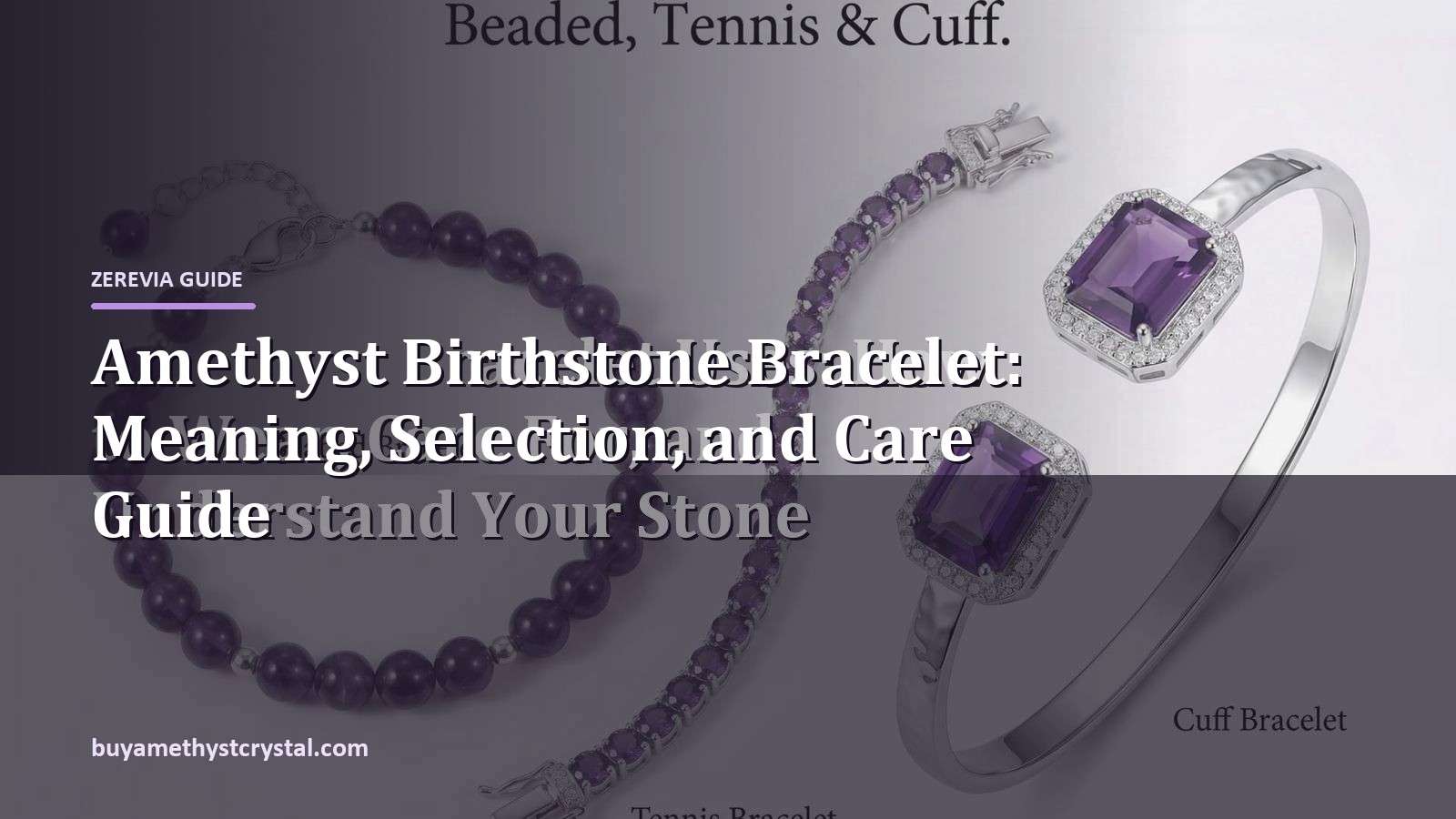
- Beaded Bracelets: These are the most common and versatile. They can feature polished, tumbled beads for a smooth look, or sometimes faceted beads for added sparkle. They’re often strung on elastic, making them easy to put on and take off.
- Set Stone Bracelets: Here, a single amethyst cabochon or faceted stone is set into a metal band, often as a tennis bracelet or station bracelet. This is where you’ll most often find options for a real amethyst bracelet in gold (typically gold vermeil or solid gold) or sterling silver.
- Raw or Minimalist Styles: Some designs use rough, unpolished amethyst chips or a single raw crystal point, emphasizing the stone’s natural state.
For metal, 925 sterling silver is a standard and practical choice. It’s durable, nickel-free (important for sensitive skin, helping avoid the “green finger” effect), and pairs beautifully with purple amethyst. If you prefer warmer tones, look for gold vermeil (a thick layer of gold over sterling silver) or solid gold options. The stone size and color depth are matters of personal preference—some prefer a delicate, light lavender, while others want the deeper purple that is more characteristic of amethyst from certain regions. For a broader look at how stone shapes are used in jewelry, see our forms and shapes guide.
Caring for Your Amethyst Birthstone Bracelet
Proper care ensures your bracelet maintains its appearance. The most critical rule is avoiding direct sunlight. The purple color in amethyst is caused by iron ions (Fe³+) within its quartz structure. Prolonged exposure to UV rays can cause this color to fade irreversibly. This isn’t a matter of belief; it’s a known optical property. Storing your bracelet in a jewelry box or drawer when not wearing it is the simplest way to protect it.
For cleaning, a soft, dry cloth is perfect for daily maintenance. If it needs more, use lukewarm water with a tiny drop of mild soap, then rinse and pat dry thoroughly. Avoid harsh chemicals, ultrasonic cleaners, or steam cleaners, which can damage both the stone and the metal setting.
Many people incorporate traditional cleansing rituals, like placing their bracelet in moonlight overnight, as a way to reset their intention for the piece. This is a safe, gentle method that won’t harm the stone. For a full breakdown of safe practices, consult our guide on amethyst care and cleansing.
When you choose a piece with documented origin, you’re investing in a stone with a verifiable story. Explore our collection of amethyst birthstone jewelry to find a piece that speaks to you.
Frequently Asked Questions About Amethyst Birthstone Bracelets
What does an amethyst birthstone bracelet symbolize?
As the February birthstone and the traditional guardian stone for Aquarius, an amethyst bracelet is symbolically linked to calm, clarity, and protection. Its meaning is personal—it can represent a birthday, a personal intention, or simply an appreciation for its deep purple color and natural origin.
How can I tell if my amethyst bracelet is real?
Look for natural color zoning—slight variations in the purple tone. Real amethyst also feels cool to the touch and has a satisfying weight. Purchasing from a seller that provides clear details about materials (like “100% natural amethyst”) and uses accurate, detailed photos is the best way to ensure authenticity.
What should I do if my amethyst bracelet breaks?
In crystal tradition, some believe a bracelet breaking signifies it has absorbed negative energy or completed its purpose. Practically, it could also just be wear and tear. Check if the clasp or string broke; many jewelers can restring or repair it. If a stone itself cracks, it may have had an internal flaw. Handle it gently and assess if repair is possible.
Is amethyst good for anxiety?
In many personal rituals and traditions, amethyst is used as a tool for promoting calm and providing a focus point. Wearing an amethyst anxiety bracelet can serve as a physical reminder to breathe and center yourself. It is not a medical treatment. If you experience anxiety, it should be used as a complementary practice alongside professional advice, not as a substitute for it. You can read more about its traditional associations in our guide to amethyst’s traditional uses.
 Crystal Cluster
 Crystal Tower
 amethyst crystal ball
 Amethyst Caves for Sale
 Amethyst Bracelets
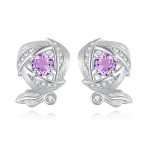 Amethyst Earrings
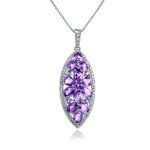 Amethyst Necklaces
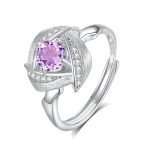 Amethyst Rings
 amethyst crystal healing
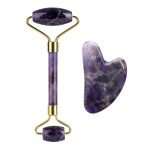 Amethyst Beauty & Wellness
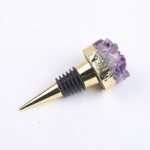 Crystal Home Decor
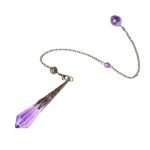 Spiritual & Divination Tools