Zerevia styling guide
How to Wear Amethyst: Styling Jewelry for Every Occasion
A practical guide to choosing and styling amethyst jewelry — from weekend errands to evening events — with outfit ideas, color pairing, and care advice so your pieces stay bright.
If you have been wondering how to wear amethyst outside of a crystal shelf, the short answer is: the same way you would wear any jewelry you actually like. The longer answer involves color depth, occasion, and a few care habits that keep the purple from fading. This guide covers all of it — casual days, office settings, evening events, color pairing, and what to check before you buy your first piece of amethyst jewelry.
Why Amethyst Works as Everyday Jewelry
Purple sounds like a bold choice until you actually wear it. In practice, amethyst sits closer to a neutral than most people expect. A medium-purple stone against a white t-shirt or a navy blazer does not read as eccentric — it reads as intentional color in an otherwise quiet outfit.
Amethyst is also February’s official birthstone, which gives it a built-in personal meaning for anyone born that month, for Valentine’s gifts, or for marking a milestone date. That connection is not mystical shorthand — it is a tradition with a long commercial history, and it is one reason amethyst jewelry shows up in so many gift guides.
On the material side, color depth and quality matter. Amethyst ranges from pale lavender through medium violet to deep emperor purple, and the shade you choose changes the entire mood of the piece. Pale lavender reads soft and quiet. Medium purple reads deliberate. Deep purple reads as something you chose on purpose for a specific outfit or occasion.
For the setting, 925 sterling silver is the standard for a reason: it is nickel-free, it will not turn your fingers green, and it holds up to the kind of daily contact that happens when you actually wear your jewelry instead of storing it in a drawer. A piece made with 100% natural amethyst and 925 sterling silver is straightforward — no plating to worry about flaking, no mystery alloy causing a reaction you did not sign up for.
Casual and Everyday: Simple Pieces That Don’t Overthink It
For daily wear, the goal is jewelry that adds something without requiring you to build your outfit around it. Small amethyst studs, a single pendant on a thin chain, or a simple band ring all do this well.
Studs and Small Pendants
A pair of amethyst studs works with a t-shirt, a linen button-down, a cotton sundress — basically anything you would wear on a Saturday without thinking too hard about it. A single pendant necklace in a similar vein sits at the collarbone, adds a point of color, and does not compete with whatever your shirt is doing. The key is proportion: a 5–7mm stone reads as a detail, not a declaration.
Rings and Bracelets
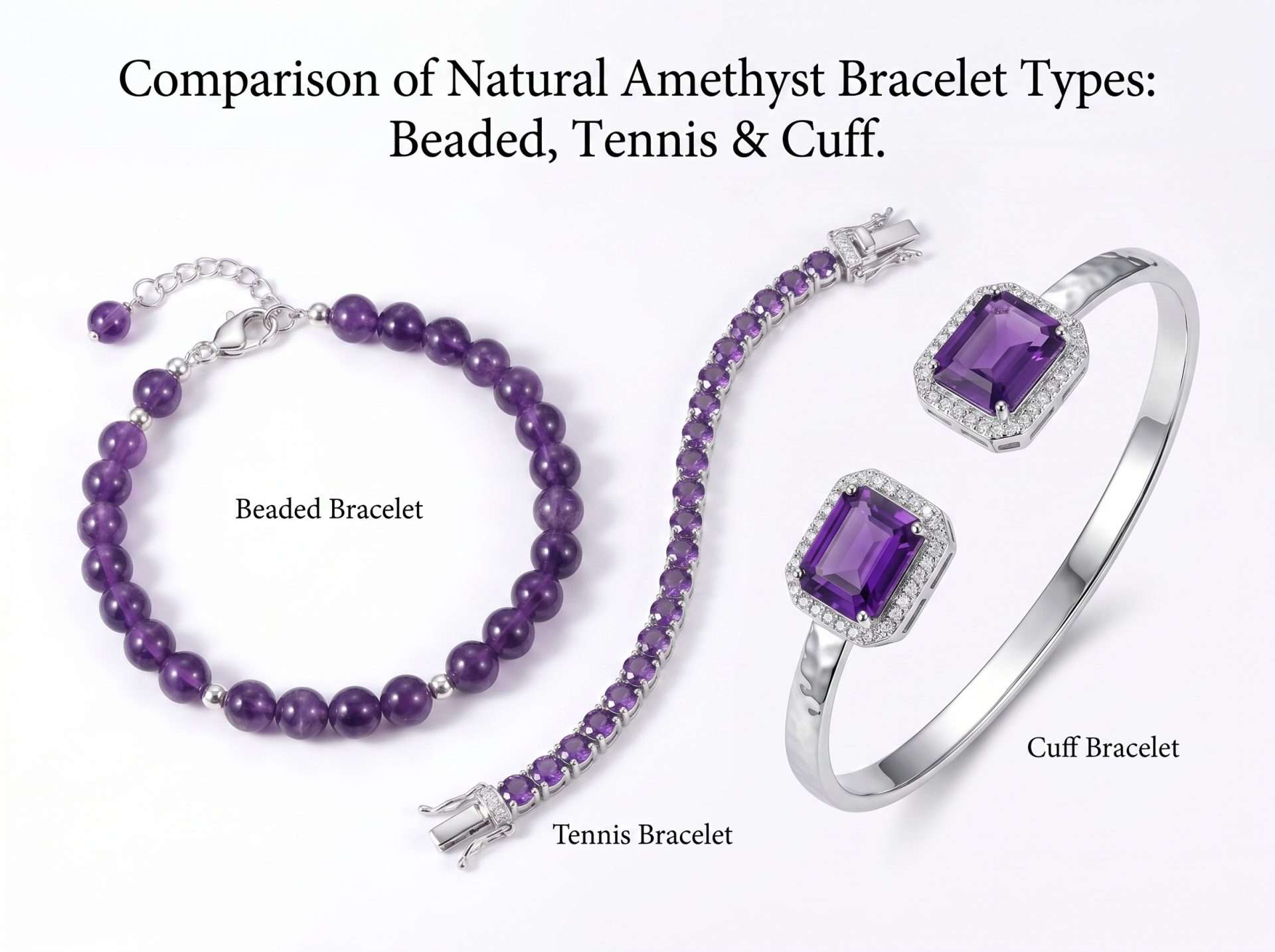
If rings are more your style, adjustable bands solve the sizing problem that makes online ring shopping stressful. You do not need to know your exact ring size — you just open or close the band until it fits. A thin sterling silver band with a single amethyst cabochon is the kind of piece you can put on in the morning and forget you are wearing, which is exactly the point for everyday use.
Pair amethyst jewelry with other silver-tone pieces — a watch, a thin chain bracelet — for a cohesive metal story. Mixing metals is fine in theory, but when you are starting out, keeping everything in the same silver family makes the outfit feel settled rather than busy.
Color Depth for Casual Settings
Pale lavender stones lean more subtle; they catch light and add a soft accent without pulling focus. Medium purple reads as intentional color — visible, but not the first thing someone notices. Both work for casual wear; it depends on whether you want the jewelry to blend or to stand out a little.
Office and Professional Settings: Polished Without Distracting
In workplaces where jewelry needs to be present but not loud, amethyst is a useful choice. The color carries enough personality to read as deliberate, but it does not have the flash factor of, say, a large gemstone cocktail ring or a piece with a lot of metalwork.
What Works in a Professional Setting
A solitaire pendant at the collarbone adds color near the face — useful if your office wardrobe leans toward black, gray, or navy. Small drop earrings do something similar without swinging or catching on things. These are pieces that say you thought about what you put on this morning without saying it too loudly.
Medium-purple stones hit the sweet spot for most offices: visible enough to be intentional, restrained enough that they do not become the conversation topic in a meeting. Sterling silver settings read more understated than gold in most professional environments, especially when paired with other silver-tone accessories.
What to Skip
For conservative workplaces, skip oversized statement pieces — very large cocktail rings, chunky layered necklaces, or anything that moves a lot. Deep emperor purple in a simple, clean setting reads as sophisticated without pushing into flashy territory. The setting matters as much as the stone: a bezel-set stone in a smooth band looks different from a prong-set stone with decorative metalwork around it.
Evening and Special Occasions: Going Bolder
Evening is where you can scale up. Larger stones, deeper color, more visible placement — all of these work when the lighting is lower and the context is celebratory.
Color Pairing for Evening
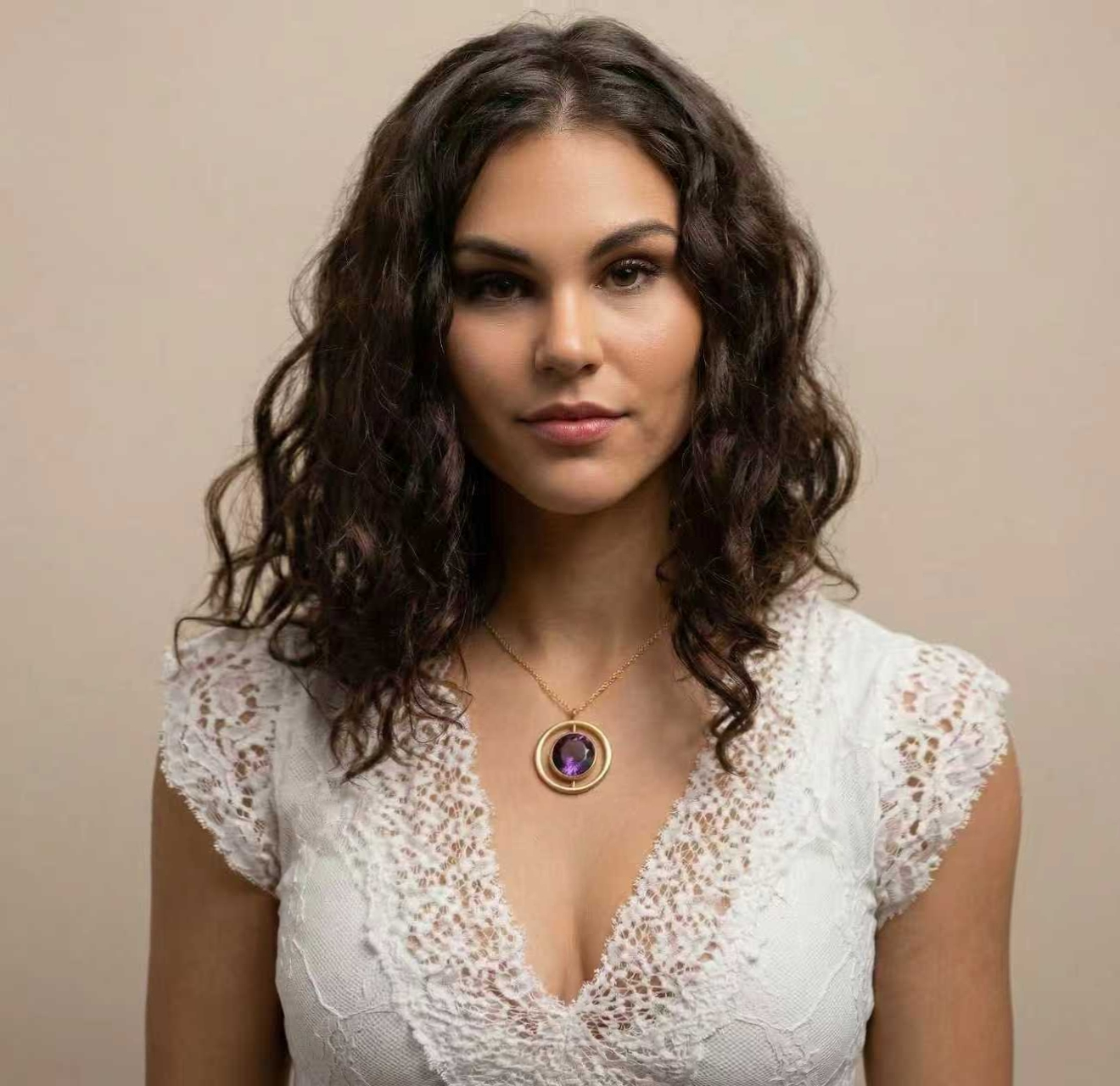
Deep purple amethyst pairs naturally with black, dark navy, burgundy, and other jewel tones. These combinations look layered rather than matching — the purple adds depth against dark fabrics in a way that reads as rich without competing. A deep-purple pendant set against a black dress or a navy wrap top is one of those pairings that works every time because the contrast is built into the colors themselves.
Placement and Scale
A pendant that sits at or just below the collarbone works over a V-neck, a scoop neck, or an open collar. Drop earrings frame the face in evening light — useful for dinners, weddings, and any event where you will be photographed or sitting across from someone for a few hours. If coordination feels like a decision you would rather not make, a matching jewelry set — earrings and necklace in the same stone shade and silver setting — eliminates the guesswork.
Amethyst also has a gifting angle worth noting. As the February birthstone, it carries personal meaning for birthday dinners, Valentine’s Day, and anniversary celebrations. For more on the traditional associations and symbolism behind amethyst, the amethyst meaning and tradition page goes deeper.
Color Pairing: What Goes With Amethyst Purple
This is the quick-reference section — the part worth bookmarking or saving for the next time you stand in front of your closet holding a purple earring and wondering what to put on.
Caring for Jewelry You Actually Wear
If you are wearing amethyst regularly, a few simple habits will keep both the stone and the silver looking the way they did when they arrived.
Daily Wear Care
- Wipe after wearing. 925 sterling silver can tarnish when it contacts moisture, perfume, sweat, and household chemicals. A quick wipe with a soft cloth before you put the piece away takes ten seconds and prevents buildup.
- Store out of sunlight. UV light changes the iron-related color centers in amethyst — the same mechanism that gives it purple. Prolonged exposure fades the color, and it does not come back. Keep your jewelry in a closed box or drawer.
- Remove rings for hands-on tasks. Harsh soap, cleaning products, and hand sanitizer can dull both the stone surface and the silver over time. Slip your ring off before washing dishes or cleaning — and put it somewhere you will remember.
- Clean monthly. A gentle wipe with a damp soft cloth, dried immediately, keeps the stone’s clarity visible and the silver bright. For a more thorough refresh, see our full amethyst care and cleansing guide.
How to Choose Your First Amethyst Jewelry Piece
If this article is the first time you have seriously considered buying amethyst jewelry, here is a framework that cuts through the noise.
- Start with what you will actually wear. A daily piece gets more value per dollar than one that sits in a box waiting for the right occasion. If you wear necklaces most days, start there. If you never take off your rings, start with a band.
- Low-commitment entry points: a single pendant or a pair of studs. These work with almost any outfit, require no sizing, and let you test whether you enjoy wearing amethyst before investing in more specific pieces.
- Check the listing. Look for “100% natural amethyst” and “925 sterling silver” — these two claims together mean the stone is real and the metal is safe on skin. If a listing says only “amethyst-colored” or does not specify the silver grade, that is a gap worth questioning.
- Sizing for rings: if you are unsure of your ring size, choose an adjustable band. It opens and closes to fit your finger without you needing to measure in advance.
- Color depth matters. Pale lavender is quiet and blends with most wardrobes. Medium purple is visible and intentional. Deep emperor purple is a statement. Think about where you will wear the piece most and choose accordingly.
When you are ready to look at specific pieces, the amethyst jewelry collection is organized by type — rings, necklaces, earrings, bracelets, and sets — so you can start where your wardrobe already has a gap.
Frequently Asked Questions
Ready to Find a Piece You’ll Actually Wear?
Browse Zerevia’s amethyst jewelry collection — every piece is 100% natural amethyst set in 925 sterling silver, photographed individually so you see exactly what arrives at your door.
 Crystal Cluster
 Crystal Tower
 amethyst crystal ball
 Amethyst Caves for Sale
 Amethyst Bracelets
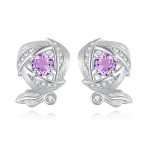 Amethyst Earrings
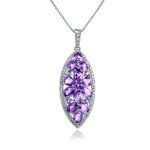 Amethyst Necklaces
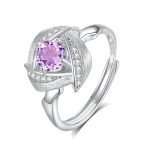 Amethyst Rings
 amethyst crystal healing
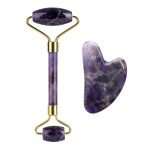 Amethyst Beauty & Wellness
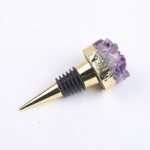 Crystal Home Decor
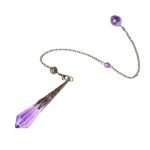 Spiritual & Divination Tools