Amethyst Birthstone Meaning: February’s Stone & How to Choose It
Birthstone guide
Amethyst Birthstone Meaning: Why February’s Stone Matters and How to Choose It
Amethyst has been February’s official birthstone for over a century. Here’s what that designation actually means, where it came from, and how to pick the right piece—whether you’re shopping for yourself or someone who shares a February birthday.
The amethyst birthstone meaning sits at an intersection of chemistry, history, and personal connection that most gemstones don’t quite manage. Its purple comes from iron—specifically, trace amounts of Fe³⁺ activated by natural radiation inside quartz over millions of years. That’s the verified part. The rest—the sobriety associations, the royal connections, the modern gift-giving tradition—builds on top of that physical reality in ways that matter differently to different people.
This article focuses on what makes amethyst meaningful as a birthstone. If you want the broader mineral facts, our amethyst meaning and properties guide covers those in depth. Here, we’re staying in February.
Why February’s Stone Carries Specific Weight
Amethyst is the official birthstone for February and the traditional stone for a sixth wedding anniversary. That dual role means it shows up in two very different shopping contexts: the personal birthday gift and the milestone marker.
What makes the birthstone designation different from simply “buying an amethyst”? Intent. A birthstone purchase carries a layer of personal symbolism that a decorative purchase doesn’t. You’re not just choosing a purple stone—you’re choosing one that’s supposed to represent a specific person, a specific month, and sometimes a specific moment in their life.
That’s worth understanding before you start comparing carats or settings, because the meaning part of the amethyst birthstone meaning question often drives the final decision more than the specs do. Someone might prefer a lighter lavender shade for everyday wear, but choose a deeper purple because it “feels more like February.”
The Historical Thread: From Amethystos to Your Birth Month
The word “amethyst” traces back to the Greek amethystos, which translates roughly to “not intoxicated.” Ancient Greeks believed the stone could prevent drunkenness—so they carved drinking vessels from it and wore it as an amulet. Whether that worked is a separate question, but the association with clarity and clear-headedness stuck.
Through the medieval period, amethyst became a favorite of European royalty and the Catholic clergy. Bishops wore amethyst rings as a symbol of piety and spiritual authority. The stone’s deep purple color, rare and expensive before Brazilian deposits were discovered, signaled status as much as anything else.
The modern birthstone standard came in 1912, when the Jewelers of America (then the National Association of Jewelers) formalized a list assigning a gemstone to each month. Amethyst was designated for February. That list has been revised a few times since—adding tanzanite as a December option, for example—but amethyst’s February placement has remained unchanged.
So the February birthstone meaning you encounter today is a layered thing: Greek drinking culture, medieval church symbolism, and a twentieth-century jewelry industry standardization effort, all compressed into a single purple stone.
Modern Interpretations: What It Might Mean for You
Today, the birthstone amethyst meaning most people encounter is softer and more personal than the ancient versions. It’s traditionally associated with peace of mind, inner strength, and what some describe as intuitive clarity. These are not medical claims—they’re cultural associations that have accumulated over centuries of symbolic use.
For people born between January 20 and February 18, amethyst also serves as a guardian stone for Aquarius. This dual role—birthstone and zodiac stone—gives some buyers a stronger sense of personal connection. It’s one thing to share a birth month with a stone; it’s another to share a zodiac sign.
But here’s what I think matters more than any traditional list of associations: the meaning you assign it yourself. I’ve talked to people who wear their birthstone ring every day as a quiet reminder of their mother, who gave it to them. Others choose it purely because they like purple. Both are valid reasons.
If you’re curious about the broader traditional and spiritual associations people connect with amethyst, we cover those in our guide to amethyst’s traditional associations. The key framing for all of them: these are traditions and personal practices, not prescriptions.
Choosing Birthstone Jewelry: Beyond the Meaning
Once you’ve decided that amethyst is the right birthstone choice, the practical decisions start. Here’s what actually matters when you’re evaluating a piece of birthstone jewelry.
A small but important note on color: amethyst ranges from pale lavender to deep, near-violet purple. There’s no universal “best” shade for birthstone jewelry. Deeper purple stones typically cost more, especially those from Uruguayan deposits, but a lighter stone set in clean silver can look just as intentional. It depends on what the wearer will actually enjoy looking at on their hand or neck every day.
Choosing a Birthstone Crystal: A Different Kind of Gift
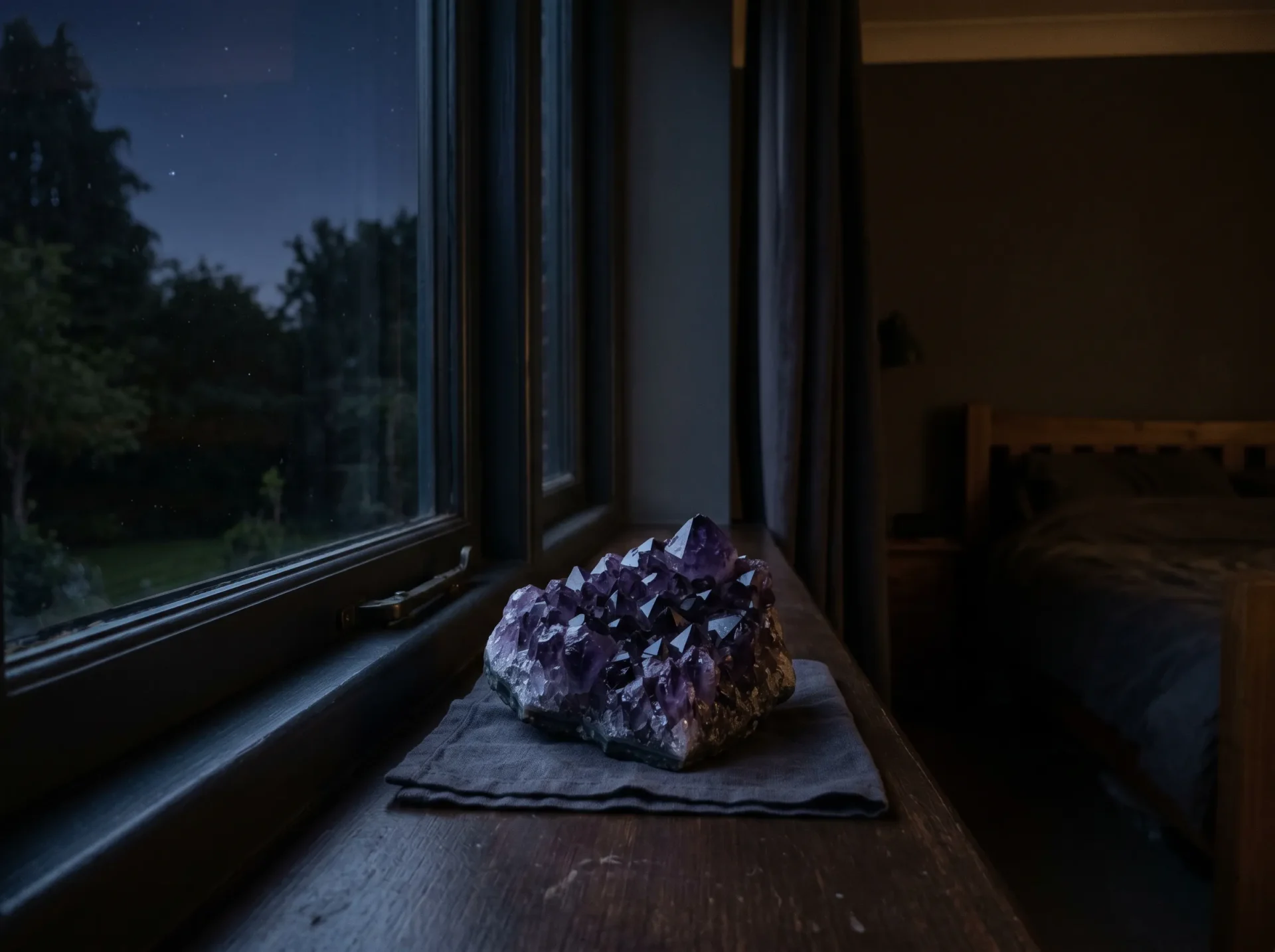
Not every birthstone gift needs to be jewelry. A raw or polished amethyst crystal makes a different kind of present—something tactile, decorative, and personal without requiring a ring size or style preference.
Why a crystal works as a birthstone gift: It’s a physical object someone can place where they want it—on a desk, a nightstand, a bookshelf. Unlike jewelry, it doesn’t need to match an outfit. It becomes part of someone’s space. The first amethyst I ever bought was a $12 piece with a handwritten label. It wasn’t beautiful in any conventional sense—color a bit pale, matrix slightly gray—but when I picked it up, it was heavier than I expected. That weight surprised me. It felt like something real, which it was.
What to Consider When Choosing a Crystal Gift
- Size and placement: A small tumbled stone fits in a pocket or on a nightstand. A medium cluster or geode works as a shelf piece. A large cathedral geode becomes a room statement. Think about where the recipient might actually put it.
- Color depth: Brazilian amethyst tends toward larger specimens with a range from lavender to medium purple—good for size and visual impact. Uruguayan amethyst runs smaller but with deeper, more saturated color, sometimes reaching a near-blue purple that you can spot across a room. The first time I put a Uruguayan piece next to a similarly priced Brazilian one, the color difference was visible in about two seconds. One isn’t better. They serve different preferences.
- Origin and documentation: Reputable sellers can tell you where a stone came from. “Natural amethyst” on its own doesn’t prove much—ask for the country of origin at minimum. Our guide to amethyst origins explains what different sourcing regions actually mean for color and quality.
- Photography: For raw specimens, look for WYSIWYG (What You See Is What You Get) listings—where the photo is of the exact piece you’ll receive, not a stock image. Amethyst varies enough from piece to piece that this matters significantly.
Different shapes serve different purposes, too. A point or tower works well on a desk. A cluster or geode makes a stronger decorative statement. A tumbled stone is easy to carry. Matching the shape to the recipient’s life is more useful than matching it to a meaning chart.
 Crystal Cluster
 Crystal Tower
 amethyst crystal ball
 Amethyst Caves for Sale
 Amethyst Bracelets
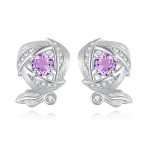 Amethyst Earrings
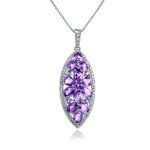 Amethyst Necklaces
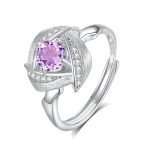 Amethyst Rings
 amethyst crystal healing
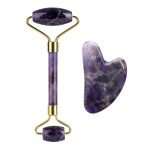 Amethyst Beauty & Wellness
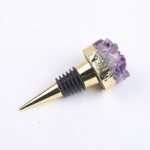 Crystal Home Decor
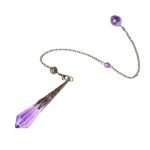 Spiritual & Divination Tools