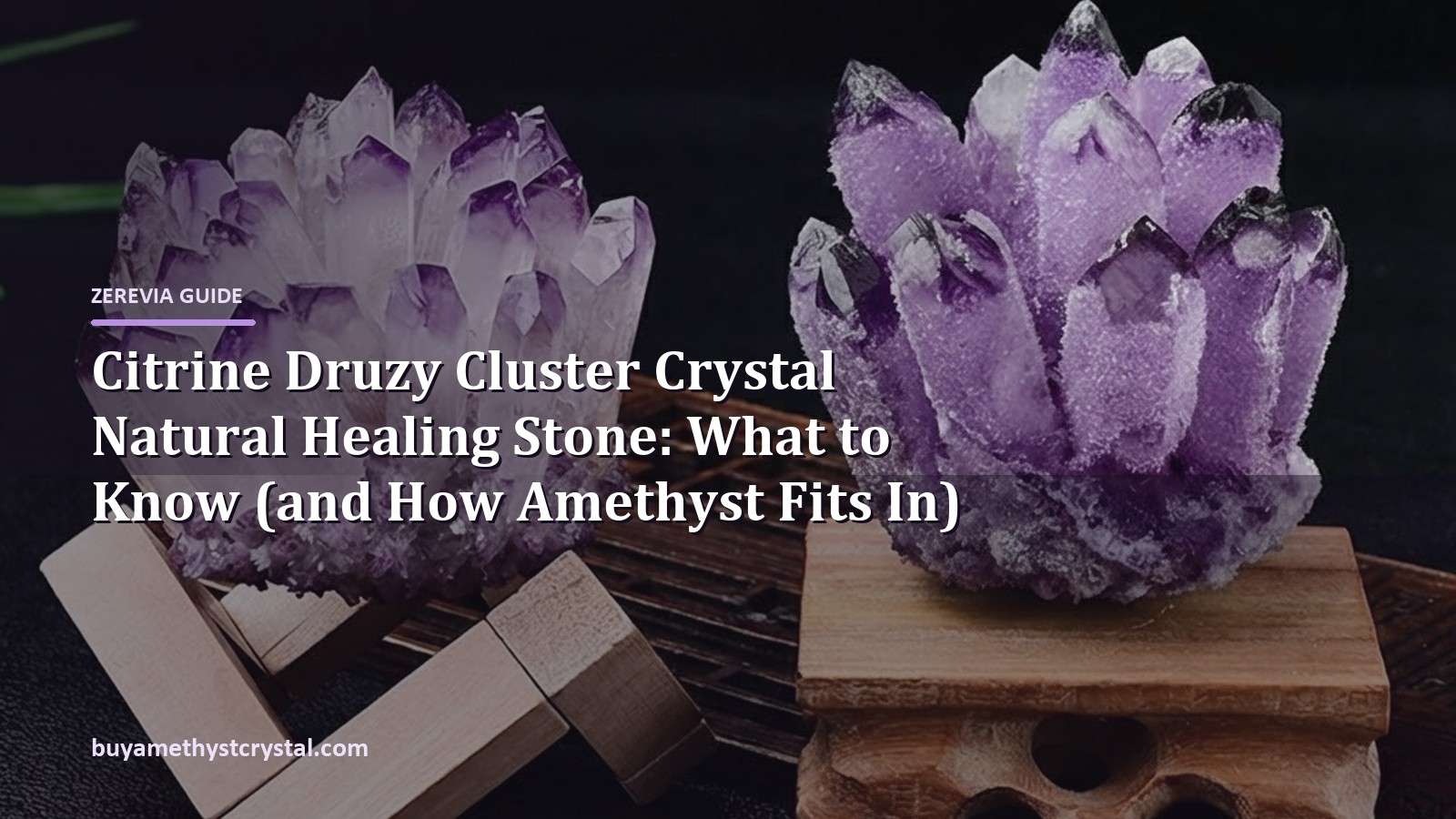

Citrine Druzy Cluster Crystal Natural Healing Stone: What to Know (and How Amethyst Fits In)
If you’ve been searching for a citrine druzy cluster crystal natural healing stone, you’ve probably noticed something confusing: most of the listings look different from each other, the prices vary wildly, and half of them might not be citrine at all. That’s not your imagination. The distinction between natural citrine and heat-treated amethyst is one of the most important things to understand before you buy — and since both stones belong to the same quartz family, the overlap goes deeper than color.
This guide covers what a citrine druzy cluster actually is, how citrine and amethyst relate geologically, what traditional healing associations buyers look for in both stones, and how to choose, place, and care for a cluster in your own space. We’ll be honest about what’s tradition and what’s fact — because you deserve to make a decision based on something real.
If you’re also exploring amethyst healing properties, this comparison will help you understand where the two stones overlap and where they diverge.
What Is a Citrine Druzy Cluster?
A druzy (sometimes spelled drusy or druze) is a surface covered in a layer of tiny, sparkling crystals that formed on a host rock. When those crystals are citrine — the yellow-to-honey member of the quartz family — you get a citrine druzy cluster: a warm-toned display piece that catches light in a way polished stones simply can’t.
Here’s the part that matters most to your buying decision: a significant amount of what’s sold as “citrine” on the market is actually amethyst that’s been heat-treated to turn it yellow or orange. Both are silicon dioxide (SiO₂), both have a Mohs hardness of 7, and both get their color from iron — but heat-treated stones have a different color profile than natural citrine.
Natural citrine tends to be pale yellow, smoky honey, or light golden. The deep burnt-orange or reddish “citrine” you see in many shops is almost always heat-treated amethyst. This doesn’t make it fake quartz — it’s still real mineral — but it means the origin story is different, and the price should reflect that.
When evaluating a citrine druzy cluster, look for:
- Color range: Natural citrine is typically pale to medium yellow. Uneven, smoky, or golden zones are common and usually a good sign.
- Color zoning: Real quartz almost never has perfectly uniform color. Some areas lighter, some darker, maybe a white base — this is normal.
- Seller documentation: A reliable seller will tell you whether the stone is natural or treated and, ideally, where it was mined.
- Weight and feel: Quartz is noticeably heavier than glass or plastic. If you can hold it, it should feel cooler to the touch than glass at first contact.
The citrine druzy healing properties that buyers often seek — associations with warmth, abundance, and personal clarity — are part of a long crystal tradition. Whether the stone you’re holding is natural or heat-treated doesn’t change its chemistry much, but it does change what you’re actually paying for.
If you’re drawn to the druzy aesthetic in the quartz family, you might also want to browse natural amethyst clusters, which offer similar sparkling formations in a deeper color range.
The Quartz Family Connection: How Citrine and Amethyst Relate
Citrine and amethyst aren’t just similar — they’re closely related. Both are macrocrystalline quartz, both share the same chemical formula (SiO₂), both register at 7 on the Mohs hardness scale, and both get their color from iron impurities. The difference is in the oxidation state of that iron and how natural radiation has interacted with it over millions of years.
Amethyst gets its purple from Fe³⁺ (ferric iron) that’s been activated by natural gamma radiation within the earth. Citrine’s yellow comes from a different arrangement of iron in the same crystal structure. Sometimes both colors appear in the same specimen — those are called ametrine, and they’re found primarily in Bolivia.
The reason this matters for buyers: the healing crystal amethyst meaning that draws so many people toward purple quartz is rooted in the same mineral family as citrine. The care instructions overlap almost entirely. The same UV vulnerability applies. And the geological relationship means that when you understand one stone well, you have a meaningful head start on understanding the other.
The color mechanism is genuinely interesting. Fe³⁺ — three iron ions sitting inside a quartz crystal lattice, activated by radiation that happened over geologic time. The purple isn’t painted on; it grew there. I find that specific, chemical explanation more satisfying than any mystical one. It means the color has a real reason, and it means there’s a real reason it can fade — which we’ll get to in the care section.
For a deeper look at how amethyst’s meaning and uses have evolved, our guide to amethyst meaning and uses covers the history and practical traditions.
Traditional Healing Properties of Citrine and Amethyst
Let’s talk about what people mean when they search for healing properties of citrine and amethyst — and let’s be clear about what we’re actually talking about.
Neither citrine nor amethyst has been clinically proven to treat, cure, or prevent any medical condition. What exists is a long tradition of association: centuries of people connecting specific stones with specific qualities, moods, or intentions. That tradition is real and meaningful to many buyers. It’s just not medicine.
Citrine, in crystal tradition, is associated with warmth, personal clarity, and a quality people often describe as abundance — not necessarily financial, but a feeling of having enough energy and focus for what matters. In the chakra system, it’s linked to the solar plexus, the energy center associated with confidence and self-direction.
Amethyst, in crystal tradition, is associated with calm, mental quiet, and restful stillness. It has historically been called “the sobriety stone” — a name that goes back to ancient Greek beliefs about staying clear-headed. In the chakra system, amethyst is connected to the third eye (Ajna) and crown (Sahasrara), the centers associated with intuition and awareness.
The amethyst stone healing benefits that buyers most commonly describe are practical: a stone on the nightstand that creates a moment of pause before sleep, a desk piece that serves as a visual anchor during a scattered afternoon, a ritual object that gives a shape to an intention. Many buyers report that having a real, documented-origin stone in their space makes the ritual feel more grounded than an abstract practice.
I think that’s because real things have value in a way that ideas alone don’t. When someone holds a piece of quartz that formed over millions of years, in a specific place, with a specific color mechanism — that’s tangible. Whether it “does” something measurable is a different question than whether it means something to the person holding it. The tradition speaks to the second question, not the first.
For a complete breakdown of traditional amethyst associations, our full guide to amethyst healing properties covers the details with the same honest framing. And if you’re looking for crystals specifically suited to ritual and intentional spaces, our amethyst crystal healing tools collection is organized by use case.
How to Use Citrine and Amethyst Clusters in Your Space
The question of how to use amethyst crystal for healing — or how to use any crystal for intentional purposes — comes down to three things: placement, routine, and honesty about what you’re doing.
Placement: Where you put a cluster changes how you interact with it. A few options that work for different intentions:
- Bedside table: A classic choice for amethyst, especially if your goal is a quieter transition into sleep. A small cluster near where you set your phone down at night creates a visual alternative to one last scroll.
- Desk or workspace: Citrine’s warm tones work well here. In feng shui tradition, the southeast corner of a room is considered the “wealth corner” — a place associated with abundance and growth. A citrine cluster there is a common placement.
- Living room shelf or entry table: Druzy clusters are display pieces by nature. They catch light. Placing one where you and guests will naturally see it means it does double duty — decoration and ritual object.
Routine: You don’t need a complicated ceremony. The most common daily practice I hear from buyers is the simplest one: you pause, you look at the stone, you take one breath that’s slightly slower than the last five, and you move on with your day. Some people touch the crystal when they set an intention. Some don’t. There’s no required protocol.
Pairing idea: If you’re considering both stones, think about which room each one suits. Citrine’s warm energy is often chosen for active, daytime spaces — desks, kitchens, living rooms. Amethyst’s traditional association with stillness and rest makes it a natural fit for bedrooms and quiet reading corners. The pairing isn’t required. It’s just a framework that some buyers find helpful.
For more ideas on integrating crystals into your home, amethyst crystal healing and decor covers placement strategies, styling tips, and room-by-room suggestions.
Choosing Between a Citrine Druzy Cluster and an Amethyst Cluster
Both stones are quartz. Both have a Mohs hardness of 7. Both come in cluster and druzy formations. The differences come down to color, tradition, and what you want the stone to do in your space.
| Feature | Citrine Druzy Cluster | Amethyst Cluster |
|---|---|---|
| Color range | Pale yellow to golden honey | Lavender to deep emperor purple |
| Mohs hardness | 7 | 7 |
| Chemical formula | SiO₂ (iron-colored quartz) | SiO₂ (iron-colored quartz) |
| Traditional associations | Warmth, abundance, solar plexus | Calm, rest, third eye and crown |
| Common origins | Brazil (natural specimens also from Madagascar, Zambia) | Brazil, Uruguay (documented origin available at Zerevia) |
| UV sensitivity | Moderate — fading possible over time | Higher — prolonged UV exposure causes irreversible color loss |
| Natural vs. treated risk | High — much commercial citrine is heat-treated amethyst | Lower — amethyst is less commonly misrepresented |
| Price range (clusters) | Varies widely by size and origin | Varies; Brazilian pieces more accessible, Uruguayan deeper color at premium |
| Best for | Active spaces, warm-toned decor, daytime intention | Restful spaces, cool-toned decor, evening ritual |
The decision framework I use when someone asks is simple: what space, what color, what ritual, and what budget. If you want something large for a living room at a reasonable price, Brazilian amethyst clusters give you visual impact. If you want the deepest possible purple for a quiet space, Uruguayan amethyst is hard to beat. If warm yellow is what draws you, a natural citrine cluster is the right choice — just verify it’s natural first.
For amethyst crystal stone benefits in their fullest form — documented origin, accurate photography, and honest care details — browsing our natural amethyst clusters will show you exactly what you’d receive.
Caring for Your Druzy Cluster: What Actually Matters
Care for citrine and amethyst clusters is nearly identical, because they’re the same mineral. The single most important rule for both: keep them out of direct sunlight.
UV fading in amethyst is well-documented and irreversible. The Fe³⁺ ions that create purple color reduce under prolonged UV exposure, and once that color is gone, it doesn’t come back. I learned this the hard way when a buyer wrote to tell me her amethyst crystal had turned from deep purple to pale lavender after a few months on a south-facing windowsill. The stone was still real. The color was permanently gone.
Citrine faces the same risk, though the fading is less dramatic and slower. A citrine cluster in indirect light will hold its color for years. One in direct afternoon sun may shift over time.
Beyond UV protection, the care basics are straightforward:
- Cleaning: Use a soft brush (a clean paintbrush works) and lukewarm water. Avoid harsh chemicals, especially on druzy surfaces — the tiny crystal points can trap residue and the formations are more delicate than they look.
- Handling: Quartz is hard (7 on Mohs), but druzy surfaces chip more easily than polished stones. Pick clusters up from the base, not by the crystal points.
- Moonlight cleansing: If you follow crystal cleansing traditions, moonlight is the safest method. Place the cluster on a windowsill overnight during a full moon. There’s no UV risk, and the tradition gives the ritual a natural rhythm.
- Sound cleansing: Using a singing bowl or tuning fork near the cluster is another safe option. The sound waves don’t damage the stone, and many buyers find the ritual itself calming.
For more on amethyst care traditions and practical maintenance, amethyst meaning and care covers everything from cleansing methods to long-term color preservation.
Frequently Asked Questions
Is amethyst a healing crystal?
In crystal tradition, amethyst is one of the most widely recognized stones associated with calm, clarity, and restful stillness. That tradition goes back centuries. It’s not a medical classification, and no crystal has been proven to treat or cure health conditions. Many buyers use amethyst as a daily anchor for intention setting — a physical object that marks a moment of pause. That’s a real practice. It’s just not medicine.
What are the healing properties of citrine and amethyst?
In traditional crystal associations, citrine is linked to warmth, abundance, and personal clarity — often connected to the solar plexus chakra. Amethyst is associated with calm, mental quiet, and rest — traditionally linked to the third eye and crown chakras. Both are quartz. Both have been valued in ritual contexts for centuries. Neither is a substitute for medical care.
How can I tell if my citrine cluster is natural?
Look at the color. Natural citrine is typically pale yellow, smoky honey, or light golden. If the stone is deep orange, burnt amber, or reddish, it’s most likely heat-treated amethyst. Color zoning — areas of lighter and darker color — is a good sign of natural formation. A seller who can tell you the mine origin (Brazil’s Rio Grande do Sul, for example, or Madagascar) and show you accurate photography of the exact piece is more trustworthy than one using only generic “natural citrine” language.
Can I wear amethyst as a bracelet?
Yes. Amethyst jewelry commonly uses 100% natural amethyst set in 925 sterling silver, which is nickel-free and won’t turn your skin green. Bracelets, rings, and necklaces are all popular choices. If you’re looking for amethyst natural healing stone bracelet product info and reviews, jewelry offers a wearable alternative to a desktop cluster — same stone, different way of being with it throughout the day.
How do I care for a druzy cluster long-term?
Keep it out of direct sunlight — this is the most important rule for both citrine and amethyst, as UV fading is irreversible. Clean with a soft brush and lukewarm water. Avoid dropping it; quartz is hard but druzy points can chip. If you practice cleansing rituals, moonlight and sound are the safest methods. The amethyst quartz crystal healing properties tradition emphasizes regular cleansing as part of the practice, but the practical reason is simply that dust collects in those tiny crystal surfaces and a gentle cleaning keeps the piece looking the way it did when you chose it.
Where to Go From Here
A citrine druzy cluster and an amethyst cluster aren’t opposites — they’re relatives. Both are quartz. Both carry centuries of tradition. Both need the same basic care. The right one for you depends on what color draws you, what space you’re placing it in, and what ritual you want it to anchor.
If you’re leaning toward the amethyst side of the quartz family, our natural amethyst clusters are photographed as they are — each piece is shown with documented origin, accurate color representation, weight, and care details. No AAAA labels. No vague claims. Just the actual stone and the information you need to decide if it belongs in your space.
 Crystal Cluster
 Crystal Tower
 amethyst crystal ball
 Amethyst Caves for Sale
 Amethyst Bracelets
 Amethyst Earrings
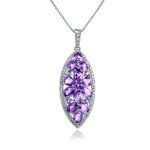 Amethyst Necklaces
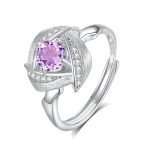 Amethyst Rings
 amethyst crystal healing
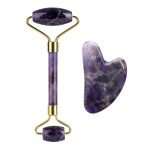 Amethyst Beauty & Wellness
 Crystal Home Decor
 Spiritual & Divination Tools