
Banded Amethyst Healing Properties: A Grounded Look at Tradition & Care
When I first picked up a piece of banded amethyst, its alternating stripes of purple and white felt less like a mystical tool and more like a map. The banding told a story of slow geological growth, not of an inherent power. If you’re researching banded amethyst healing properties, you’re likely looking for clarity on what this stone actually is, what traditions say about its use, and how to choose one wisely. This guide aims to provide that, moving from geological fact to mindful practice.
What Is Banded Amethyst? A Grounded Introduction
Banded amethyst, sometimes called chevron amethyst or amethyst agate, is a natural variety of quartz where amethyst forms in distinct, banded layers with milky white quartz or chalcedony. The striking V-shaped or straight stripes are the result of rhythmic crystal growth under specific geological conditions—fluctuations in temperature, pressure, or mineral-rich fluid flow caused the silica to crystallize in alternating purple and white phases.
This is a natural formation, not a grading system. The banding doesn’t make the stone “more powerful” in a scientific sense; it makes it visually unique. Its geological origins can vary, but it is often found alongside uniform amethyst deposits. Understanding this physical reality is the first step to evaluating its quality and value beyond just metaphysical claims.
My interest in crystals began not with healing, but with a $12 amethyst I bought for its weight and texture. That first stone was a plain purple point, but it started me down a path of asking: what is this, where is it from, and why does it look this way? Banded amethyst invites those same practical questions.
Traditional Metaphysical Properties: A Ritual Perspective
In many crystal traditions, the amethyst metaphysical properties crystal healing enthusiasts seek are associated with calm, clarity, and intuition. The purple color is often linked to the Third Eye and Crown chakras—the energy centers connected to insight and spiritual awareness in yogic philosophy. The white quartz bands are traditionally said to amplify and purify.
However, it’s vital to frame this correctly. These are not medical facts or guaranteed outcomes. As I once told a friend who asked if stones “really work,” the value for many people lies in the ritual itself. Placing a banded amethyst on a desk might serve as a tangible anchor for an intention to focus, much like a touchstone. The amethyst crystal benefits metaphysical healing properties seekers describe are deeply personal—they emerge from the user’s practice and mindset, not from the stone alone.
Tradition suggests that holding a banded stone during meditation can aid in visualizing problems or decisions more clearly, seeing the “stripes” of a situation. In crystal healing practice, it might be used for:
- Clarity and Vision: To cut through mental fog.
- Calming Rituals: Placed in a space intended for quiet reflection.
- Intention Setting: As a focus object during personal goal-setting.
For a deeper dive into how amethyst is traditionally viewed across different practices, you can explore our guide on core amethyst healing properties.
Exploring Banded Varieties: Black, Chevron, and Green
The term “banded amethyst” covers several distinct-looking stones. Identifying what you have affects both its appearance and its traditional associations.
| Variety | What It Is | Visual Identification | Traditional Association (Not Medical) |
|---|---|---|---|
| Chevron Amethyst | Banded amethyst with clear, V-shaped stripes of purple and white quartz. | Look for sharp, zigzag or chevron patterns. Contrast is usually high. | Clarity, focus, and vision work in traditional rituals. |
| Black Amethyst | Often amethyst with dense hematite or other iron oxide inclusions, creating a very dark appearance. | Hold it to a strong light. You may see deep purple or reddish flashes within the black mass. It is not a true black mineral. | Grounding and protection in some metaphysical practices. |
| “Green Amethyst” (Prasiolite) | Natural green quartz is rare. Most green stones sold as “green amethyst” are heat-treated amethyst or a different quartz variety like prasiolite. | Color is often a uniform, pale green. Ask the seller if it is natural or treated. Heat treatment is permanent. | Heart-centered energy and emotional balance in tradition. Always verify treatment status. |
When exploring the healing properties of green amethyst, your first question should be about its origin and treatment. A seller’s willingness to disclose this is a key marker of reliability. For tips on assessing any crystal’s authenticity, from color distribution to weight, see our forms and shapes guide.
Buying and Caring for Your Banded Amethyst
Whether you’re seeking amethyst crystal rock healing properties for a personal altar or simply want a beautiful natural specimen, practical selection and care are non-negotiable.
How to Choose
- Banding Clarity: Look for clear, well-defined contrast between the purple and white bands. Avoid pieces where the colors are muddy or indistinct.
- Structural Integrity: Check for fractures or chips, especially along the banding lines. A little matrix rock (the base stone) is natural and adds character.
- Accurate Photos: Purchase from sellers who show multiple angles and provide clear, honest images. At Zerevia, we practice WYSIWYG (What You See Is What You Get) for raw specimens.
The Most Important Care Rule: Avoid Sunlight
Amethyst’s purple color comes from trace iron (Fe³⁺) ions within the quartz structure. Prolonged exposure to ultraviolet (UV) light from the sun can cause an irreversible chemical change, fading the purple to a pale lavender or even clear. This is not a myth; it’s mineralogy.
I learned this the hard way when a customer messaged me that her deep purple crystal had lightened. It had sat on a sunny windowsill for two months. The color was gone and couldn’t be brought back. For your amethyst crystal benefits metaphysical healing properties or décor, always display banded amethyst away from direct sunlight.
Cleansing and Care Methods
Caring for the stone is also a mindful ritual. Safe methods include:
- Moonlight Bath: Place it under the moon (especially during a full moon) overnight. This is the safest method that won’t risk UV fading.
- Sound Cleansing: Use a singing bowl or tuning fork nearby. The sound vibrations are believed to clear stagnant energy without physical contact.
- Gentle Rinse: For pieces without fragile inclusions, a brief rinse in cool water can be refreshing. Pat dry thoroughly.
For a full primer on cleansing and long-term care, refer to our amethyst care and cleansing guide.
Frequently Asked Questions
Is banded amethyst the same as chevron amethyst?
Often, yes. “Chevron amethyst” is a popular trade name for banded amethyst with a distinct V-shaped pattern. However, “banded amethyst” can refer to stones with parallel or less defined stripes. They are varieties of the same stone, so their amethyst chevron healing properties in traditional use are considered the same: focused clarity and intuition.
What is titanium amethyst?
Titanium amethyst is not a natural variety. It is typically quartz (sometimes amethyst) that has been coated in a thin layer of titanium or titanium oxide to create an iridescent, rainbow sheen. It is a treated, man-enhanced stone. Its appearance is beautiful, but its metaphysical associations are different, often linked to the titanium coating’s energy rather than the amethyst’s. Always ask if a stone is treated.
Does banded amethyst have stronger “healing properties”?
In traditional belief, some people feel that combining stones—like the amethyst and quartz in banded varieties—creates a blended energy. One might be used for calming (amethyst) and the other for amplification (quartz). However, this is a matter of personal belief within the practice, not a factual claim about one stone being objectively stronger than another. The value comes from your personal connection and ritual.
Can I wear banded amethyst jewelry every day?
Yes, with mindful care. Amethyst has a Mohs hardness of 7, making it durable enough for jewelry like pendants or rings set in 925 sterling silver. To protect it:
- Remove it during heavy activity, cleaning, or when using chemicals.
- Avoid prolonged direct sunlight exposure to prevent UV fading.
- Store it in a soft pouch away from harder gems that could scratch it.
For beautiful, ethically set options, you can browse amethyst jewelry crafted for daily wear.
Choosing a banded amethyst is less about finding a magical tool and more about selecting a natural object whose patterns and story resonate with you. Whether you see it as a piece of earth’s history, a focus for tradition, or a simply beautiful stone for your shelf, the choice is personal. Let the banding be a reminder that some things form in slow, clear layers.
 Crystal Cluster
 Crystal Tower
 amethyst crystal ball
 Amethyst Caves for Sale
 Amethyst Bracelets
 Amethyst Earrings
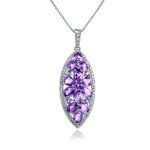 Amethyst Necklaces
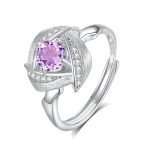 Amethyst Rings
 amethyst crystal healing
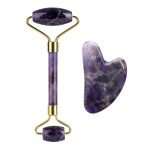 Amethyst Beauty & Wellness
 Crystal Home Decor
 Spiritual & Divination Tools