Buying Guide
The Amethyst Bracelet Buying Guide: Real Materials, Real Sizes, Real Decisions
How to choose an amethyst bracelet you’ll actually wear — with honest sizing advice, material checks, and zero mystical overpromising.
Buying an amethyst bracelet online should be straightforward. You want something made from real natural amethyst, set in honest metal, sized to your actual wrist, and shipped looking like the photos. In practice, the market is crowded with vague descriptions, unclear materials, and sizing that works for nobody. This guide cuts through that. It’s built on the same approach I use for everything at Zerevia: verifiable materials, specific details, and the kind of practical information I wish someone had given me when I first started holding stones up to the light to figure out what was real. If you want a deeper look at how natural amethyst is traditionally described, that’s its own conversation — but here, we start with what you can check with your own hands.
The Real Questions Before You Buy an Amethyst Bracelet
Most people searching for an amethyst bracelet are asking three things at once: Is this real? Will it fit? And what am I actually paying for?
Those are the right questions. They’re also the ones most product listings skip over, replacing specifics with adjectives. When I was first learning to evaluate stones, I didn’t have a lab or a gemologist on speed dial. What I had was a handful of practical checks — weight, temperature, color behavior — that any buyer can use. I’ve carried that same skepticism into how Zerevia describes its jewelry. You won’t find industry-grade terms like AAAA here (I wrote about why that term doesn’t mean much elsewhere), but you will find the details that actually matter: stone type, metal stamp, bead diameter, clasp style, and wrist range.
This guide walks you through each decision point so you can buy an amethyst bracelet with the same confidence you’d bring to any considered purchase.
Material Check: Is It Real Amethyst and Real Silver?
The single most common concern I hear from first-time crystal jewelry buyers is simple: “How do I know this is real?” It’s a fair question. The online market includes everything from genuine natural amethyst to dyed quartz to glass with a purple tint. Here’s what to look for — and what to ask.
What “100% Natural Amethyst” Should Mean
Amethyst is a variety of quartz (SiO₂) colored by trace amounts of iron — specifically Fe³⁺ — that was activated by natural radiation over millions of years. That purple isn’t painted on. It’s structural, part of the crystal lattice itself. When a seller says “100% natural amethyst,” they should mean the stone is un-dyed, un-treated quartz that formed in the earth with its color intact.
Here’s what I learned early on: pick it up. Natural amethyst is noticeably heavier than glass or plastic of similar size. Hold it against your skin for a few seconds — real stone feels cool at first, then slowly warms. Look at the color. Natural amethyst has uneven color distribution, what gemologists call color zoning: some areas are deeper purple, some are lighter, sometimes there are whitish patches near the base. That unevenness is a signature of authenticity, not a defect.
Why 925 Sterling Silver Matters
For the metal components — settings, clasps, chain links — look for 925 sterling silver. That stamp means the alloy is 92.5% pure silver with 7.5% copper, the international standard for sterling. It’s nickel-free, which means it won’t cause the green skin discoloration or irritation that cheaper alloys produce. If you have sensitive skin, this isn’t optional — it’s the baseline.
Some bracelets use gold-plated or vermeil settings over a base metal core. That can work, but the plating wears over time. Solid sterling silver, properly stamped, ages with you rather than against you.
For a deeper look at how origin affects color and quality, our guide to amethyst geological origins covers the differences between major producing regions.
Bracelet Types: From Everyday Beads to Statement Pieces
An amethyst bracelet isn’t one thing. The style you choose affects how it looks, how it feels, and how often you’ll reach for it. Here are the main categories.
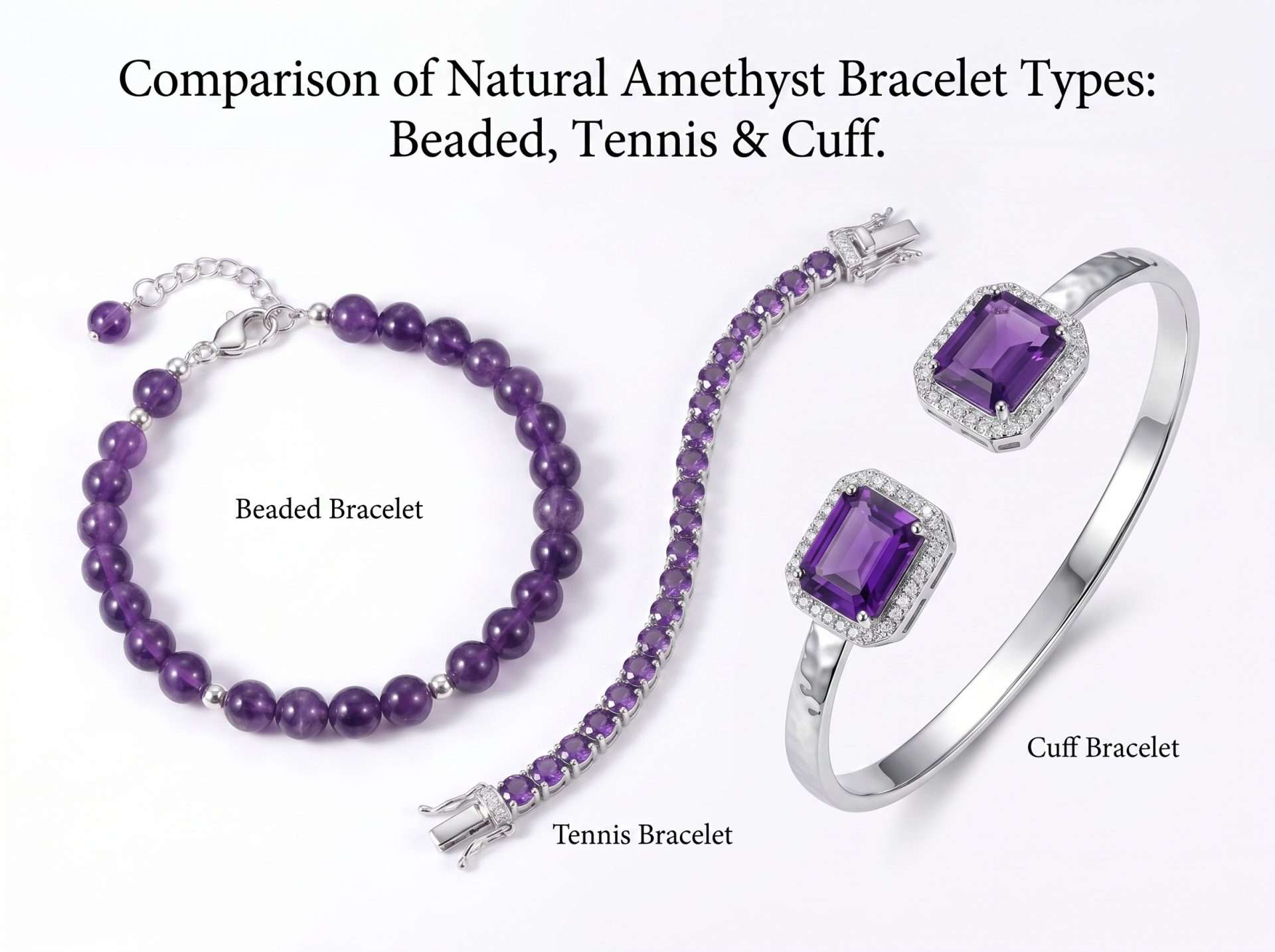
Beaded Bracelets
The most common and versatile format. Round amethyst beads strung on elastic cord or wire, typically in 6mm, 8mm, or 10mm diameters. Smaller beads (6mm) read as subtle and stackable. Larger beads (10mm+) make a more visible statement. You’ll see both polished and matte finishes — polished gives you that classic gemstone shine, while matte has a softer, more contemporary texture. Elastic styles are easy to pull on and off, though the elastic itself is the weakest link; it degrades over time and can be replaced.
Tennis Bracelets and Chain Settings
Individual amethyst stones set in a continuous line of sterling silver or gold-plated settings. These look more like traditional jewelry and less like crystal jewelry. The stone-to-metal ratio shifts here — the setting matters as much as the stone. Check that the prongs or bezels are secure; a loose stone in a chain setting is a headache you don’t need.
Cuffs and Bangles
Less common but more distinctive. A single polished amethyst cabochon set into a wide silver band, or an open cuff with amethyst accents. These tend to be one-size or adjustable, and they wear differently — more like a statement piece than an everyday layer.
The right type depends on your use case. For daily wear and layering with other pieces, a beaded bracelet in 6mm or 8mm is the most forgiving. For gifting or a more polished look, a tennis-style or chain bracelet with 925 sterling silver settings offers a different kind of presence. Our forms and shapes guide explores how amethyst shows up across different jewelry and display formats.
Getting the Fit Right: A Guide to Bracelet Sizing
“One size fits most” is one of those phrases that sounds reasonable until you try it. Wrists vary by more than an inch across common adult sizes, and a bracelet that’s too tight or too loose doesn’t get worn — it gets put in a drawer.
Here’s the method that works:
- Measure your wrist. Wrap a flexible measuring tape (or a piece of string you then measure against a ruler) around the narrowest point of your wrist, just above the wrist bone. Note the number.
- Add comfort length. For a standard fit, add 0.5 inch (1.3 cm). For a looser, more relaxed fit, add up to 1 inch (2.5 cm). Beaded bracelets on elastic cord tend to fit tighter than their stated length because the beads compress — factor that in.
- Check the stated size. Reputable sellers list the inner circumference or the bead-to-bead length, not just “fits most wrists.” If they don’t, ask.
From a design perspective, the safest choice when buying online — especially as a gift — is an adjustable clasp or an elastic beaded style with a stated range. A lobster clasp with a 1-inch extender chain covers the widest range of wrists without guessing. If you know your size and want a fixed-length piece, you’re in a better position to buy with confidence.
Someone once asked me, “You really think the stone does something?” I told them I didn’t know whether amethyst had the kind of power they meant. But I knew that having a real piece of something — something I chose deliberately, something with weight and color and a specific origin — changed how I ended my day. That pause before sleep, looking at the stone instead of my phone. That was the ritual. The stone was the anchor for it, not the cause.
Meaning and Ritual, Without the Medical Claims
Amethyst has a long history of traditional association with calm, clarity, and clear-headedness. The name itself comes from the Greek amethystos, roughly meaning “not intoxicated.” In modern crystal tradition, it’s connected to the idea of stillness and inner quiet. None of this is a medical prescription — it’s a framework for intention.
Amethyst is also the official February birthstone, which makes an amethyst bracelet a natural gift for February birthdays, Valentine’s Day, or anyone who identifies with the stone’s color and associations. It’s one of those rare stones that carries personal meaning without requiring you to subscribe to any particular belief system.
What I’ve found, and what many buyers describe, is simpler than any healing claim: wearing a bracelet becomes a tactile reminder. You notice it on your wrist. You pause for a second. That pause is yours to define. It might be a moment of quiet, a breath before a meeting, or simply the satisfaction of wearing something real and well-made. For more on traditional uses and cultural associations, that page goes deeper without overstepping what the evidence supports.
Care Guide: Keeping Your Bracelet Looking Its Best
A well-made amethyst bracelet, cared for simply, will keep its color and structure for years. The care requirements are not complicated, but one rule outweighs all others: keep it out of direct sunlight.
Here’s the full routine:
- Cleaning: Mild soap, lukewarm water, and a soft cloth. That’s it. Avoid ultrasonic cleaners and harsh chemicals — amethyst has a Mohs hardness of 7, which means it’s durable against scratches from softer materials but can still chip if struck against something harder.
- Storage: Keep your bracelet in a soft pouch or lined box, separate from harder gems (sapphires, diamonds) that could scratch the surface. Sterling silver tarnishes naturally when exposed to air; a sealed bag slows this down.
- UV exposure: This is the big one. The purple in amethyst comes from iron ions activated by natural radiation. Sunlight reverses that process over time. A few hours of incidental light won’t cause visible change, but a sunny windowsill over weeks or months will.
- Traditional cleansing: If you follow crystal cleansing practices, moonlight is the safest method for jewelry — no heat, no UV risk, and it doesn’t contact the stone with liquids or smoke. Sound cleansing with a singing bowl is another traditional option. These are rituals of personal meaning, not mechanical maintenance requirements.
For a full breakdown of cleansing methods and what to avoid, our amethyst care and cleansing guide covers everything in detail.
 Crystal Cluster
 Crystal Tower
 amethyst crystal ball
 Amethyst Caves for Sale
 Amethyst Bracelets
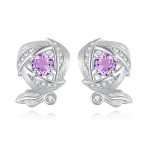 Amethyst Earrings
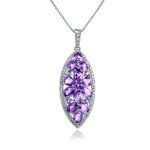 Amethyst Necklaces
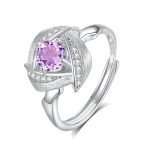 Amethyst Rings
 amethyst crystal healing
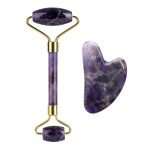 Amethyst Beauty & Wellness
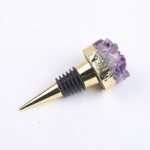 Crystal Home Decor
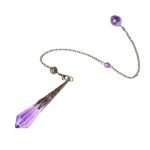 Spiritual & Divination Tools