How to Choose a Real Amethyst Ring for Women: An Honest Buying Guide
Choosing a real amethyst ring for women is about finding something genuine—both in the stone and in what it represents to you. My own journey with amethyst started with a $12 stone labeled “for calm nights.” It wasn’t particularly beautiful, but it was real, and that mattered. This guide is built on that same principle: to give you the practical knowledge to find a genuine stone, understand what you’re paying for, and choose a ring that holds real meaning. We’ll look at amethyst healing properties through a lens of tradition, not medical promise.
Why a Real Amethyst Ring? More Than Just a February Birthstone
Amethyst is the official birthstone for February and the traditional guardian stone for Aquarius, making it a meaningful gift for a personal milestone. But the pull often goes deeper. In tradition, it’s associated with clarity, calm, and sincerity. My own start was simpler: a small stone that felt heavier than it looked. Holding something real, formed over millions of years by a specific chemical process (iron atoms in quartz, activated by natural radiation), creates a different kind of connection than holding something made to look a certain way. This guide is about empowering you to find that connection with confidence.
How to Tell If an Amethyst Ring Is Real: Your 5-Point Checklist
When shopping for real amethyst jewelry for women, a few concrete checks can save you from disappointment. Here’s a practical list I use:
- Color & Zoning: Genuine amethyst gets its purple from trace iron (Fe3+). Its color is rarely perfectly uniform. Look for natural color zoning—slight variations from deep to lighter lavender within the stone. A perfectly, evenly saturated purple can be a sign of dye.
- Weight & Temperature: Amethyst (Mohs hardness 7) is denser than glass or plastic. It should feel cool to the touch when you first pick it up, then gradually warm from your body heat. A light, instantly-warm stone is a red flag.
- Inclusions & Clarity: Tiny “feather” inclusions or slight cloudiness are common in natural stones and are signs of authenticity, not flaws. A completely flawless, glass-clear stone at a low price warrants skepticism.
- Setting & Metal: For metalwork, look for a “925” stamp, indicating sterling silver (92.5% pure silver). This alloy is hypoallergenic and nickel-free, meaning it’s less likely to cause skin reactions or turn your finger green.
- Seller Transparency: Trust sellers who provide clear, accurate photography (WYSIWYG—what you see is what you get) and specify details like stone dimensions and metal type. Vague descriptors like “AAAA grade” without supporting details are a marketing term, not a standardized grade.
For a deeper dive into what defines value, see our amethyst quality and value guide.
What Influences the Price of a Real Amethyst Ring?
The real amethyst ring price can vary significantly. Here’s what actually drives cost:
- Color Depth: The most influential factor. Deep, saturated “Emperor Purple” stones command higher prices than lighter lavender. This often correlates with origin—stones from certain Uruguayan sources tend toward a deeper, more intense purple.
- Stone Size & Quality: Larger carat weight increases price. Clarity (fewer visible inclusions) and a well-executed cut that maximizes color and brilliance also add to the cost.
- Setting & Craftsmanship: The weight of the metal (e.g., a substantial sterling silver band vs. a delicate one), design complexity, and labor involved all contribute to the final price.
- Origin (When Documented): For raw and polished stones, documented origins like Brazil (known for larger stones and varied colors) or Uruguay (known for finer crystals and deeper purple) can influence value. With jewelry, the focus is more on the material and visible quality than a specific mine name.
Remember, a trustworthy price reflects verifiable attributes—color, size, metal, craftsmanship—not unverified grading labels. Learn more about what shapes the value of different geological origins.
Wearing Your Ring: Meaning, Finger Traditions, and Daily Care
Once you have a real ring, how you wear and care for it becomes part of your personal practice.
The Meaning of an Amethyst Engagement Ring
Traditionally, amethyst symbolizes sincerity, peace, and inner strength. Choosing it for an engagement ring can be a personal declaration of these values—a commitment to a calm, honest, and grounded partnership. It’s a beautiful symbolism rooted in history, not a guarantee of any outcome.
Which Finger for Amethyst? A Traditional View
There are folk traditions and astrological beliefs about finger placement. Some say wearing it on the left hand (the “receiving” hand) helps internalize its qualities. In some systems, the index finger is associated with leadership and ambition. These are personal beliefs, not rules. The best finger is simply the one where you’ll enjoy wearing it most.
Caring for Your Amethyst Stone Ring
The most critical care tip is to protect your ring from prolonged direct sunlight. UV radiation can cause the iron ions in amethyst to undergo a change, leading to irreversible fading. A deep purple stone can turn a pale lavender. Store your ring in a box or pouch when not wearing it. For sterling silver settings, a gentle polish with a soft cloth will maintain its shine.
Reframing the “Benefits of Wearing an Amethyst Ring”
When people ask about the benefits of amethyst ring for female wearers, it’s important to frame this as tradition and personal ritual. Many find that wearing a stone associated with calm helps them set an intention for their day or serves as a tactile reminder to pause and breathe. One skeptical friend told me, “I don’t believe in magic, but I believe in having a quiet object to look at instead of my phone.” That’s the essence: it’s a focal point for your own mindfulness, not a magical cure. Explore different amethyst forms and shapes to find what resonates with you.
Choosing Your Ring: A Practical Guide
Now that you have the knowledge, here’s how to apply it to make a choice.
- Define Your ‘Why’: Are you buying a February birthstone gift, a personal amethyst engagement ring, an everyday piece, or a statement cocktail ring? Your purpose will guide your design and budget.
- Assess Your Style: Do you prefer a classic solitaire, a vintage-inspired halo, or a modern cluster? If you’re unsure of your ring size or like flexibility, an adjustable ring is a smart, size-friendly option that eliminates guesswork.
- Set a Realistic Budget: Use the pricing factors above. Decide what you prioritize: a larger stone, a deeper color, or a more intricate metal setting. Let that guide your search.
- Look for Transparency: Shop with sellers who provide clear product photos, specific measurements, and honest descriptions. This lets you apply your checklist from a distance.
Ready to see genuine stones with clear details? Browse real amethyst rings.
Frequently Asked Questions
How can I tell if my amethyst ring is real or glass?
Check the weight (real stone is heavier), the temperature (cool to the touch initially), and the color (look for natural, uneven zoning). Real amethyst may also have tiny, natural inclusions.
What is the meaning of an amethyst engagement ring?
Traditionally, it symbolizes sincerity, peace, and wisdom in a relationship. It’s chosen as a personal statement of these values, not as a guarantee.
Which finger should I wear my amethyst ring on?
Some traditions suggest the left hand for personal reflection or the index finger for ambition. Ultimately, wear it on the finger that feels most comfortable and meaningful to you.
Does wearing an amethyst ring have benefits?
In many traditions, amethyst is associated with calm and clarity. Wearing it can be a personal ritual—a tangible reminder to breathe and focus. These are not medical claims, but a way to connect with an intention you set for yourself.
How much does a real amethyst ring typically cost?
Prices range widely, from under $50 for simple sterling silver settings with smaller stones to several hundred dollars for deep-colored, larger stones in intricate designs. Focus on verifiable attributes like stone color and metal quality rather than marketing terms.
 Crystal Cluster
 Crystal Tower
 amethyst crystal ball
 Amethyst Caves for Sale
 Amethyst Bracelets
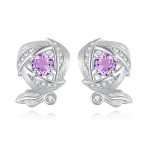 Amethyst Earrings
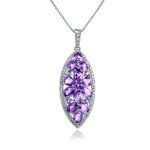 Amethyst Necklaces
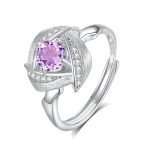 Amethyst Rings
 amethyst crystal healing
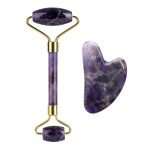 Amethyst Beauty & Wellness
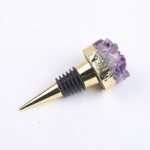 Crystal Home Decor
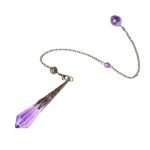 Spiritual & Divination Tools