Birthstone Necklace Amethyst: Choosing February’s Purple Gem
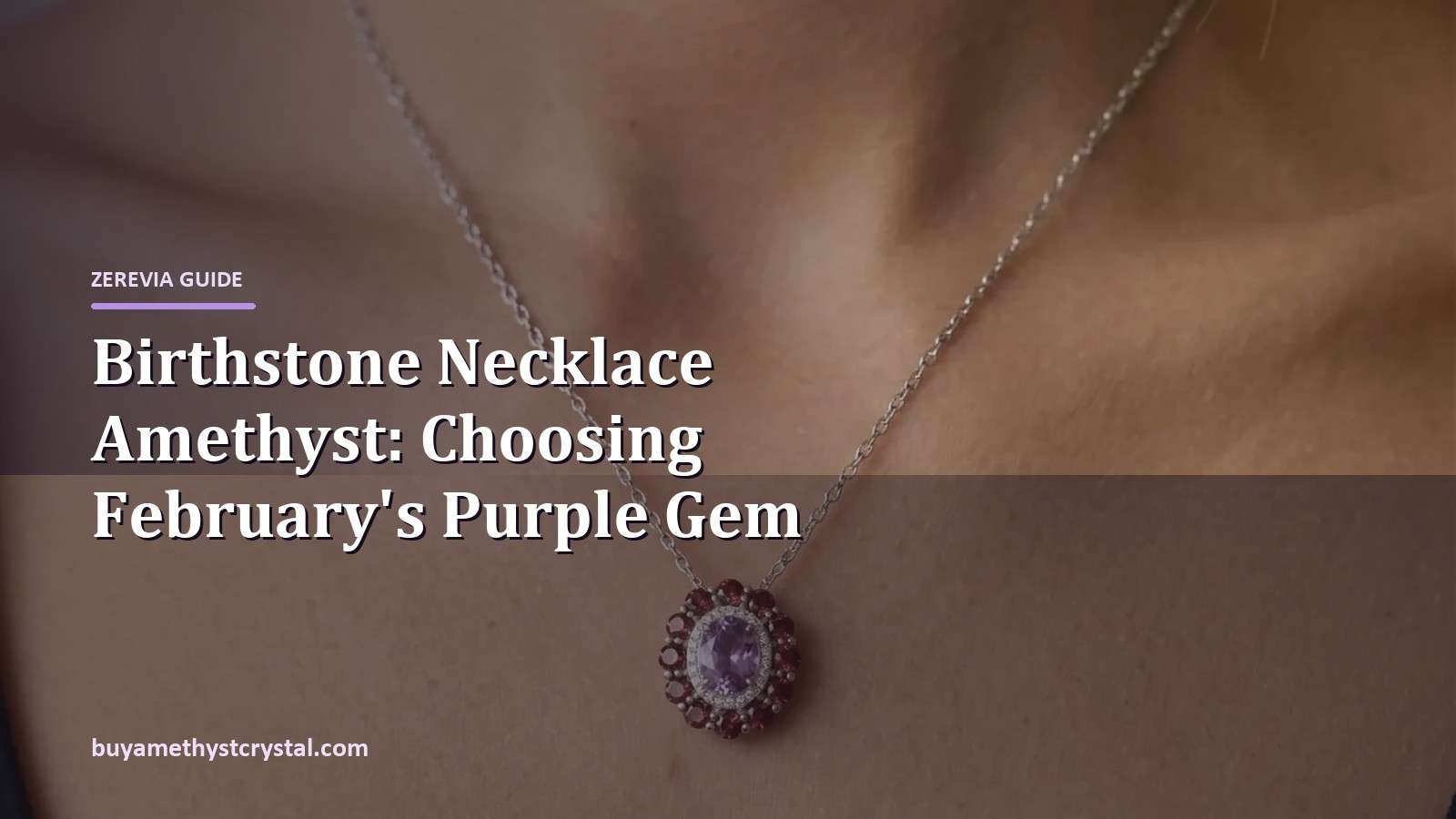
There’s something specific about wearing a stone tied to the month you were born. It’s not about mystical power—it’s about carrying a piece of personal meaning close to your skin. A birthstone necklace amethyst piece does exactly that for anyone born in February. The purple quartz has been February’s official stone for centuries, recognized by organizations like the American Gem Society, and it happens to look quietly elegant against most skin tones and necklines.
I started paying attention to amethyst after buying a $12 specimen at a secondhand shop labeled “for calm nights.” It wasn’t beautiful. The color was pale, the matrix rock was grayish, and it looked like it had been sitting in that wooden box for years. But it was heavier than I expected, and when I held it against my cheek, it was cold in that particular way real mineral is cold. That small, unremarkable stone led me down a path through GIA coursework, mineral shows, and eventually founding Zerevia. So when I talk about choosing a birthstone amethyst necklace, I’m coming from a place of having spent a lot of time looking at what makes amethyst real, what makes it worth wearing, and what questions to ask before you buy.
If you’re shopping for yourself or looking for a meaningful February gift, explore our amethyst birthstone necklaces to see what documented-origin, accurately photographed options look like.
Why is Amethyst the Birthstone for February?
The question “why is amethyst the birthstone for February” comes up a lot, and the answer is rooted in centuries of tradition rather than a single scientific study. Ancient Greeks believed amethyst promoted clarity and temperance—the word “amethyst” itself comes from the Greek amethystos, meaning “not intoxicated.” Over time, various gem traditions assigned stones to calendar months, and amethyst became February’s match.
The American Gem Society (AGS) officially recognizes amethyst as the February birthstone, which gives the association a professional credential beyond folklore. If you’ve searched for “AGS February birthstone amethyst” or “American Gem Society February birthstone amethyst,” you’ll find their listings confirm the pairing. The National Association of Jewelers standardized the modern birthstone list in 1912, and amethyst has held the February spot ever since.
Why does any of this matter when you’re buying a necklace? Because the tradition is part of what you’re wearing. A birthstone necklace isn’t just purple jewelry—it’s purple jewelry that carries a specific, recognized meaning tied to your birth month. That’s what makes an amethyst February birthstone necklace feel different from an ordinary purple pendant.
What’s happening inside the stone is worth knowing, too. Amethyst gets its purple color from trace amounts of iron (Fe³⁺) in the quartz crystal structure, activated by natural radiation over millions of years. It’s a real chemical event, not a metaphor. The purple is literally grown into the stone. If you’re curious about how amethyst forms in different regions, our geological origins guide covers Brazil vs. Uruguay differences in detail.
In traditional crystal practice, amethyst is associated with the third eye and crown chakras, and people have used it in rituals centered on clarity, calm, and focus for centuries. These are traditions, not medical prescriptions—but for many buyers, that layer of meaning is exactly why a birthstone amethyst necklace feels like more than an accessory.
How to Choose Your Amethyst Birthstone Necklace
When you’re shopping for an amethyst necklace birthstone piece, a few specific details separate a necklace you’ll reach for daily from one that sits in a drawer. Here’s what to look at:
Color Depth
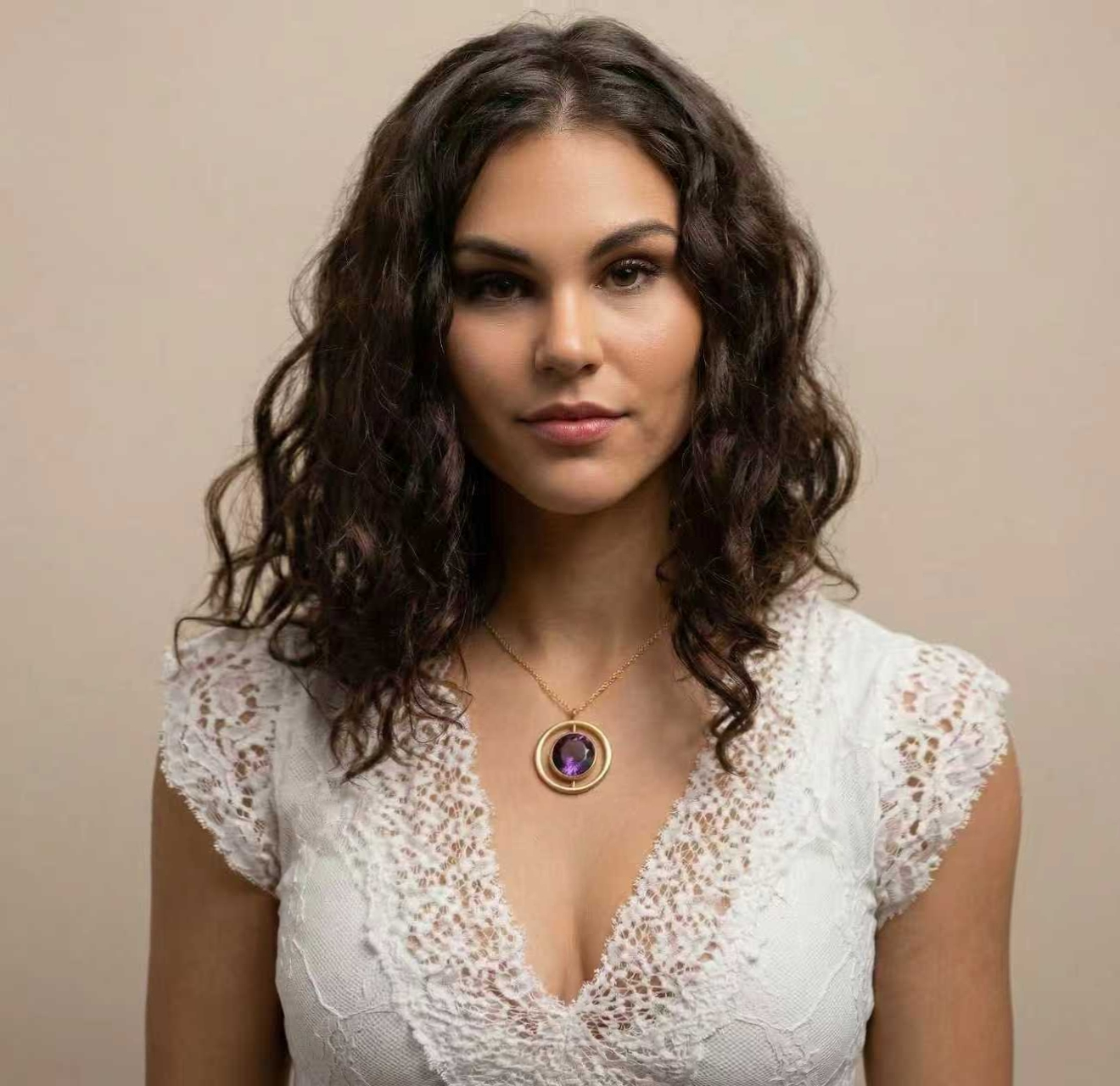
Amethyst ranges from pale lavender to deep, near-blue emperor purple. Neither end is inherently better—it depends on what you want. Lavender tones are subtle and pair easily with casual outfits. Medium purple is the classic birthstone shade most people picture. Deep violet reads as richer and more dramatic, and it tends to photograph beautifully.
A few years ago, I was at a mineral show asking a dealer about the difference between Brazilian and Uruguayan amethyst. He spent twenty minutes walking me through it: Brazilian amethyst tends toward larger formations with a wider color range, while Uruguayan material is often deeper and more saturated. He was right about the color comparison—and I’ve carried that information into every product decision at Zerevia since. When we describe an amethyst piece, we describe the actual color rather than using grading terms like “AAAA,” because those terms don’t have a standardized definition in the gem industry.
Metal Setting
For everyday wear, 925 sterling silver is the practical standard. It’s 92.5% silver alloyed with 7.5% copper, stamped with a “925” mark, and it won’t trigger nickel allergies—important if you’ve ever had a ring turn your finger green. All Zerevia jewelry uses 925 sterling silver with 100% natural amethyst, which means you get a piece that’s safe for sensitive skin without the markup of solid gold.
Some buyers compare options across brands. If you’ve looked at something like a Pandora amethyst birthstone ring, you’ll notice the emphasis on branded settings and standardized sizing. A standalone amethyst necklace pendant offers a different value: the stone itself gets more visual real estate, and the styling is more flexible.
Pendant Style
Common styles for amethyst birthstone necklaces include:
- Solitaire pendants — A single faceted or cabochon stone, usually in a simple bezel or prong setting. Clean, minimal, works with everything.
- Teardrop and pear cuts — Elongated shapes that catch light differently and tend to flatter the neckline.
- Cluster or halo designs — A center stone surrounded by smaller accent stones. More visual presence, often chosen for gifts.
- Raw or natural-cut pendants — Less polished, more organic. These let you see color zoning—the natural variation in purple intensity that proves the stone isn’t synthetic.
For a deeper look at how amethyst is cut and shaped for different uses, our amethyst forms and shapes guide walks through the options. And if you want to understand what affects amethyst pricing—color saturation, clarity, size, and cut quality—our quality and value guide covers it without relying on meaningless grade labels.
Size and Chain Length
Pendant size matters more than most people expect. A 6mm stone reads as subtle and professional; a 10mm stone has presence; anything above 12mm starts to become a statement piece. Think about where you’ll wear it most often. Chain length typically ranges from 16 inches (choker territory) to 20 inches (below the collarbone). Many necklaces come with an adjustable extender, which takes the guesswork out of it.
Caring for Your Amethyst Necklace
Amethyst birthstone necklaces are durable enough for daily wear—amethyst is a 7 on the Mohs hardness scale, which means it resists scratches from most everyday contact. But there’s one care rule that matters more than any other: keep it out of prolonged direct sunlight.
I learned this the hard way through a buyer who placed her crystal on a south-facing windowsill. After a few months of afternoon sun exposure, her deep purple piece had faded to lavender. The cause is the same Fe³⁺ ion that creates the color in the first place—UV radiation reverses the natural process, and the color change is permanent. Her crystal was still genuine, still real amethyst, but that particular shade of deep violet was gone for good.
For necklaces, the risk is lower than for a piece sitting on a windowsill, but it’s worth developing a habit: take your necklace off before sunbathing, don’t leave it on a sunny dashboard, and store it in a soft pouch or jewelry box when you’re not wearing it. Clean it with lukewarm water and a soft cloth—no ultrasonic cleaners, no harsh chemicals. Sterling silver will naturally tarnish over time; a silver polishing cloth handles that easily.
If you want to explore the broader conversation around amethyst traditions and practical uses—how people have used it in personal rituals, what it’s been associated with historically—our guide to amethyst’s properties and traditional uses covers that territory with the right level of honesty about what’s tradition and what’s proven.
Frequently Asked Questions About Amethyst Birthstone Necklaces
Why is amethyst the birthstone for February?
Amethyst has been associated with February since ancient gem traditions assigned stones to each calendar month. The connection traces back to Greek associations with clarity and temperance. The American Gem Society (AGS) formally recognizes amethyst as the February birthstone, and the modern standardized birthstone list—established in 1912 by the National Association of Jewelers—has kept it there. So when people ask “why is amethyst the birthstone of February” or “why is amethyst february birthstone,” the answer is a combination of centuries-old tradition and professional gemological recognition.
How do I know if an amethyst birthstone necklace is real?
A few practical checks work for jewelry, too. Real amethyst is heavier than glass or plastic of the same size. Press the stone against your skin—genuine mineral feels cool at first contact, then gradually warms. Look at the color: natural amethyst has color zoning, meaning the purple isn’t perfectly uniform. Some areas are lighter, some darker, sometimes with white or clear patches. Perfectly even purple throughout can be a sign of synthetic or dyed material. At Zerevia, we use 100% natural amethyst and describe each piece accurately, so what you see in the photos is what arrives at your door.
What styles are popular for amethyst February birthstone necklaces?
Solitaire pendants in sterling silver remain the most popular choice—they’re versatile enough for daily wear and don’t compete with other jewelry. Teardrop and pear-shaped cuts are close behind, especially as gifts, because the shape feels intentional and the faceting catches light well. For buyers who want something with more character, raw or natural-cut pendants show off amethyst’s color variation in a way faceted stones don’t. Cluster and halo designs work well for statement pieces or special occasions. All of these come in 925 sterling silver settings with nickel-free construction, so skin sensitivity isn’t an issue regardless of style.
Is a birthstone necklace a good gift for someone born in February?
It’s one of the more thoughtful gifts you can give, because it’s specific. You’re not just giving purple jewelry—you’re giving a stone with a recognized connection to their birth month. It arrives with meaning already built in. If you’re choosing a birthstone amethyst necklace as a gift, look for pieces that come in a gift-ready box with a meaning card, and consider whether the recipient prefers minimal or statement styling.
Find Your Perfect Birthstone Necklace
Browse Zerevia’s collection of amethyst birthstone necklaces—100% natural amethyst, 925 sterling silver, accurately photographed, and ready to wear or gift. Each piece ships with care guidance so you know exactly how to keep that purple looking the way it should.
 Crystal Cluster
 Crystal Tower
 amethyst crystal ball
 Amethyst Caves for Sale
 Amethyst Bracelets
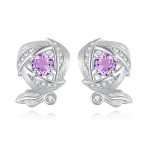 Amethyst Earrings
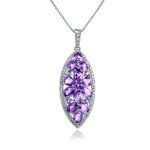 Amethyst Necklaces
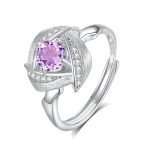 Amethyst Rings
 amethyst crystal healing
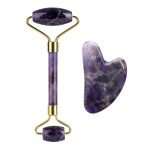 Amethyst Beauty & Wellness
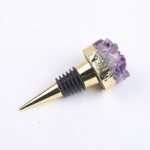 Crystal Home Decor
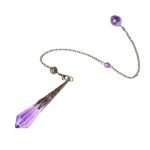 Spiritual & Divination Tools