
The CyberPowerPC Amethyst 240V Mid Tower Gaming Case and the Crystal Behind the Name
If you searched for the CyberPowerPC Amethyst 240V Mid Tower Gaming Case, you’re probably looking for specs, pricing, or reviews of a purple-themed PC chassis. Fair enough. But if you’re wondering why a gaming company chose the word “amethyst” for its product — or if that word made you curious about the actual stone — you’re in the right place. This is a crystal website, not a hardware store. But the connection is more interesting than it first appears.
Why a Gaming Case Borrows the Name ‘Amethyst’
The CyberPowerPC Amethyst 240V Mid Tower Gaming Case is, at its core, a PC chassis built around a purple aesthetic. The name works because “amethyst” is one of the most recognizable purple words in the English language. Tech brands do this constantly — borrowing gemstone names to signal color, rarity, or a certain kind of considered quality. You see it in phone colorways, car paint options, cosmetics lines, and consumer electronics.
There’s a reason the word carries more weight than simply saying “purple.” Amethyst is a specific thing — a mineral with a chemical composition, a geological origin, and thousands of years of cultural meaning behind it. When a brand names a product after it, they’re borrowing all of that context, even if the product itself has nothing to do with quartz or crystallography.
If that kind of specificity interests you, here’s what makes amethyst purple in the first place — the answer involves iron, radiation, and a few million years.
The Real Amethyst: What the Gemstone Actually Is
Amethyst is natural silicon dioxide — SiO₂ — the same base mineral as rock crystal, citrine, and agate. What makes it purple is trace amounts of ferric iron (Fe³⁺) embedded in the quartz crystal lattice. When those iron atoms are exposed to natural background radiation over geological time, they produce the purple color that ranges from pale lavender to deep, almost navy-adjacent emperor purple.
On the Mohs hardness scale, amethyst scores a 7. That’s hard enough to scratch glass and durable enough for everyday jewelry and display pieces. The color isn’t painted on or dyed — it’s structural, grown into the crystal over millions of years.
I remember the night I finished the GIA coursework unit on color mechanisms. The idea that a specific ion, activated by radiation over an incomprehensible timespan, could produce something you hold in your hand — it was the first time I found mineralogy genuinely moving. Not mystical. Just specific. There’s a real chemical reason this stone is purple, and that felt more satisfying than any story about cosmic intention.
The origin matters, too. Brazilian deposits — particularly around Ametista do Sul — tend to produce larger specimens with a wider color range, from soft lavender to medium purple. They’re often the more accessible option, and the size makes them ideal for statement pieces and geodes. Uruguayan amethyst, by contrast, tends toward smaller, denser crystals with deeper, more saturated color. That near-black deep purple that people associate with the finest amethyst? It mostly comes from Uruguay. I’ve explained this comparison to buyers so many times that I usually start with one question: do you want something big, or do you want something with the deepest possible color? The answer tells you which origin fits.
For a deeper comparison, our guide to amethyst geological origins covers the major producing regions in detail. And if you’re curious about how different crystal forms look in practice — raw geodes, polished towers, tumbled stones — the amethyst forms and shapes guide is a good starting point.
What ‘Amethyst’ Has Meant Across History
The word comes from the Greek amethystos, traditionally translated as “not intoxicated.” Ancient Greeks and Romans associated the stone with clear thinking and sober judgment — they believed, in tradition, that wearing it or drinking from amethyst cups could prevent drunkenness. Whether that was metaphor or literal belief depends on which century you’re reading about.
In traditional crystal practice, amethyst is linked to the third eye and crown chakras — the energy centers associated, in Indian philosophical tradition, with intuition and expanded awareness. These are cultural and ritual associations, not medical claims. But they’re part of why the name carries the weight it does. When a product designer reaches for the word “amethyst,” they’re reaching for centuries of accumulated meaning about clarity, composure, and a kind of quiet inner focus.
Amethyst is also the official February birthstone and the traditional guardian stone for Aquarius, covering those born between January 20 and February 18. This makes it one of the most gift-relevant gemstones in the calendar — a natural fit for birthday jewelry, Valentine’s Day, and personal milestone gifts.
These layered associations — historical, traditional, personal — are exactly why the name shows up on everything from ancient wine goblets to modern gaming hardware. The word carries more than color. It carries a story. If you want to explore the traditional associations and cultural meaning of amethyst, that page covers the history and modern ritual uses without the exaggerated claims you’ll find elsewhere.
Purple in Product Design: Why the Color Keeps Showing Up
Purple has always been an unusual choice in product design — and that’s exactly the point.
Historically, purple dye was expensive. Tyrian purple, extracted from sea snails in the ancient Mediterranean, was so costly that it became associated with royalty and rarity. That association has never fully faded. Even now, purple signals something slightly outside the mainstream — creativity, individuality, a willingness to stand apart from the black-silver-grey palette that dominates consumer electronics.
When a company like CyberPowerPC names a case “Amethyst,” they’re making a design statement. The word carries more specificity than “purple.” It implies something natural, something with texture and depth. It suggests that someone on the product team made a deliberate choice rather than just picking a color swatch.
This same impulse drives the popularity of pink amethyst in home decor. Pink amethyst — a natural quartz variety often sourced from Patagonia, Argentina — has become a trending search term in the crystal and interior design space. It’s softer than traditional violet amethyst, more muted, and it photographs well on a shelf or desk. The pink amethyst tower meaning, in traditional practice, is associated with gentle emotional calm and intentional focus. That’s cultural language, drawn from long tradition — not medical advice. But part of why people buy them is simpler: they’re distinctive objects that occupy visual space the way a good piece of design does.
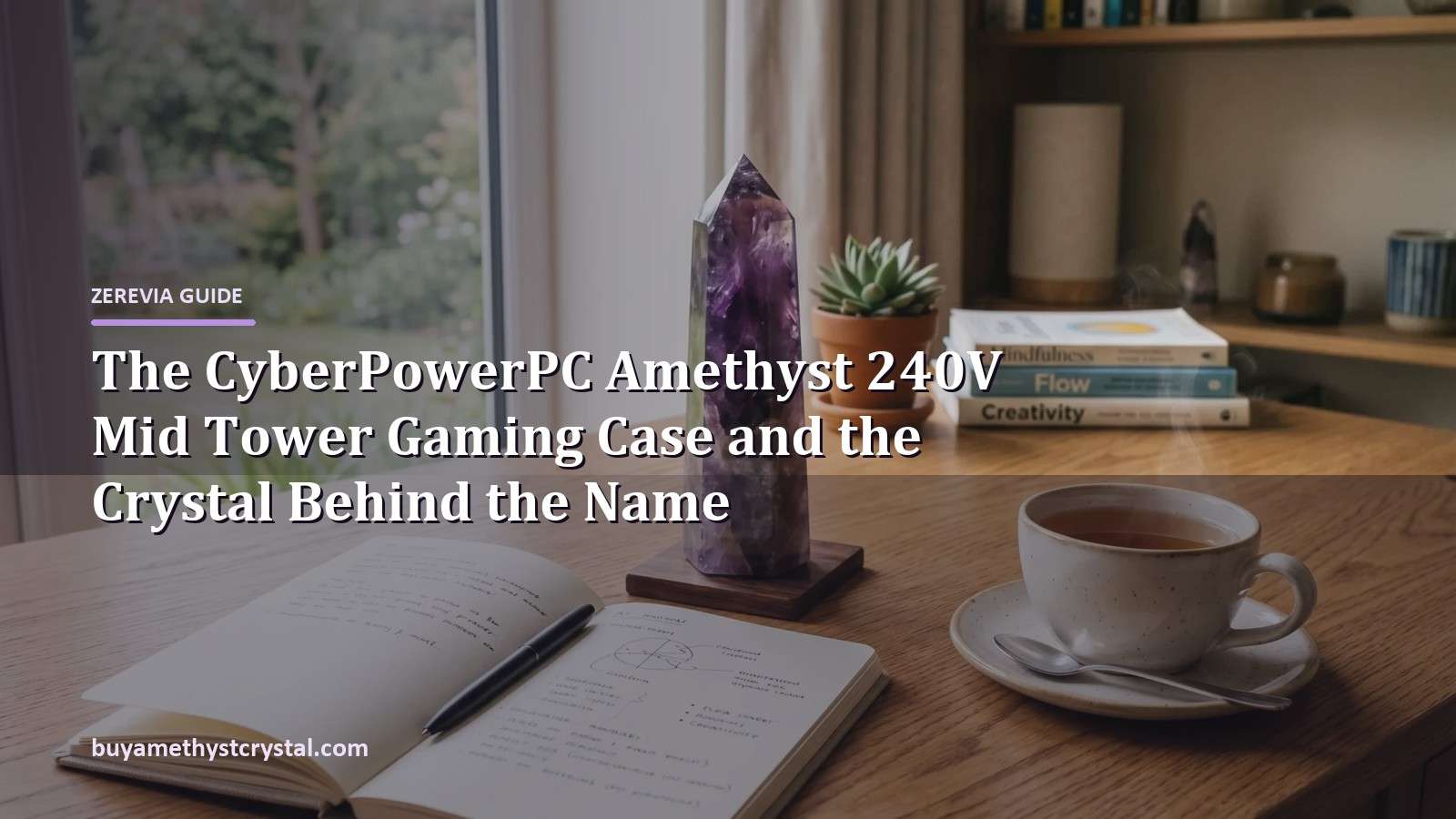
Crystal towers — polished, pointed forms carved from natural stone, flat on the bottom and tapering to a point — work in a space the way a sculpture or a well-chosen lamp does. They give the eye something specific to land on. Whether you believe in traditional crystal associations or simply like the way a deep purple stone catches afternoon light on your desk, the draw is real.
For understanding what separates one piece from another — color depth, clarity, origin, and size — our amethyst quality and value guide breaks down the actual criteria without invented grading systems.
If You Came Here for the Case — and Stayed for the Stone
You searched for a gaming case. That’s fine — we don’t sell PC hardware here. But if the name caught your eye, and if any of this made you curious about what actual amethyst looks and feels like, there’s a simple path in.
It doesn’t have to be a big commitment. A small tumbled stone for your desk. A crystal tower for a shelf. A geode for the living room — something with weight and presence that makes a quiet visual statement. Or if you’re shopping for someone with a February birthday, a piece of amethyst jewelry set in 925 sterling silver.
At Zerevia, we work with documented-origin amethyst and photograph each piece individually — what you see in the listing is what arrives at your door. No stock photos, no mystery grading systems. You choose by shape, size, color depth, and where you want to put it.
Start by browsing amethyst forms and shapes to find what fits your space and your budget. There’s no rush. The stone has been around for a few million years — it can wait another day.
FAQ: Amethyst — From Product Names to Real Stones
What is the CyberPowerPC Amethyst 240V Mid Tower Gaming Case?
It’s a mid-tower PC chassis from CyberPowerPC with a purple-themed design. The “Amethyst” name is borrowed from the gemstone purely for its color association — the case doesn’t contain any actual amethyst. If you’re looking for real amethyst, you’re in the right place for that instead.
Why do so many products use the name ‘amethyst’?
Amethyst is one of the most widely recognized gemstone and color words in English. It signals purple with cultural weight — associations with rarity, clarity, and individuality that trace back to ancient Greece. Using “amethyst” instead of just “purple” gives a product name more depth and specificity. That’s why you see it on phone cases, cosmetics, car paint, and gaming hardware alike.
What does a pink amethyst tower mean?
Pink amethyst is a natural variety of quartz, often sourced from Patagonia in Argentina. It’s softer in color than traditional violet amethyst — more blush than deep purple. A “tower” is a crystal that’s been polished into a tall, pointed form, flat on the bottom and tapering to a point at the top. In traditional crystal practice, pink amethyst towers are associated with gentle emotional calm and focused intention. These are cultural meanings, drawn from long tradition — not medical claims. Many people simply choose them because they’re distinctive, attractive objects that look good on a desk or shelf.
Is real amethyst expensive?
It depends on what you’re looking at. Small tumbled stones — the kind you can hold in your palm — are very accessible. Large geodes with deep, saturated purple color from Uruguay cost more. There’s no universal grading system for amethyst despite what some sellers claim. Instead of looking for letter grades, ask about origin, check the color depth in photos, and look for sellers who provide documented sourcing information. Our amethyst quality and value guide covers what actually matters.
How can I tell if my amethyst crystal is real?
A few practical checks: genuine quartz is heavier than glass or plastic of the same size. If you press it against your skin, real stone feels cool initially and warms slowly — glass is cool too, but it warms faster and more evenly. Look at the color: natural amethyst shows color zoning, meaning the purple isn’t perfectly uniform. Some areas are deeper, some lighter, and there may be white or translucent patches. Perfectly even purple throughout can be a sign of synthetic or dyed material. The most reliable step is buying from a seller who documents the stone’s origin and photographs each piece individually.
 Crystal Cluster
 Crystal Tower
 amethyst crystal ball
 Amethyst Caves for Sale
 Amethyst Bracelets
 Amethyst Earrings
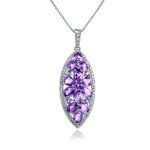 Amethyst Necklaces
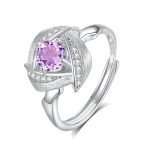 Amethyst Rings
 amethyst crystal healing
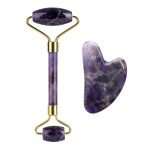 Amethyst Beauty & Wellness
 Crystal Home Decor
 Spiritual & Divination Tools