Value of Amethyst Per Carat: A Practical Guide to Pricing and Quality
If you’ve been searching for the value of amethyst per carat, you’ve probably noticed something frustrating: the answers are all over the place. One site says a few dollars per carat. Another lists stones at ten times that. Neither explains why.
The honest answer is that amethyst doesn’t have a single per-carat price the way some gemstones do. Its value depends on a handful of specific, measurable factors—color depth, clarity, origin, form, and weight—and those factors interact differently depending on whether you’re buying a raw crystal for your shelf, a geode for your living room, or a faceted stone set in a ring.
This guide walks through each factor so you can evaluate amethyst price claims with the same criteria a careful buyer would use. No grading jargon that means nothing. Just the details that actually matter.
The First Question: What Are You Actually Buying?
Before you can make sense of any per-carat figure, it helps to ask what form of amethyst you’re looking at. The value of amethyst per carat applies very differently to a loose faceted gemstone than it does to a cathedral geode sitting on a pedestal.
For loose, faceted stones—gemstones cut for jewelry—the per-carat metric is most relevant. Jewelers and gem dealers use it to compare similar-quality stones. But even here, there’s no universal grading system like the one diamonds have. Terms like “AAA” or “AAAA” are seller-specific labels with no agreed-upon definition. I’ve seen sellers mark everything they carry as AAAA, because there’s no standard to hold them against.
For raw specimens—clusters, points, geodes, tumbled stones—the pricing is more holistic. A seller considers the overall visual impact, the specimen’s form, color saturation, and size as a whole piece. Weight matters, but it’s one input among several.
For jewelry, the amethyst is one component. The metal (typically 925 sterling silver for accessible pieces), the design, the setting craftsmanship—these all contribute to the final price. You’re not just paying for a stone by weight.
Understanding this context is the first step. The next is knowing which specific qualities push amethyst price up or down. For a deeper breakdown of grading language, our amethyst quality and value guide covers that territory in detail.
The 5 Factors That Determine Amethyst Value
When someone asks how much amethyst is worth, the answer depends on these five factors. Think of them as a framework you can apply to any listing, any seller, any piece.
Color
Color is the single biggest driver of amethyst value. The most sought-after shade is a deep, saturated purple—sometimes called “Siberian purple” or “emperor purple”—that carries reddish-blue flashes within the purple body color. This deep saturation commands higher prices than lighter lavender tones.
But depth alone isn’t the whole story. Even saturation matters. A stone with patches of very deep purple next to nearly colorless zones has lower value than one with consistent color throughout. That said, natural color zoning—the uneven distribution of color you see inside most genuine amethyst—is a sign of authenticity, not a flaw. The purple comes from trace amounts of Fe³⁺ (iron ions) activated by natural radiation over millions of years. A stone with perfectly uniform purple throughout should raise questions, not excitement.
For a fuller discussion of what affects color quality, the amethyst properties guide covers the science behind the color in more depth.
Clarity
In faceted gemstones, clarity refers to how free the stone is from inclusions visible to the naked eye. Clean, transparent stones with minimal visible flaws are valued higher.
For raw specimens and clusters, the standard is different. Feather-like inclusions, needle-shaped goethite crystals, and slight cloudiness are natural and expected. They can actually confirm that the stone is natural rather than lab-created. Heavy cloudiness that obscures the crystal’s transparency does lower value, but minor inclusions in an otherwise vivid specimen are part of the stone’s character.
Cut and Form
For faceted stones, precision cutting means better light return and more visual depth. Symmetry, proportions, and polish quality all contribute.
For raw specimens, value comes from natural termination (a complete, undamaged crystal point), overall form, and how the piece presents visually. A well-formed cluster with sharp, clean points on a contrasting matrix rock is more desirable than a mass of broken tips.
Carat and Weight
Here’s where the per-carat question gets interesting: amethyst pricing is not linear. A 50-carat stone is not five times the price of a 10-carat stone of equal quality. Larger, high-quality amethyst is rarer than smaller pieces, so the per-carat rate increases with size—but it scales gradually, not in a straight line.
For raw specimens sold by the piece, weight is one component of a holistic evaluation. A massive geode with pale, washed-out color may be worth less per pound than a compact Uruguayan cluster with deep purple crystals an inch long.
Origin
Documented origin is a significant value factor, particularly for collectors and informed buyers. Brazilian amethyst—largely from the Ametista do Sul region—tends toward larger formations with color ranging from lavender to medium purple. It’s accessible and offers good visual impact for the price.
Uruguayan amethyst is known for tighter crystal structure and significantly deeper color. That near-black purple, saturated all the way through, with fine crystal faces—most of it comes from Uruguay. It costs more, but when you set a Uruguayan specimen next to a comparably priced Brazilian one, the difference in color depth is visible within seconds.
Neither is inherently better. The question is what you want: a large piece with softer color for a living room display, or a smaller piece with intense, concentrated purple for a desk or nightstand. For more on how origin shapes the stone, our amethyst geological origins guide goes deeper into regional differences.
Why “Price Per Carat” Varies So Wildly: Context Matters
Let’s make this concrete with three scenarios.
A tumbled stone for a crystal grid. You’re buying a small, polished palm stone—maybe 15 to 30 grams. The per-carat price is low because these are produced in volume from common material. The value is in the ritual use, the tactile feel, and the accessibility. Nobody is evaluating this stone for collector-grade color depth.
A cathedral geode for a living room. Here you’re paying for visual impact, documented origin, crystal density on the interior walls, and the overall presence of the piece. Weight matters, but a 50-pound geode with pale crystals may sell for less than a 30-pound geode with deep, saturated purple lining every cavity. The per-carat metric is almost irrelevant; what matters is the whole piece.
A faceted amethyst set in a sterling silver ring. Now the gemstone is a component in a finished product. The 925 sterling silver setting, the design, the craftsmanship of the setting, the packaging—these all contribute to the final price. The amethyst’s per-carat value is one thread in a larger cost structure.
This is why searching for a single “amethyst price per carat” number will keep giving you contradictory results. The number only means something when you know the context: what form, what quality, what purpose. For a closer look at the different forms amethyst comes in, our amethyst forms and shapes guide covers everything from geodes to faceted gems.
Red Flags and Green Lights: How to Evaluate a Seller’s Claims
Knowing the value factors is useful. Knowing how to apply them to a real listing is what protects your money. Here’s a quick amethyst buying guide for evaluating what a seller tells you.
Green Lights
- Specific weight and dimensions. A seller who lists the exact weight in grams or carats and the height, width, and depth in inches or centimeters is giving you real data to work with.
- Accurate photography (WYSIWYG). Multiple photos from different angles, under consistent lighting, showing natural color variation and any inclusions. For raw specimens, this is the standard that matters most—what you see is what you get.
- Documented origin. A seller who states “Uruguayan amethyst” or “Brazilian amethyst” and can describe the sourcing is giving you information that affects value directly.
- Care guidance included. A seller who mentions UV fading risk is showing they understand the material they’re selling.
Red Flags
- Vague grade labels without specifics. “AAAA grade” or “AAA quality” with no accompanying description of color depth, clarity, or origin means nothing. These terms have no standardized definition.
- No mention of care. If a seller doesn’t warn about sunlight exposure and UV fading, they may not understand—or may not care about—the product after it ships.
- Stock photos instead of individual shots. For unique items like geodes and clusters, a single generic photo doesn’t tell you what you’ll actually receive.
- Suspiciously uniform color. Real amethyst has natural variation. If every piece in a seller’s shop looks identically purple, ask questions.
A Simple Authenticity Check
If you have the stone in hand, there are a few things you can check yourself. Real amethyst should feel cool against your skin when you first touch it—it warms slowly, unlike glass, which shifts to body temperature faster. At Mohs hardness 7, genuine amethyst can scratch glass. And natural color distribution is almost always uneven: some areas deeper, some lighter, sometimes with white or transparent zones. That unevenness is the signature of a stone that formed over millions of years, not one that was mass-produced.
I learned this the hard way before I knew what to look for. The first amethyst I ever bought had a handwritten label and a $12 price tag. It wasn’t a showpiece, but it was real—and that small, imperfect stone is what sent me down a path of studying Fe³⁺ color mechanics, visiting mineral shows, and eventually completing GIA gemology coursework. The quality checks above come from that kind of firsthand experience, not from a textbook.
Protecting Your Investment: Amethyst Care and Long-Term Value
Understanding the value of amethyst per carat only matters if the stone holds that value over time. One factor can undo everything else: sunlight.
Prolonged exposure to direct UV radiation causes the Fe³⁺ ions responsible for amethyst’s purple color to undergo an irreversible change. The purple fades. Not gradually, not temporarily—permanently. I found this out when a buyer messaged me about a crystal point she’d placed on a south-facing windowsill. Two hours of direct afternoon sun each day had turned her deep emperor purple into a soft lavender over several months. The stone was still genuine, still amethyst, but the color that made it valuable was gone.
The rule is simple: keep amethyst out of direct sunlight. Display it on a shelf, a desk, a nightstand—anywhere the sun doesn’t hit it directly for extended periods.
For cleaning, lukewarm water with mild soap and a soft cloth is all you need. Avoid harsh chemicals and ultrasonic cleaners, especially for raw specimens where surface features are part of the value. Store pieces separately from harder gems (anything above 7 on the Mohs scale) to prevent scratching.
These aren’t complicated steps, but they’re the difference between a piece that keeps its color for decades and one that fades within a season. For a full breakdown of cleaning and ritual care practices, our amethyst care and cleansing guide covers safe methods in detail.
Frequently Asked Questions
Is there a standard grading system for amethyst value?
No. Unlike diamonds, which have the GIA’s universally recognized grading system, amethyst has no internationally accepted grade standard. Terms like A, AA, AAA, and AAAA are seller-specific labels. One seller’s AAAA might be another’s AA. Instead of relying on grade labels, evaluate the five core factors: color, clarity, cut, weight, and documented origin. Ask for specifics—a seller who can describe color depth, show multiple photos, and state the stone’s origin is giving you more useful information than any letter grade.
Does deeper purple always mean higher value?
Generally, yes—up to a point. The most valued amethyst color is a deep, saturated purple with reddish-blue secondary tones, sometimes called Siberian or emperor purple. But “deeper” isn’t the same as “better” if the color is uneven or muddy. Even saturation and color purity matter as much as raw darkness. A medium-purple stone with excellent clarity and even color can be worth more than a very dark stone with visible cloudiness. And lighter lavender shades still have genuine value, especially in jewelry where the stone is part of an overall design.
What’s the difference between per-carat value for a crystal point vs. a piece of jewelry?
For a raw crystal point or cluster, value is evaluated holistically—size, form, color saturation, crystal termination quality, and matrix presentation all contribute. Weight is one factor in a bigger picture. For a piece of jewelry, the amethyst is a component in a finished product. The metal (925 sterling silver is standard for accessible pieces), the setting design, the craftsmanship, and even the packaging contribute to the final price. A faceted amethyst in a well-designed ring might cost more than a raw stone of the same weight, but you’re buying the complete piece, not just the gem.
Next Steps
The value of amethyst per carat isn’t a single number—it’s a set of criteria you can learn to evaluate on your own. Color depth, clarity, origin, form, and weight are the factors that matter. Context determines how they combine.
Ready to see these differences in person? Compare documented-origin amethyst across different forms—raw clusters, faceted jewelry, geodes—and find the piece that fits your space and your style.
 Crystal Cluster
 Crystal Tower
 amethyst crystal ball
 Amethyst Caves for Sale
 Amethyst Bracelets
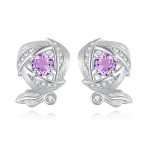 Amethyst Earrings
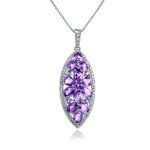 Amethyst Necklaces
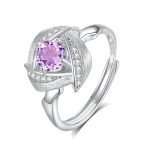 Amethyst Rings
 amethyst crystal healing
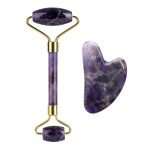 Amethyst Beauty & Wellness
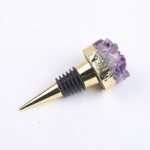 Crystal Home Decor
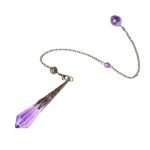 Spiritual & Divination Tools