Amethyst Cluster Crystals: How to Choose, Identify, and Care for Real Clusters
If you are looking at amethyst cluster crystals for the first time, you probably have a few questions: Is this real? What does it mean? How do I take care of it? And how do I know I am getting what I am paying for?
Those are the right questions. Clusters are one-of-a-kind pieces — no two are identical — and the difference between a well-chosen cluster and a disappointing one often comes down to knowing what to look for before you buy.
This guide covers what amethyst clusters are, how to distinguish a real one from a fake, what they mean in crystal tradition, how to clean and care for them, and how to choose the right one for your space.
What Is an Amethyst Cluster Crystal?
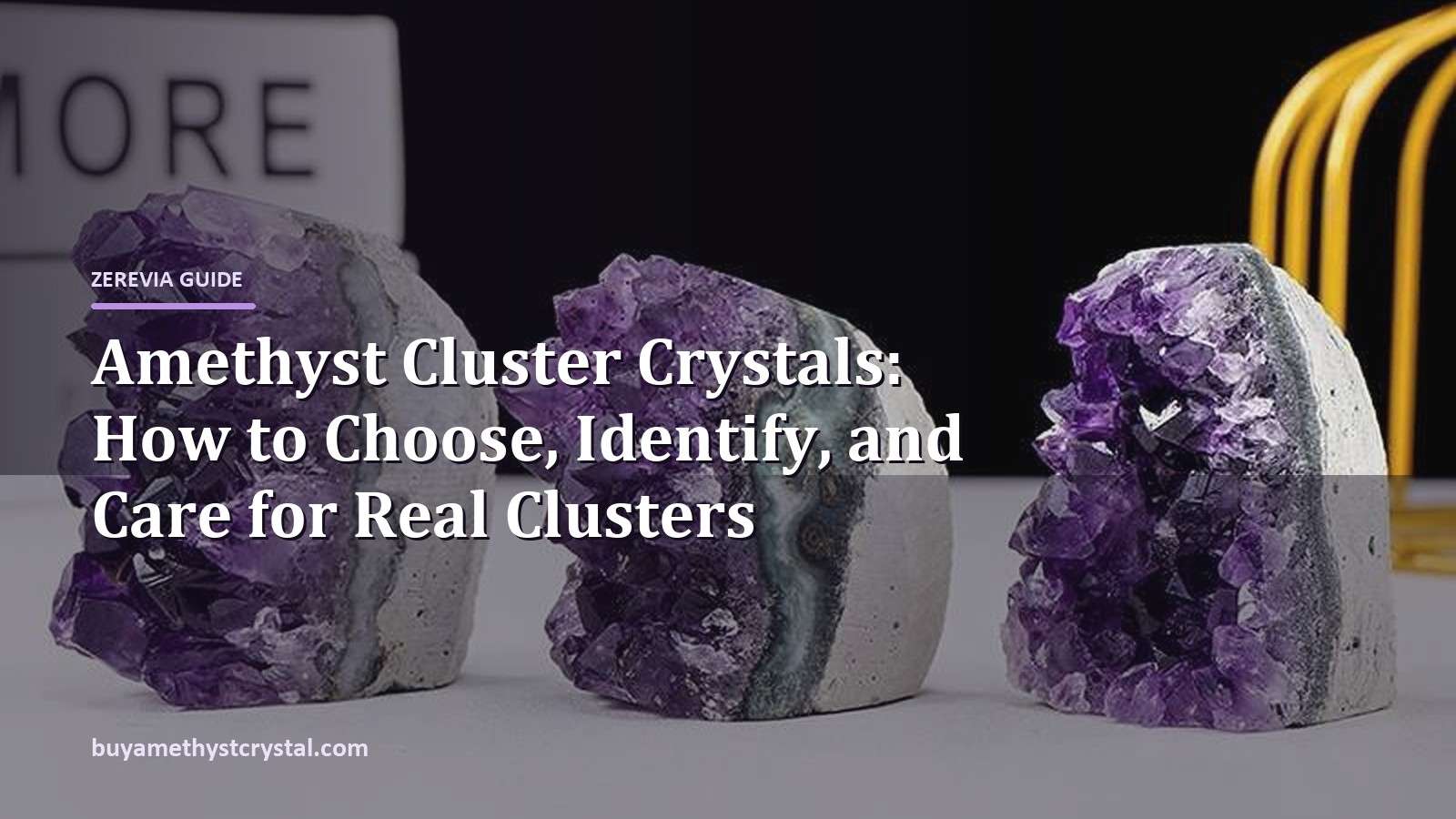
An amethyst cluster is a formation where multiple amethyst crystals grow upward from a shared base of matrix rock — usually basalt. Unlike a geode, which is hollow with crystals lining an interior cavity, a cluster is solid. The crystals sit on top of and beside each other, all connected to the same stone base.
Clusters come in a wide range of sizes and styles. Some are dense, cathedral-shaped formations with crystals packed tightly together. Others are flat plate clusters with crystals spread across a broader surface. There are small accent pieces that fit in the palm of your hand and large statement pieces that stand on the floor.
The two most common documented origins for amethyst clusters are Brazil and Uruguay. Brazilian clusters tend to be larger with a wider color range — from soft lavender to medium purple — and they are generally more affordable per pound. Uruguayan clusters are known for denser crystal formation and deeper, more saturated purple, sometimes reaching near-emperor-purple tones.
Because each cluster is unique, what-you-see-is-what-you-get photography matters. At Zerevia, every natural amethyst cluster is photographed individually so you know exactly which piece you are receiving. If you want to understand how clusters compare to other crystal forms like points, spheres, or tumbled stones, our forms and shapes guide covers the differences.
Amethyst Cluster Crystal Meaning
The amethyst cluster crystal meaning in Western and Eastern crystal traditions is shaped by two things: the mineral itself and the formation.
Amethyst has been associated with calm, clarity, and a restful atmosphere since at least the ancient Greeks, who linked the stone to sobriety and clear thinking. In modern crystal tradition, it is broadly connected with tranquility, focus, and — for some people — sleep support.
The cluster form adds another layer. Because multiple crystals grow together from a single base, clusters are traditionally seen as symbols of community, collective energy, and amplified intention. In traditional practice, people place clusters in living rooms, bedrooms, or meditation spaces as anchors — a visual and physical point of stillness in a room. Some practitioners use a cluster as a charging station for smaller tumbled stones, resting them on or near the larger formation between uses.
Crystal tradition assigns amethyst to two energy centers drawn from Indian philosophical systems: the third eye (Ajna), located between the eyebrows and associated with intuition and insight, and the crown (Sahasrara), at the top of the head and associated with broader awareness. These are traditional associations rooted in a specific cultural framework, not medical claims. If you are curious about the deeper tradition, our amethyst healing properties guide explores this further.
Amethyst is also the official February birthstone and is associated with Aquarius (January 20 through February 18) in Western astrology — which makes an amethyst crystal cluster meaning for many gift buyers something deeply personal. A cluster given for a February birthday or a milestone in that window carries a specific, date-based intention.
One practical thing I have come to appreciate about amethyst cluster healing mineral crystals: even if you do not subscribe to any spiritual framework, a cluster on a nightstand or desk creates a non-screen visual anchor. That is not a mystical claim. It is just how having something specific and real in your line of sight works.
Real Amethyst Cluster vs Fake: How to Tell If Your Amethyst Cluster Is Real
This is one of the most important sections in this guide, because the market has a real problem with imitations. Knowing how to tell if your amethyst cluster is real comes down to a few practical checks you can do with your hands and eyes.
Weight. Real quartz is noticeably heavier than glass or resin imitations. If a cluster feels suspiciously light for its size, that is a red flag.
Temperature. Hold the crystal against your skin for a few seconds. Genuine amethyst feels cool to the touch initially and then warms slowly. Glass also feels cool, but it warms faster and more uniformly.
Color zoning. Natural amethyst has uneven color distribution. You will see patches of deeper purple next to lighter lavender, sometimes with white or translucent areas near the matrix base. This is called color zoning, and it is a sign of genuine mineral formation — not a defect. Perfectly uniform purple across an entire cluster is unusual in nature and usually indicates dye.
Inclusions. Look inside the crystals with good light. Feather-like internal features, tiny needle inclusions, or slightly cloudy zones are signs of natural growth. In crystal terms, these are called inclusions, and they are the geological equivalent of birthmarks.
Matrix rock. Real clusters sit on grey or brown basalt matrix — the rock the crystals grew from. Dyed fakes sometimes use cement, resin, or a painted composite base. If the base looks too smooth or too uniform in color, look closer.
Origin transparency. Reliable sellers will tell you where the amethyst comes from — Brazil or Uruguay, sometimes even the specific region. The phrase “natural amethyst” alone does not prove anything. Ask where it was sourced. The sellers worth buying from will answer.
Amethyst has a Mohs hardness of 7, which means it can scratch glass. This is another quick test if you have a piece you are uncertain about — though it is harder to do on a finished cluster than on a loose stone.
For a deeper breakdown of quality factors, our amethyst quality and value guide goes into color depth, crystal density, and what affects pricing.
Amethyst Cluster Benefits and Healing Properties: Tradition, Not Prescription
When people search for amethyst cluster healing properties or amethyst cluster benefits, they are usually looking for two things: what the crystal means in spiritual practice, and what practical difference it might make in their space.
Let me start with the concrete side.
An amethyst cluster is low-maintenance decor. It does not need water, fertilizer, or electricity. It sits on a shelf or table and looks like itself — purple, textured, geological. In traditional crystal practice, clusters also serve as charging stations: you place smaller tumbled stones on or near the cluster to “recharge” them between uses. Whether you believe in energetic charging or simply appreciate having a dedicated place to keep your smaller stones organized, the function is the same.
Now the tradition. In crystal tradition, amethyst clusters are associated with calm, clarity, and a restful atmosphere. Healing amethyst crystals, in this context, does not mean medical treatment — it means personal ritual. The word “healing” in crystal communities often describes the act of pausing, setting an intention, or creating a deliberate moment of stillness in a busy day.
I once had someone ask me directly: “Do you really think crystals work?” My honest answer was that I do not know if they do what some people claim. But I know that when I have a piece of documented-origin amethyst on my nightstand, I spend a minute or two looking at it before bed instead of scrolling my phone. That minute matters to me. That is not a clinical study. It is a personal practice, and I think there is something real in it even without a framework to explain why.
If you want to explore the tradition more deeply — the chakra associations, the historical symbolism, the ways people use amethyst in their daily lives — our amethyst healing properties guide covers it without the hype. And if you are ready to see specific pieces, the natural amethyst clusters collection shows each one with individual photos and measurements.
How to Clean Your Amethyst Crystal Cluster
Cleaning an amethyst cluster is straightforward, but there are a few things to know to avoid damaging it — and one rule that matters more than all the others.
For dust: Use a soft brush — a clean paintbrush or makeup brush works well — to gently sweep dust from between the crystals. Compressed air (the kind used for keyboards) also works for hard-to-reach crevices.
For deeper cleaning: A quick rinse under lukewarm water is generally safe if you dry the cluster thoroughly afterward. Avoid prolonged soaking. Clusters on matrix rock have crevices where moisture can collect, and trapped water can loosen crystals from the base over time.
The most important care rule: keep it out of direct sunlight. Amethyst gets its purple color from trace amounts of iron — specifically Fe3+ ions in the quartz crystal lattice, activated by natural radiation over millions of years. UV light from sunlight reverses that process. The iron ions reduce, the purple fades, and this change is permanent. It cannot be undone.
I learned this through a buyer who placed her cluster on a south-facing windowsill. Two months of afternoon sun turned her deep purple piece into a pale lavender. The crystal was still real. The color was gone, and there was no way to bring it back.
Safe traditional cleansing methods: Moonlight is the most commonly recommended — place the cluster under the moon overnight, no UV risk involved. Sound cleansing with a singing bowl is another safe option. Some people use brief smoke cleansing with sage or palo santo. None of these methods risk UV damage to the stone.
For more about raw amethyst geodes and clusters, including how care needs differ between forms, see our dedicated guide.
Choosing the Right Amethyst Cluster for Your Space
Once you know what to look for and how to care for one, the final question is: which cluster is right for you?
Origin: Brazil vs Uruguay. Brazilian clusters tend larger with a broader color range — soft lavender to medium purple — and offer good value when you want a visual statement piece. Uruguayan clusters have denser, finer crystals and deeper color, often approaching what is called emperor purple. They cost more, but the difference is visible immediately when you set them side by side. There is no “better” option. It depends on what you want to see on your shelf and what you want to spend.
Size. Consider where the cluster will live:
- Small accent clusters (under 2 lbs) work well on desks, nightstands, and shelves.
- Medium clusters (2–8 lbs) suit side tables, bookshelves, and entryway consoles.
- Large statement clusters (8+ lbs) become floor displays or focal points in a room.
Color depth vs budget. Deeper purple clusters cost more because the color is rarer and more visually intense. Lighter lavender clusters are more affordable and are still genuine — the color difference reflects natural variation, not quality failure.
Placement. Keep your cluster away from direct sunlight (see the care section above). Think about visual weight — a large cluster on a lightweight floating shelf is a structural problem, not just a design choice. Clusters work well as focal points on altars, mantels, or sturdy side tables.
WYSIWYG buying. Because every cluster is one-of-a-kind, look for sellers who photograph each piece individually. Stock photos tell you nothing about the specific cluster you will receive.
If you are ready to browse, our amethyst cluster collection shows each piece with its own photo, weight, and dimensions. For help comparing clusters to other forms, the forms and shapes guide is useful. And if you want to understand pricing factors, the quality and value guide covers what drives cost.
Frequently Asked Questions About Amethyst Clusters
Can I put my amethyst cluster in water to clean it?
A quick rinse under lukewarm water is generally safe as long as you dry the cluster thoroughly afterward. Avoid prolonged soaking — moisture can collect in crevices between crystals and the matrix rock, potentially loosening crystals from the base over time.
Will my amethyst cluster fade in sunlight?
Yes. UV exposure causes the iron ions (Fe3+) in amethyst to undergo an irreversible chemical change that reduces the purple color. Once faded, the color cannot be restored. Keep your cluster away from direct sunlight, especially south-facing windows with afternoon exposure.
What is the difference between an amethyst cluster and an amethyst geode?
A cluster is a solid formation with multiple crystals growing from a shared matrix rock. A geode is hollow — it has an interior cavity lined with crystals, like a stone shell withcrystals inside. Both are real, natural forms. Our forms and shapes guide has a full comparison of crystal formations including geodes, clusters, points, and spheres.
How do I know if my amethyst cluster is real or fake?
Check five things: weight (real quartz is heavier than glass or resin), temperature (genuine amethyst feels cool and warms slowly against skin), color zoning (natural purple is uneven, not uniform), inclusions (feather-like or needle internal features indicate natural formation), and origin transparency (reliable sellers tell you whether the stone is from Brazil or Uruguay). If the color looks perfectly even across the entire piece or the price seems too good for the size, look closer.
What does an amethyst cluster symbolize in crystal tradition?
In crystal tradition, a cluster symbolizes community, collective energy, and amplified intention — because multiple crystals grow together from a single source. Amethyst specifically is associated with calm, clarity, and restful atmosphere. These are traditional associations and personal practice, not medical claims. For more on the symbolism and history, our amethyst healing properties guide goes deeper.
Is amethyst a birthstone?
Yes. Amethyst is the official February birthstone. It is also associated with the zodiac sign Aquarius (January 20 through February 18) in Western astrology. This makes amethyst clusters a thoughtful gift for February birthdays or anyone with an Aquarius sun sign — the meaning is built into the calendar.
 Crystal Cluster
 Crystal Tower
 amethyst crystal ball
 Amethyst Caves for Sale
 Amethyst Bracelets
 Amethyst Earrings
 Amethyst Necklaces
 Amethyst Rings
 amethyst crystal healing
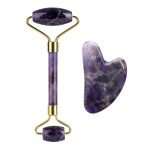 Amethyst Beauty & Wellness
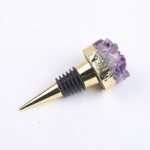 Crystal Home Decor
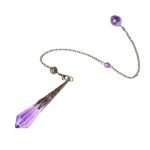 Spiritual & Divination Tools