Zerevia · February Birthstone Guide
What Is the February Birthstone? Complete Amethyst Guide
Amethyst is the official birthstone for February — a natural quartz crystal with a purple color that ranges from soft lavender to deep emperor purple. This guide covers its history, color science, buying advice, and care tips so you can choose or gift amethyst with confidence.
If someone asked you “what is the February birthstone?” and you want more than a one-word answer, you are in the right place. The February birthstone is amethyst — a variety of quartz (SiO₂) colored by trace amounts of iron (Fe³⁺) and natural radiation over millions of years. It is the official amethyst meaning and uses stone recognized on every modern birthstone list, and one of the few gemstones that is both widely available and genuinely interesting at the chemical level.
This guide walks through what makes amethyst the February month birthstone, how to read its color, what to look for when buying, and how to keep it from fading. Whether you are shopping for a birthday gift, a February-born friend, or just curious about why purple quartz ended up tied to the shortest month of the year, the answers are below.
What Is the February Birthstone?
Amethyst is the answer to “what is February’s birthstone” on every standardized birthstone list published since 1912. It is a violet-to-purple variety of macrocrystalline quartz, the same mineral family as rock crystal and citrine. The purple color comes from iron (Fe³⁺) within the quartz crystal lattice, activated over geological time by natural gamma radiation. In simple terms: iron sits in the crystal structure, background radiation shifts its electron state, and the result is purple.
The connection to February may trace back to Saint Valentine, who — according to some accounts — wore an amethyst ring. Whether that story is historically reliable or not, the association between amethyst and love, clarity, and calm devotion has persisted for centuries. By the time birthstone lists were formalized in the early twentieth century, amethyst was the settled choice for the second month.
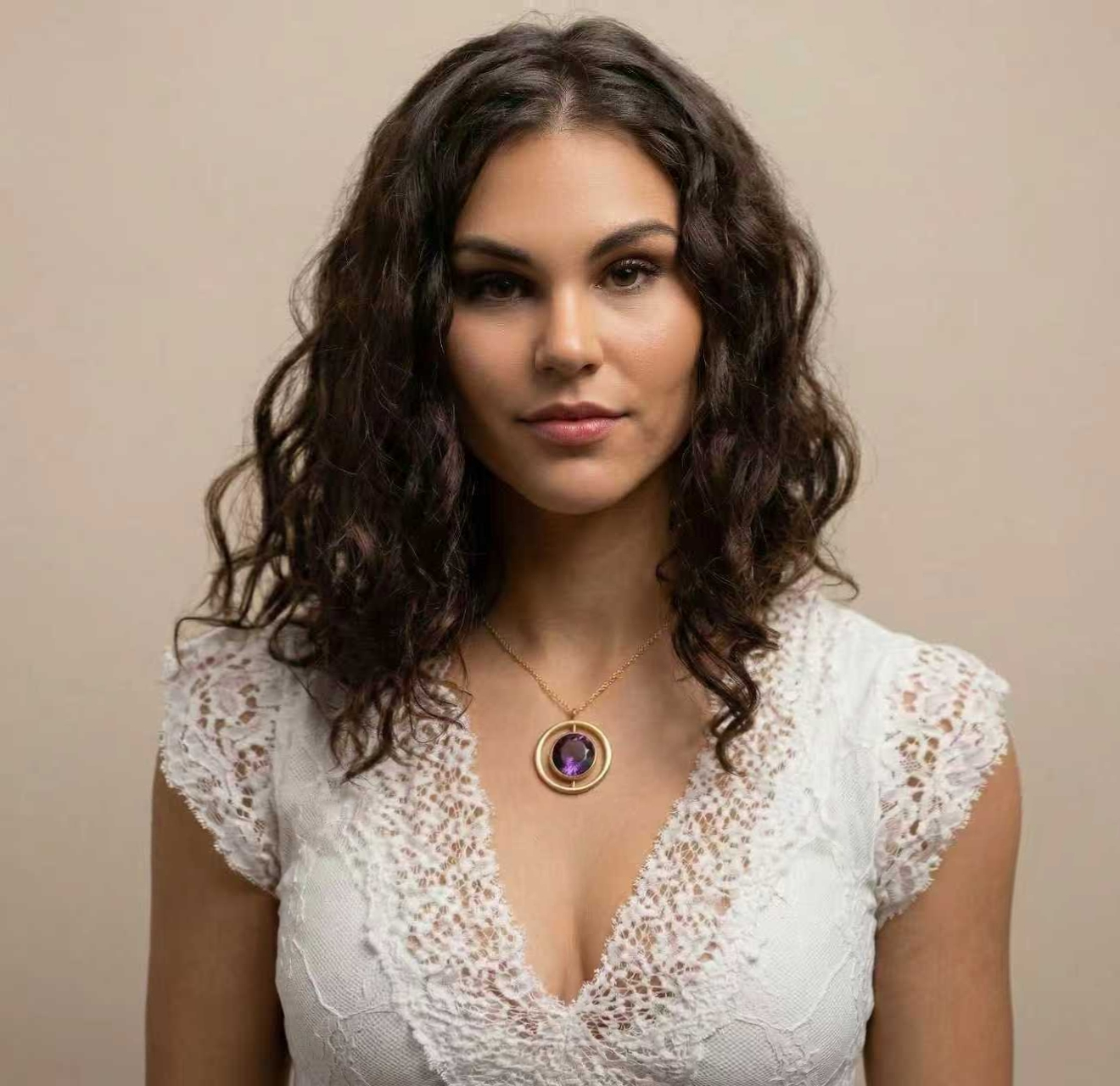
For anyone choosing an amethyst jewelry piece as a February birthday gift, the stone’s natural purple range means there is something at nearly every price point — from pale lavender pendants to deep violet rings that catch the light.
History and Cultural Significance of Amethyst
Amethyst’s history goes back thousands of years, long before anyone assigned it to February. Ancient Greeks believed the stone could ward off intoxication — the word “amethyst” comes from the Greek amethystos, meaning “not drunk.” They carved drinking vessels from it and wore it as jewelry during feasts. Whether that belief had any basis in chemistry is another matter, but the association stuck.
From Ancient Greece to Modern Birthstone Lists
Romans carried the Greek tradition forward, and amethyst became a favorite among royalty and clergy for centuries. In the Christian tradition, the stone’s purple color symbolized piety and celibacy, making it common in bishops’ rings. In amethyst feng shui and history, the stone has long held a place in Chinese traditional practices as well, associated with clarity and protection.
The modern standardized birthstone list — the one that officially answers “what is the birthstone for February” — was published by the National Association of Jewelers (now Jewelers of America) in 1912. That list locked amethyst into the February slot. Before that, various traditions assigned different stones to different months, and amethyst sometimes appeared in March lists as well.
Saint Valentine and Amethyst
The February connection to Saint Valentine is part lore, part retail tradition. Saint Valentine, the third-century Roman martyr, is said to have worn an amethyst ring engraved with the image of Cupid. Whether or not this is historically accurate, it gave jewelers a natural narrative: a purple stone for the month of Valentine’s Day. It is a tidy story, and the pairing has held for over a century now.
Understanding Amethyst Color and Quality
If you are shopping for a February birthstone, color is the first thing to understand. Amethyst’s purple ranges from a barely-there lilac to a saturated, near-blue violet that dealers sometimes call emperor purple or Siberian purple. Deeper, more saturated colors generally command higher prices, but “deeper” is not the only factor worth knowing about.
How the Purple Gets There
The color mechanism is specific and well-understood. Iron (Fe³⁺) substitutes for silicon in the quartz crystal lattice. Over millions of years, natural gamma radiation from surrounding rock activates these iron atoms, creating color centers that absorb yellow and green light. What your eye sees is what is left — purple. This is not a dye, not a coating, and not something added later. The color grows with the crystal.
That origin story also explains why amethyst can fade. If you reverse the radiation process — through heat or prolonged UV exposure — the color centers break down and the purple lightens. More on that in the care section.
Color Zoning Is Normal
Here is something most retail descriptions skip: natural amethyst almost always has color zoning — areas of deeper and lighter purple within the same stone. This is a sign of authenticity, not a flaw. Synthetic amethyst or dyed imitations tend to show suspiciously even color. When you see uneven purple — darker bands, lighter patches, sometimes a white area near the matrix — that is the stone telling you it grew in nature over a long time.
Origin Matters: Brazil vs. Uruguay
When I first started going to mineral shows, I would ask vendors a simple question: “Brazilian or Uruguayan?” The reaction usually told me how seriously they took their inventory. A vendor at a Portland show once spent twenty minutes walking me through the differences — how Brazilian amethyst tends to be larger, with a wider color range from pale lavender to medium purple, while Uruguayan material is usually smaller but noticeably deeper in color, sometimes reaching that dense emperor purple that borders on blue.
Neither origin is “better.” If you want a big geode for a living room, documented-origin Brazilian material gives you more visual impact for the price. If you want one stone with extraordinary color depth for a ring or pendant, Uruguayan is often the stronger choice. What matters is that the seller can tell you which one it is — and that they are not using vague grading terms like AAAA to hide the details. There is no internationally recognized grading system for amethyst. AAAA, AAA, AA — these are marketing terms, not gemological standards. Look for concrete descriptions: color depth, weight in grams, dimensions in centimeters, documented origin.
Before I started studying this seriously, I assumed AAAA was a real grading standard. It is not. Every seller defines it differently. I would rather tell you exactly where a stone came from, how much it weighs, and what its color looks like under normal lighting. You can judge for yourself.
For a deeper look at how color, meaning, and tradition intersect, see amethyst healing properties, where we separate verified facts from traditional beliefs.
How to Choose Amethyst for February Birthdays
Choosing the right February birthstone depends on what the recipient will actually do with it. The same mineral appears in jewelry, raw specimens, geodes, tumbled stones, and carved forms — each serves a different purpose.
Jewelry: Rings, Pendants, and Earrings
For wearable gifts, look for 100% natural amethyst set in 925 sterling silver. Sterling silver (92.5% silver, 7.5% copper) is the standard for quality gemstone jewelry — it is durable, carries a “925” stamp, and does not cause green fingers the way cheaper base-metal alloys can. Nickel-free settings matter for anyone with sensitive skin.
A few practical checks when buying amethyst jewelry online:
- Look for individual photos. “What you see is what you get” (WYSIWYG) means the photo shows the exact piece you will receive. If a listing uses stock photos for a natural gemstone, you cannot predict the color zoning or clarity of what arrives.
- Check for material disclosure. The listing should specify natural amethyst, sterling silver or gold type, and any plating or coating details.
- Ask about ring sizing. If you are buying a ring, confirm whether it uses US ring sizes or an adjustable band. Adjustable rings solve the guessing problem entirely — they fit a range of finger sizes without a resize.
February birthstone jewelry also pairs well with the stone’s traditional association with love and clarity — it is a natural choice for Valentine’s Day gifts, anniversary jewelry, or a birthday present with a personal meaning card.
Raw Crystals and Geodes
If the person prefers something for their desk, nightstand, or living room, raw amethyst — crystals, clusters, geodes, or cathedral geodes — is a different kind of gift. The priorities shift from wearability to visual presence and documented origin.
What to look for:
- Accurate photography. The photo should show the exact specimen you will receive, not a similar one.
- Documented origin. Brazilian or Uruguayan — the seller should know which, and be willing to say so.
- Dimensions and weight. Numbers matter more than adjectives.
- UV care instructions. Any seller serious about raw amethyst will mention that it should not sit in direct sunlight.
For help choosing between shapes and forms — geodes, clusters, towers, spheres, tumbled stones — see our amethyst forms and shapes guide.
Caring for Your Amethyst: Practical Tips
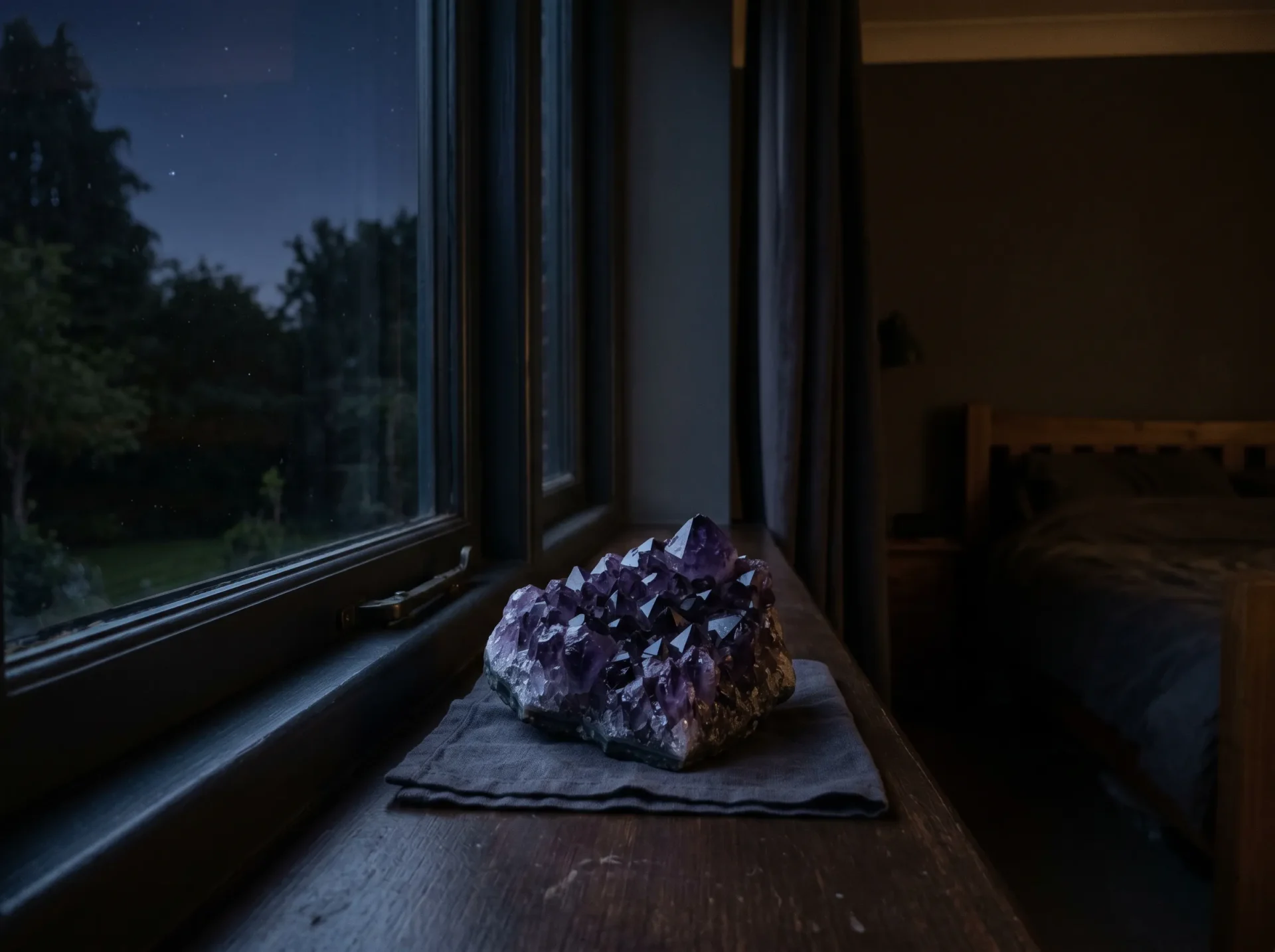
Amethyst is a durable stone — 7 on the Mohs scale, hard enough to scratch glass — but it has one well-documented vulnerability: UV fading. A buyer once contacted me because her amethyst crystal point had turned from deep purple to a pale lavender after a few months on a south-facing windowsill. She was not upset, just confused. I had to explain that the process was irreversible.
Here is how to keep that from happening:
A few additional notes:
- UV fading is permanent. Once the iron color centers in amethyst are reduced by UV radiation, the purple does not come back. Prevention is the only reliable strategy.
- Heat can also alter color. Some heat-treated amethyst on the market has been deliberately heated to change the color to citrine or prasiolite. This is a different situation from accidental fading, but it underscores the point: amethyst’s color is sensitive to energy input.
- Sterling silver tarnish is normal. A soft polishing cloth restores the shine. It is a sign of real silver, not a defect.
Frequently Asked Questions About the February Birthstone
Find the Right Amethyst for a February Birthday
Whether you are shopping for a birthstone ring, a pendant, or a raw crystal for someone born in February, the right piece depends on how they will use it — and what color depth matters to them. Browse amethyst jewelry for wearable birthstone gifts, or explore our raw crystal and geode collections for home display.
 Crystal Cluster
 Crystal Tower
 amethyst crystal ball
 Amethyst Caves for Sale
 Amethyst Bracelets
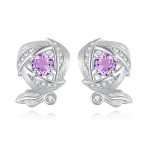 Amethyst Earrings
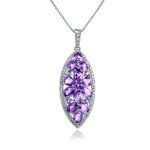 Amethyst Necklaces
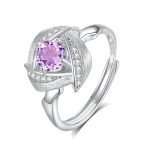 Amethyst Rings
 amethyst crystal healing
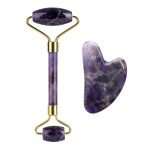 Amethyst Beauty & Wellness
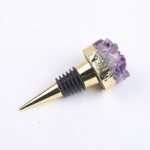 Crystal Home Decor
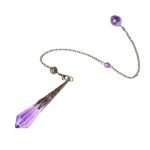 Spiritual & Divination Tools