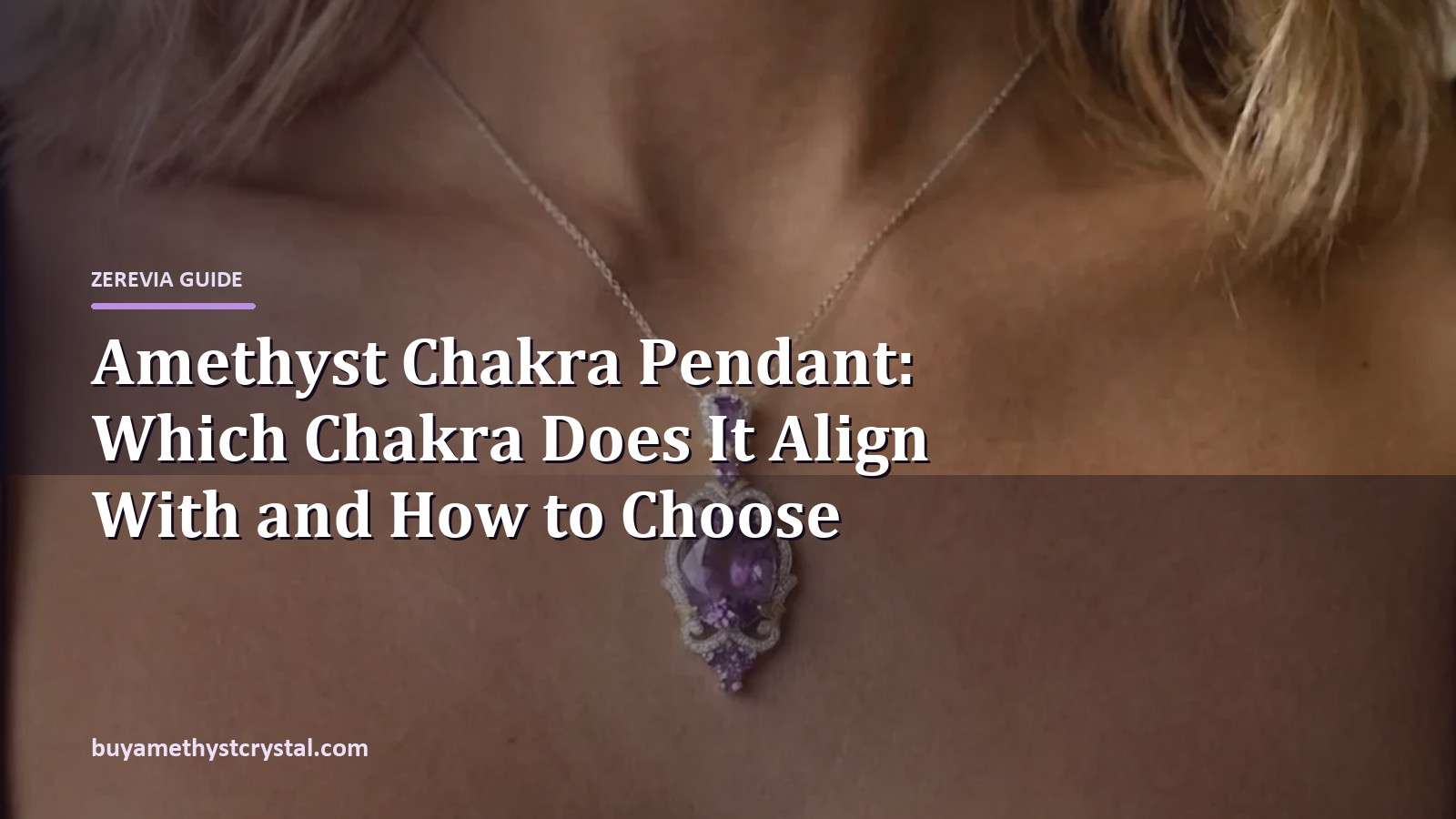
Amethyst Chakra Pendant: Which Chakra Does It Align With and How to Choose
Introduction to Amethyst Chakra Pendants
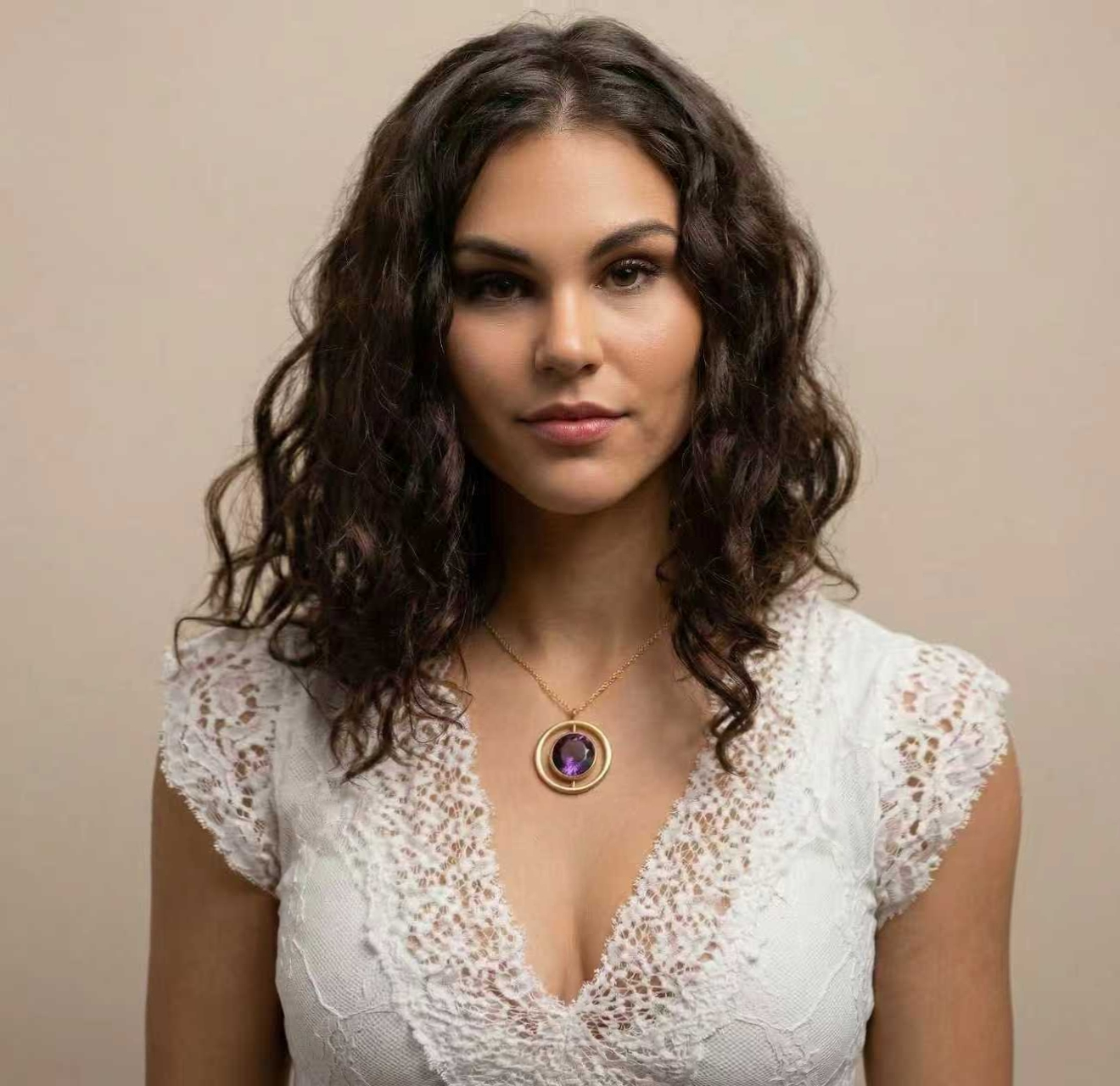
Looking for an amethyst chakra pendant can feel like searching for a quiet anchor in a noisy world. This piece of jewelry is more than purple stone and silver; it’s a combination of natural amethyst and traditional chakra symbolism, worn close to the heart. People seek them for personal rituals, as a focus for intention-setting, or simply because they appreciate the deep, natural color of the gem. My own journey with amethyst began with a $12 specimen labeled “for calm nights,” a purchase that wasn’t about mysticism, but about a tangible object that helped me pause. That quiet, practical value is what I look for in every piece we offer. To understand how to choose the right one, it helps to first know what chakras are and where amethyst fits within that tradition. For a deeper look at the stone’s background, our amethyst healing properties guide is a good starting point.
What Are Chakras and How Does Amethyst Fit In?
In traditional Indian philosophy, chakras are understood as energy centers in the body. The system describes seven main points, from the base of the spine to the crown of the head. Amethyst’s properties in relation to this chakra framework are a matter of tradition and personal practice, not medical science. From a geological perspective, I find the details grounding. The purple color in amethyst comes from trace amounts of iron (Fe³⁺) within the quartz crystal structure, activated by natural radiation over millions of years. Knowing there’s a concrete, chemical reason for its color—a result of deep time and specific conditions—adds a layer of authenticity that resonates with me more than abstract claims. You can explore more about these origins in our amethyst geological origins article.
Which Chakra Is Amethyst For? Primary Associations
So, amethyst crystal for which chakra is it traditionally used? The primary associations are with the upper two chakras. In various traditions, amethyst is most often linked to the Third Eye Chakra (Ajna), located between the eyebrows. This center is associated with intuition, insight, and mental clarity in those traditions. It is also strongly connected to the Crown Chakra (Sahasrara) at the top of the head, which is related to awareness and connection. These links stem from longstanding practices in meditation and ritual, where the stone is used as a focal point. It’s a tradition of use, not a guaranteed outcome, but one that many find personally meaningful. You can read more about these traditions on our amethyst healing properties page.
Exploring Other Chakra Associations: Heart, Throat, and Root
You might encounter information suggesting amethyst connects to other energy centers. These associations are less common and vary more between different holistic practices. Some practitioners may place amethyst on the heart chakra during sessions, linking it to emotional balance and compassion. Occasionally, you’ll see it mentioned in relation to the throat chakra, associated with communication. The rarest connection is to the root chakra; if this link is made, it’s sometimes attributed to the grounding nature of the matrix rock—the base stone from which the crystals grow. However, these are not its primary traditional roles. When choosing a piece, consider what feels right for your own practice or aesthetic preference. Our amethyst forms and shapes guide can help you visualize different options.
Benefits of Wearing an Amethyst Pendant
When people ask about amethyst pendant benefits, the answers often fall into three categories: tradition, ritual, and practicality. Traditionally, the stone is believed to promote a sense of calm and support focused meditation. From a ritual perspective, wearing a pendant can serve as a physical reminder of a personal intention or a moment of pause during a busy day. I once had a conversation with someone who questioned the “power” of stones. I told them, “I don’t know if stones have mysterious energy. But I know that having a real, documented-origin object from Uruguay on my nightstand made me stop and look at it for a minute instead of scrolling on my phone. That minute was useful to me.” The practical benefits are clear: it’s wearable art. Set in 925 sterling silver, it’s nickel-free and designed not to leave green marks on skin, making it suitable for sensitive wearers. The benefits of wearing an amethyst pendant are ultimately personal, tied to your own experience with it.
| Consideration | Brazilian Amethyst | Uruguayan Amethyst |
|---|---|---|
| Typical Size | Often larger specimens and cabochons | Typically smaller, denser crystals |
| Color Range | Wide range from lavender to medium purple | Generally deeper purple, sometimes near-deep blue violet |
| Best For | Larger pendants, statement pieces, value | Intense color depth, smaller, more detailed stones |
How to Choose an Amethyst Chakra Pendant
Choosing the right amethyst 7 chakra pendant—or any amethyst pendant—comes down to a few key factors. First, consider origin. Brazilian amethyst typically offers larger cabochons with a range of purple shades, often at a good value. Uruguayan amethyst is known for its deeper, more saturated color, though stones are often smaller. The color depth is a personal choice, from soft lavender to intense violet. Our amethyst geological origins guide details these differences.
Next, look at the setting. For daily wear, 925 sterling silver is a durable and skin-safe choice. Finally, think about size and weight. A smaller, lighter pendant is practical for everyday wear, while a larger stone might be better for specific meditation practices or display. Always check the product photos; we use accurate photography so you know what to expect. Our amethyst quality and value guide can help you assess what you’re looking at.
Care and Maintenance for Your Amethyst Pendant
Caring for your pendant is straightforward but important. The most critical rule is to avoid direct, prolonged sunlight. The same iron (Fe³⁺) that creates the purple color can be altered by UV rays, causing irreversible fading. I learned this firsthand when a buyer contacted me about her crystal tower; she’d placed it on a sunny windowsill, and its deep purple had faded to a pale lavender. That color won’t come back. For cleaning, use lukewarm water with a drop of mild soap and a soft cloth. Avoid harsh chemicals. When you’re not wearing it, store your pendant in a soft pouch to prevent scratches from harder gems. This simple care will preserve its appearance for years.
Frequently Asked Questions
Which chakra is amethyst best suited for?
Based on tradition, amethyst is most commonly associated with the Third Eye Chakra (Ajna) and the Crown Chakra (Sahasrara). It is used in practices related to intuition, clarity, and awareness.
What are the traditional benefits of wearing an amethyst pendant?
Traditionally, it is thought to encourage calm, support meditative focus, and serve as a tool for personal intention-setting. Many wearers also value it simply as a beautiful, natural gemstone piece.
Can amethyst be used for heart chakra work?
While not its primary traditional association, some holistic practices do link amethyst to emotional balance and the heart chakra. This is less common and varies by practitioner.
How do I choose a high-quality amethyst chakra pendant?
Focus on what you value: deeper color (look for Uruguayan origin), size (Brazilian may be larger), a secure setting (925 sterling silver is ideal), and clear product photos that show the actual item.
Does amethyst fade if worn in sunlight?
Yes. Prolonged exposure to direct sunlight (UV radiation) can cause the purple color in natural amethyst to fade permanently. It’s best to avoid leaving it in sunny spots for extended periods.
Choosing an amethyst chakra pendant is a personal decision. Whether you’re drawn to it for traditional spiritual practice, as a focus for daily intention, or for its natural beauty, the right piece is one that feels authentic to you and is made with honest materials.
 Crystal Cluster
 Crystal Tower
 amethyst crystal ball
 Amethyst Caves for Sale
 Amethyst Bracelets
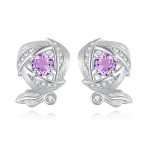 Amethyst Earrings
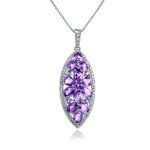 Amethyst Necklaces
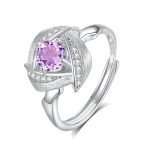 Amethyst Rings
 amethyst crystal healing
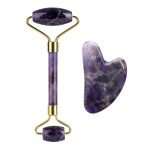 Amethyst Beauty & Wellness
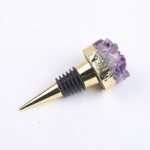 Crystal Home Decor
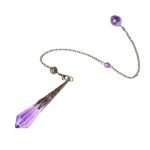 Spiritual & Divination Tools