Amethyst Wand: How to Choose a Crystal Healing Wand That Actually Makes Sense
An amethyst wand is one of those crystal forms that looks simple until you actually try to buy one. There are polished points, raw-terminated crystals, double-ended wands, and half a dozen marketing names that all describe roughly the same shape. If you have been searching for an amethyst wand and wondering what properties matter, what the differences are between a chakra wand and a regular wand, or how to tell if what you are looking at is real — this guide is for you.
I started learning about amethyst the way most first-time crystal buyers do: by holding a cheap stone and trying to figure out if any of what the seller told me was true. That path led me through GIA gemology coursework, mineral shows, and more conversations with suppliers than I can count. What follows is what I wish someone had told me before I bought my first amethyst crystal healing wand.
Why Is Amethyst Purple?
The question “why is amethyst purple” comes up a lot, and the answer is more specific than most people expect. Amethyst gets its color from trace amounts of Fe3+ — trivalent iron — trapped inside the quartz crystal lattice. Over millions of years, natural background radiation activates those iron atoms, and that interaction produces the purple you see. The color is grown in. It is not painted, dyed, or added later. It is a geological fact that took longer than human civilization has existed to develop.
I remember the night I finished the color-mechanism chapter in my GIA study materials. I read the Fe3+ section twice, not because it was complicated, but because the specificity of it felt reassuring. There is a real chemical reason this stone is purple — not because it “wants” to be, but because of how iron, quartz, and radiation interact in deep rock over geological time. I like things that can be explained.
Color depth varies considerably. You will find amethyst wands ranging from pale lavender to deep emperor purple. Where the stone was mined matters here. Brazilian amethyst tends to run larger in volume with color that spans from lavender to medium purple — good value, strong visual presence. Uruguayan amethyst is denser in crystal structure and often reaches those near-black deep purples that make you stop and look twice. Deeper color generally commands a higher price, but that is a choice about aesthetics, not quality.
For wand buyers specifically, color depth affects how the piece reads on a shelf or in your hand. A pale lavender wand looks delicate on a windowsill. A deep purple wand anchors a display. Neither is better — it depends on what you want the piece to do in your space. You can read more about how origin affects color and value in our amethyst geological origins guide.
Amethyst Wand Meaning and Properties
An amethyst wand is a single-point or occasionally double-terminated crystal shape, typically 3 to 8 inches long, either polished smooth or left in its natural terminated form. It belongs to the quartz family, which means it registers at Mohs hardness 7 — hard enough to scratch glass, durable enough for regular handling without concern.
When people search for “amethyst wand properties,” they are usually looking for two things: the physical characteristics of the crystal, and the traditional or ritual uses that have grown around it over centuries. Let me be clear about both.
The physical properties are straightforward. It is silicon dioxide with iron-based coloration. It is hard, relatively scratch-resistant, and holds its polish well. The color can fade under prolonged UV exposure — I will cover that in detail below because I learned this the hard way with a buyer’s crystal.
The traditional meaning of an amethyst wand is a different conversation. In crystal practice traditions, amethyst has long been associated with calm, clarity, and focused intention. You will encounter terms like “amethyst healing wand,” “amethyst chakra wand,” and similar phrases when shopping. In traditional Indian philosophy, amethyst is connected to the Third Eye (Ajna) and Crown (Sahasrara) chakras — the energy centers associated with intuition and awareness. Many buyers use an amethyst wand as part of personal ritual, intention-setting, or quiet reflection practices.
None of this is medical proof. I cannot tell you an amethyst wand will fix your sleep or settle your mind. What I can tell you is that many people find meaning in holding a real, documented-origin stone during a few minutes of intentional quiet. Whether that is tradition, placebo, or something else entirely — that is your call to make. For a fuller discussion of amethyst’s traditional associations, see our amethyst healing properties page.
Types of Amethyst Wands: Chakra Wands, Healing Wands, and Crystal Points
If you have been shopping for an amethyst wand, you have probably noticed that the same basic shape gets called different things. Here is what those labels usually mean:
| Type | What It Looks Like | What It Is Usually Called | Best For |
|---|---|---|---|
| Polished point / obelisk | Smooth, uniform, tapered — sometimes faceted | Crystal wand, healing wand, crystal tower | Holding during ritual, small display, gifting |
| Natural terminated point | Raw tip with rough body, base may be flat or jagged | Raw wand, natural crystal point | Geological character, natural display, collector interest |
| Double-terminated wand | Pointed at both ends, no flat base | Double-terminated wand, DT wand | Traditional energy-flow practice in both directions |
| Chakra wand (single stone) | Any of the above, used in chakra-related practice | Amethyst chakra wand | Third Eye or Crown chakra ritual, personal practice |
| Chakra wand (multi-stone) | Wand with multiple crystals or gemstone types mounted along the shaft | Chakra crystal wand, seven-stone wand | Broader chakra alignment ritual, collectors |
An “amethyst chakra wand” can mean either a single amethyst wand used in chakra-related personal practice, or a wand that combines amethyst with other stones (like clear quartz, rose quartz, or citrine) at different positions along the shaft. Both are valid products. The key question is whether you want a dedicated amethyst wand or a multi-stone configuration.
An “amethyst crystal healing wand” is usually just the broader retail term for a polished crystal point. The word “healing” in this context refers to traditional practice, not a medical outcome.
How to choose? Hold it. That sounds unscientific, but the shape and weight that feels right in your hand will matter more than the label on the listing. If you are buying for display, pick the form that fits your shelf. If you are buying for personal ritual, pick what you will actually reach for. For a complete look at crystal forms beyond wands, our amethyst forms and shapes guide covers the full range.
How to Tell If You’re Getting a Real Amethyst Wand
First-time crystal buyers have a reasonable concern: is this real? After years of studying mineral identification and handling hundreds of specimens, here is what I actually check.
Pick it up and feel the weight. Real quartz is noticeably heavier than glass and dramatically heavier than plastic. If a wand feels suspiciously light for its size, that is a flag.
Press it against your skin. A real mineral will feel cool when it first touches your face or wrist, then gradually warm. Glass is also cool, but it warms faster and more evenly. Plastic barely feels cool at all.
Look at the color distribution. This is the most reliable visual test. Natural amethyst has uneven color — deeper purple in some areas, lighter lavender in others, sometimes white or translucent patches. That uneven distribution is called color zoning, and it is a mark of natural formation. Perfectly uniform purple across the entire wand is unusual in nature. It does not automatically mean fake, but it is worth questioning.
Check for inclusions. Tiny feather-like veils, needle patterns, or cloudy patches inside the crystal are signs of natural growth. These are not defects. They are the crystal’s history written into its structure.
Ask about the origin. A seller who can tell you whether the stone came from Brazil, Uruguay, or another specific source is more trustworthy than one who only says “natural amethyst.” Documented origin means someone actually knows where the stone started its life. If you want to understand how origin affects quality, our amethyst quality and value guide breaks it down.
Look for individual product photos. Sellers who photograph each piece separately — what we call WYSIWYG (What You See Is What You Get) — are showing you the actual item you will receive. Stock photos or “representative images” mean you might get something different from what you saw online.
Amethyst Wand vs. Other Forms: Spheres, Rings, and Geodes
An amethyst wand is one form among many. Whether it is the right form depends entirely on how you plan to use it.
| Form | Best Use Case | Key Detail |
|---|---|---|
| Wand | Personal ritual, small display, gifting | Portable, directional, fits in one hand |
| Sphere | Desk display, meditation space | Traditional belief associates the round shape with completeness; a pink amethyst sphere is a separate color variety with different chemistry — lighter, more pastel, worth noting if you are comparing |
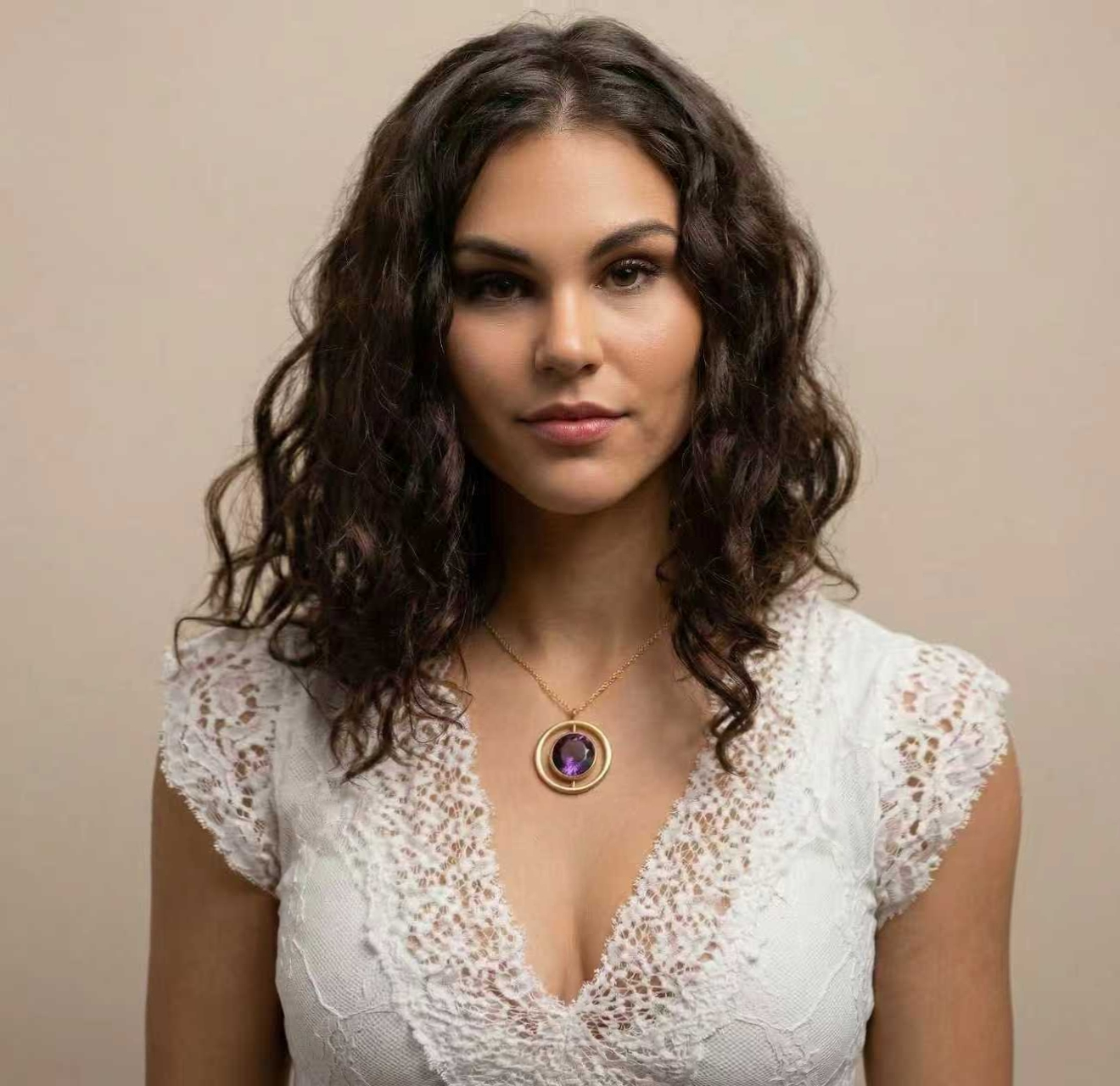
| Ring | Daily wear, personal meaning | A real amethyst ring in 925 sterling silver lets you carry the stone with you; amethyst is the February birthstone, making an amethyst birthstone ring a meaningful gift; the traditional amethyst engagement ring meaning carries connotations of wisdom and fidelity — a non-diamond alternative with centuries of history |
| Geode or cluster | Home display, statement piece | Larger scale, documented-origin pricing more transparent, strongest visual impact |
| Raw crystal | Natural aesthetic, collector interest | Unpolished geological character, no two pieces alike |
There is no objectively “better” form. A wand is the right choice if you want something you can hold, place deliberately, or use as part of a focused practice. A sphere makes sense if you want a display piece that reads from every angle. A real amethyst ring is practical if you want to wear the stone daily. A geode wins if you want something that dominates a room.
If you are buying a gift, think about the recipient’s space and habits. A wand fits on a nightstand. A ring fits on a finger. A geode needs a shelf or a floor. The February birthstone connection makes an amethyst birthstone ring a natural choice for birthday or Valentine’s gifts. The amethyst engagement ring meaning — tradition links it to wisdom and a clear mind — offers a personal alternative for someone who does not want a diamond.
How to Cleanse and Care for Your Amethyst Wand
Care matters more than most first-time buyers realize, and I have a specific reason for saying this.
A buyer once sent me a message saying her amethyst crystal had faded. After a few questions, I learned she had placed it on a south-facing windowsill where it received direct afternoon sun for about two hours every day. The Fe3+ ions responsible for amethyst’s purple color are permanently reduced by prolonged UV exposure. Her deep emperor purple wand had turned lavender. The stone was still real, still amethyst, still beautiful — but that original color depth was gone for good. I wrote UV care instructions into every product description after that.
Keep your wand out of direct sunlight. This is the most important care rule. A few minutes of daylight will not cause visible damage, but hours of direct UV will. Display your wand away from windows that receive strong sun, or rotate it to a shaded spot during bright months.
Safe cleansing methods:
- Moonlight bath: Place your wand under the full moon overnight. This is the safest method — no UV risk, no water damage, and many people find the ritual itself calming.
- Sound cleansing: A singing bowl or tuning fork placed near the crystal produces sound vibration that practitioners use as a clearing method. No physical contact with the stone needed.
- Gentle water rinse: A brief rinse under lukewarm running water is safe for amethyst. Do not soak it for extended periods in salt water, which can affect the surface over time.
Avoid: Harsh chemical cleaners, steam cleaning, and prolonged submersion in salt or mineral water. Amethyst is hard (Mohs 7) but not invincible — it can scratch softer minerals stored alongside it, so a soft cloth wrap or a dedicated display spot is a good idea.
For complete care and cleansing instructions, see our amethyst care and cleansing guide.
Frequently Asked Questions
What is an amethyst wand used for?
An amethyst wand is used for personal ritual, focused intention-setting practice, small-space display, and gifting. In traditional crystal practice, it is associated with calm and clarity. These are traditional and personal-use associations, not medical outcomes.
How do I know if my amethyst wand is real?
Check the weight (real quartz is heavier than glass), the temperature against your skin (minerals feel cool initially), and the color distribution (natural amethyst has uneven color zoning, not uniform purple). Inclusions like feather veils are signs of natural formation, not flaws. Sellers who provide WYSIWYG individual photos and documented origin information are more reliable.
What is the difference between an amethyst chakra wand and a regular wand?
A “chakra wand” can mean either a single amethyst wand used in chakra-related personal practice (amethyst is traditionally linked to the Third Eye and Crown chakras), or a multi-stone wand with different crystals mounted along the shaft to correspond with different chakra points. A regular wand is any polished or natural amethyst point. Both are quartz. Choose based on whether you want a single-stone or multi-stone piece.
Is an amethyst wand better than an amethyst sphere or ring?
It depends on your use case. A wand works for focused ritual or small display. A sphere suits meditation spaces or desk display. A ring — especially a real amethyst ring in 925 sterling silver — lets you wear the stone daily. No form is objectively better. A pink amethyst sphere, for example, is a completely different color variety with its own chemistry and appeal.
Why is amethyst the February birthstone, and does it make a good engagement ring?
Amethyst has been associated with February by birthstone tradition for generations. The traditional amethyst engagement ring meaning carries associations of wisdom, clarity, and fidelity — making it a meaningful non-diamond alternative with historical depth. An amethyst birthstone ring is a natural gift for February birthdays, Valentine’s Day, or anyone drawn to the stone’s color and symbolism.
Will my amethyst wand fade in sunlight?
Yes, with prolonged exposure. UV light causes an irreversible reduction of the Fe3+ ions that give amethyst its purple color. Short incidental daylight is fine, but direct sunlight for hours will permanently lighten the stone. Moonlight cleansing is safe. Keep your wand in a shaded display spot, and never use UV-based cleaning devices.
Next step: Explore our amethyst forms and shapes guide to compare wands, spheres, geodes, and rings side by side — and find the right crystal shape for your space.
 Crystal Cluster
 Crystal Tower
 amethyst crystal ball
 Amethyst Caves for Sale
 Amethyst Bracelets
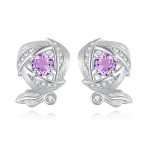 Amethyst Earrings
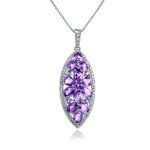 Amethyst Necklaces
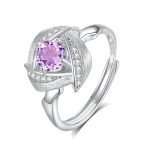 Amethyst Rings
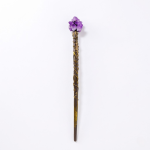 amethyst crystal healing
 Amethyst Beauty & Wellness
 Crystal Home Decor
 Spiritual & Divination Tools