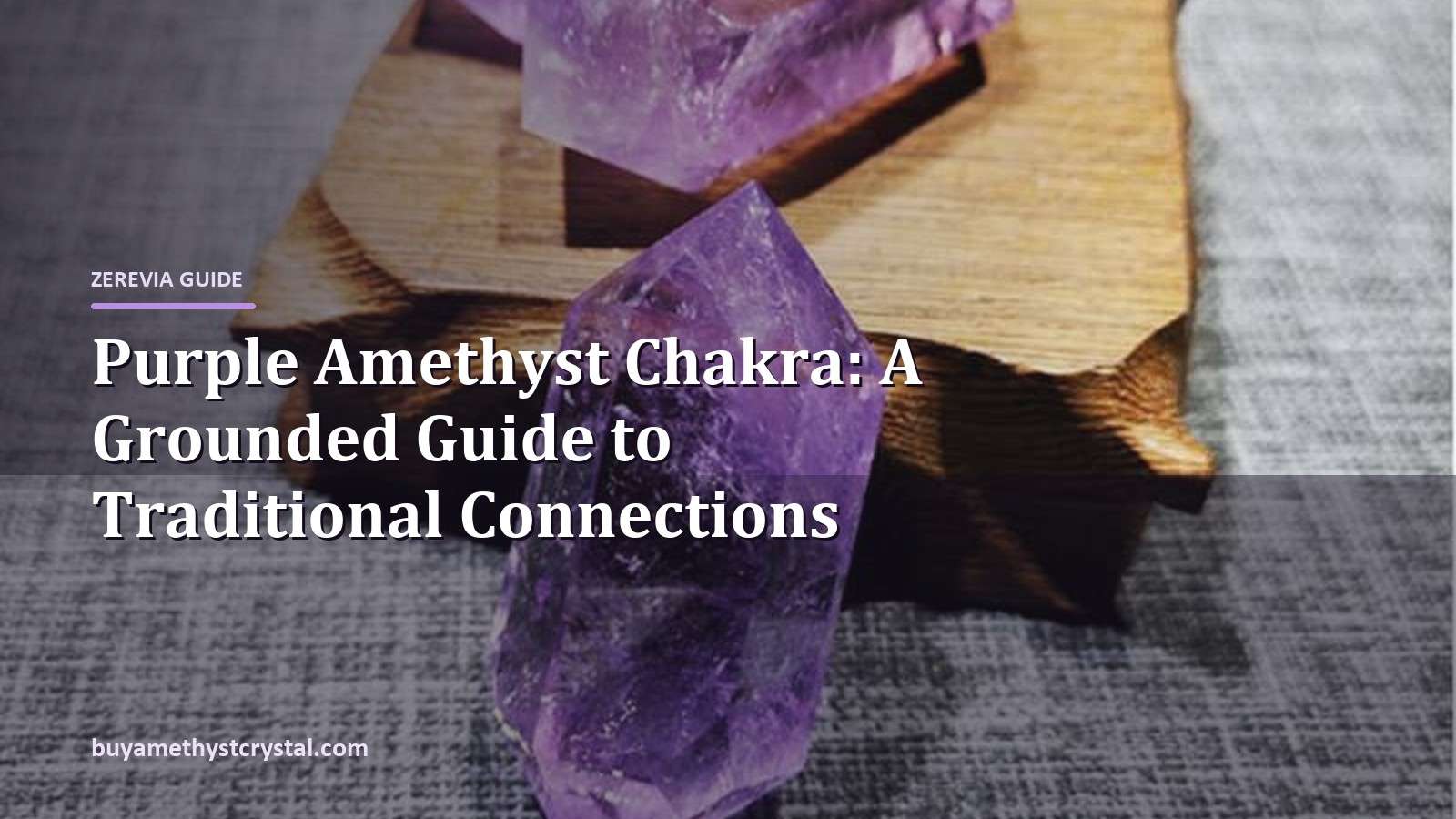
Purple Amethyst Chakra: A Grounded Guide to Traditional Connections
If you’re searching for information on purple amethyst chakra connections, you probably have one of two questions in mind: which chakra does amethyst connect to, and how do you actually choose a stone for your practice? This guide answers both — with the same specificity I wish someone had given me when I first held a piece of amethyst and wondered what all the chakra talk was really about.
I came to amethyst through geology, not ritual. A $12 stone with a handwritten label started me down a path that eventually led to GIA coursework and a full-time business. Along the way, I learned that the connection between purple amethyst and chakra tradition has real roots — but also that it benefits from honest framing. So let’s walk through it together, with practical detail instead of vague promises.
What Chakra Does Amethyst Connect To?
In traditional practice, purple amethyst is most commonly associated with two chakras: the Third Eye Chakra (Ajna), located between the eyebrows, and the Crown Chakra (Sahasrara), located at the top of the head. These associations come from color-based systems in Indian philosophical tradition, where purple and indigo hues are mapped to the upper energy centers linked to intuition, awareness, and clarity of thought.
There is a concrete reason amethyst is purple in the first place. During my GIA coursework, I read about the Fe³⁺ color mechanism twice because the first time through, it almost felt too specific to be real. Fe³⁺ — triply ionized iron — sits within the quartz crystal lattice and is activated by natural background radiation over millions of years. That interaction produces the violet-to-purple color range we see in amethyst. The color isn’t added; it grows into the crystal over geological time.
That fact doesn’t prove anything about energy or chakras. But it does explain why amethyst’s purple has been symbolically associated with contemplation and inner stillness across multiple cultures for centuries — the color itself is deep, quiet, and uneven in ways that catch your attention without demanding it. In traditional chakra frameworks, that resonance with introspection is precisely the reason amethyst is placed at the Third Eye and Crown positions.
When people ask me what chakra amethyst represents, I tend to say it’s traditionally tied to the two upper chakras — but that tradition is not the same as a medical prescription. It’s a framework for ritual, focus, and personal meaning. If that framework feels useful to you, the stone has something to offer. If it doesn’t, amethyst is still a naturally beautiful mineral with documented origins and real care requirements.
For a deeper look at how amethyst’s properties are described beyond chakra systems, our amethyst healing properties guide covers traditional associations across different practices.
Understanding Amethyst Stone Meaning in Chakra Tradition
The amethyst stone meaning in chakra tradition goes beyond simple color matching. Across Greek, Hindu, and East Asian cultural lineages, purple stones have been associated with sobriety of mind — the word “amethyst” itself comes from the Greek amethystos, meaning “not intoxicated.” In chakra frameworks, that historical symbolism gets mapped to the Third Eye’s association with perception and the Crown’s association with awareness beyond the material.
What I find more useful than symbolism alone is knowing where your stone actually came from. The two most documented origins for amethyst are Brazil and Uruguay, and the differences are real and visible. Brazilian amethyst tends toward larger formations with a wider color range — lavender to medium purple — making it well-suited for statement geodes or pieces meant for a room’s visual center of gravity. Uruguayan amethyst typically produces smaller, denser crystals with deeper color, sometimes reaching what’s called emperor purple, a shade so dark it borders on indigo.
I learned this distinction at a mineral show, standing in front of a cathedral geode that came up to my waist. The vendor — a man in his fifties with calloused hands — spent twenty minutes explaining the color depth and crystal density differences between Brazilian and Uruguayan pieces. I didn’t buy that geode; I couldn’t afford it yet. But I wrote down every word he said in my phone’s notes app. When I went back the next week, he recognized me.
That kind of specificity matters when you’re choosing an amethyst stone for chakra practice. A deeper color from a Uruguayan origin may feel more aligned with the intensity associated with the Crown Chakra in traditional frameworks. A larger, lighter Brazilian piece might suit a broader, more ambient placement. Neither is “better” — it depends on what you want, where you’ll put it, and how much color depth matters to you.
You can read more about these regional differences in our amethyst geological origins guide.
Traditional Benefits of Purple Amethyst for Chakra Work
When people search for amethyst stone benefits related to chakra practice, they’re usually looking for something specific: will this help me? Here’s how I’d frame it honestly.
In traditional practice, amethyst is used in rituals intended to promote calm, support introspection, and create a quiet focal point for attention. Some buyers tell me they place amethyst on their nightstand and use the moment of looking at it as a pause before sleep — not because the stone is doing something to them, but because having a real, natural object in that space gives their eyes and mind something to land on besides a screen. Others use amethyst in crystal grids, placing multiple stones in geometric patterns as a way to anchor an intention or a period of focused thought.
I had a conversation once with someone who was openly skeptical about the whole idea. “You really think rocks do something?” he asked. I told him I didn’t know if stones had what he was imagining as mysterious energy. But I did know that when I kept a piece of amethyst from a documented Uruguayan source on my nightstand, I had a minute or two before sleep where I looked at it instead of reaching for my phone. That small ritual changed something for me. Not in a way I can prove clinically, but in a way I noticed.
He paused. “Okay, that I can accept,” he said.
The purple amethyst crystal benefits that matter most in a chakra context are the ones tied to how you actually use the stone: its size relative to your practice space, its color depth, whether it’s a form that stays put on an altar or one you hold during meditation, and how easy it is to care for over time. A stone that fades from UV exposure or chips from rough handling won’t serve your practice long, no matter how deep the initial purple was.
For a full breakdown of what people traditionally associate with amethyst beyond chakra work, see our amethyst healing properties page.
Choosing the Right Amethyst Form for Chakra Practice
Purple amethyst crystal benefits vary a lot depending on the form you choose. Here’s a practical comparison of the most common options for chakra-related use:
| Form | Traditional Use Case | Practical Notes |
|---|---|---|
| Crystal Tower / Obelisk | Placed on altars; some practitioners hold during focused intention-setting | Flat base, pointed top; sits upright without support; check dimensions before buying |
| Crystal Sphere | Used in meditation or placed at room center for ambient focus | Requires a stand; even surface area means consistent visual contact; heavier than it looks |
| Raw Cluster / Geode | Placed in living spaces; traditional use in Feng Shui wealth corners (southeast) | WYSIWYG photography matters here — every piece is unique; check color zoning in photos |
| Tumbled Stone / Palm Stone | Carried in a pocket or held during quiet moments; entry-level option | Smooth, portable, affordable; good for people who want to try before committing to larger pieces |
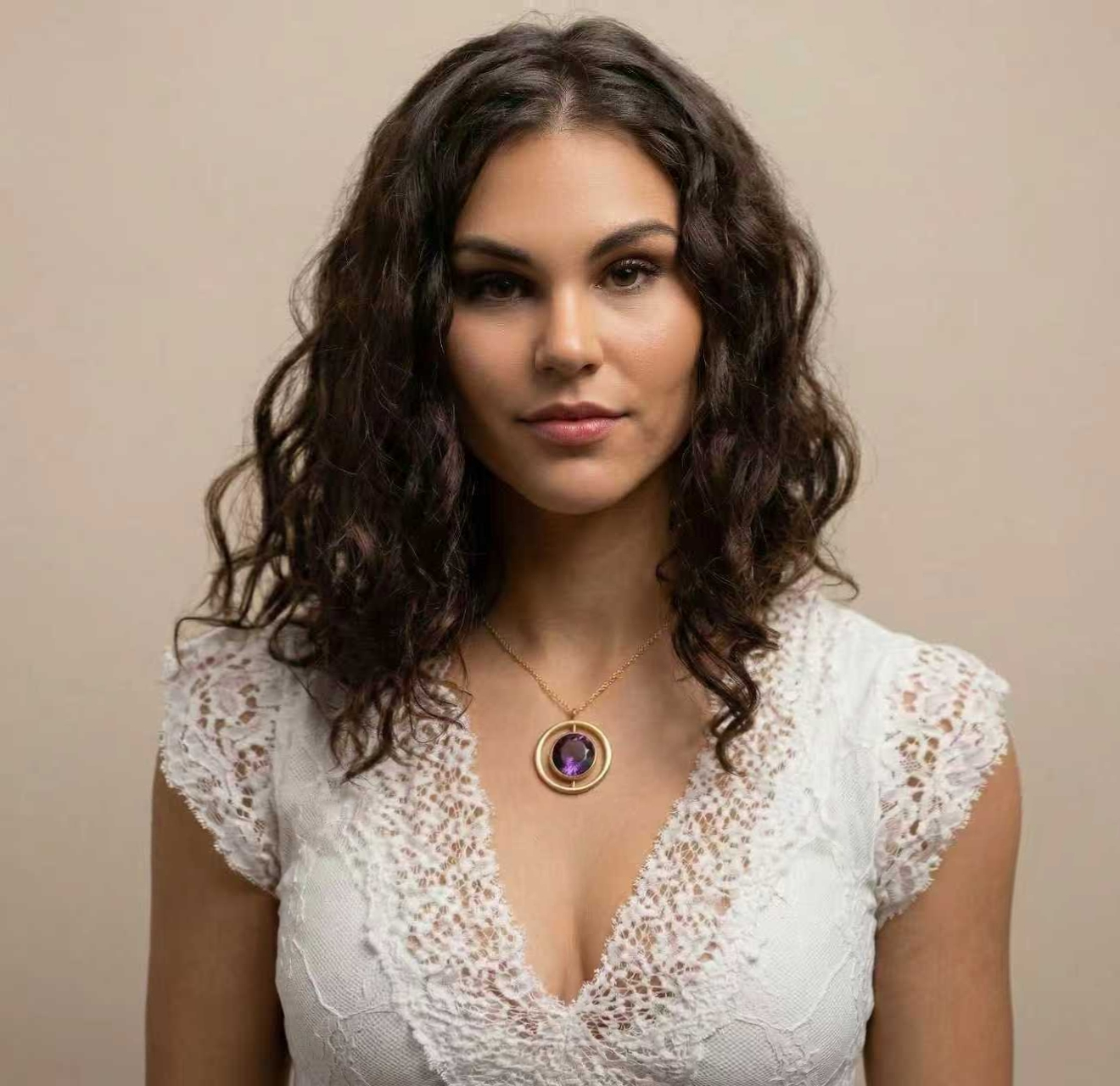
| Amethyst Jewelry | Worn daily; in traditional practice, keeps the stone close to the upper chakra points (earrings, pendants) | Look for 100% natural amethyst and 925 sterling silver; nickel-free means no green fingers |
A few selection criteria worth keeping in mind:
- Color depth: Deeper purple pieces are more often linked to the intensity associated with the Crown Chakra in traditional practice. Lighter lavender tones tend to be associated with the Third Eye’s gentler qualities.
- Size and placement: A large geode makes a visual statement in a room but requires shelf or floor space. A small tumbled stone travels with you. Think about where the stone will actually live.
- Documented origin: When a seller can tell you whether a raw crystal is from Brazil or Uruguay — and ideally shows you accurate, non-enhanced photography — you’re in a better position to make an informed choice.
- Natural variation: Real amethyst has color zoning — uneven patches of deeper and lighter purple, sometimes with white or translucent areas. Perfectly uniform color across a raw stone is usually a sign to ask more questions, not fewer.
Our amethyst forms and shapes guide has a more detailed breakdown of each form, including size ranges and what to look for in product photos.
Caring for Your Amethyst Chakra Stones
One of the most important things I can tell you about amethyst care — and this is something I learned the hard way — is that UV light permanently fades the purple color.
A buyer once messaged me saying her crystal point had lost its color. After a few questions, I found out she’d been keeping it on a south-facing windowsill with about two hours of direct afternoon sun every day. The Fe³⁺ ions in amethyst undergo an irreversible reduction under sustained UV exposure. Her deep emperor purple had shifted to a pale lavender. The stone was still real, still natural — but that color was never coming back.
I wrote that caution into every product description after that day. Here are the basics:
- Avoid direct sunlight. Display your amethyst in a spot that gets indirect or ambient light. Windowsills and sun porches are the most common causes of color fading.
- Moonlight cleansing is widely practiced in crystal traditions and is one of the safest methods — it doesn’t involve UV exposure. Place your stone under moonlight overnight, ideally during a full moon, as a ritual reset.
- Sound cleansing with a singing bowl is another safe option that avoids physical contact or exposure risks.
- Avoid salt water and harsh chemicals. While amethyst has a Mohs hardness of 7, prolonged chemical exposure can damage the surface polish, especially on tumbled or sphere forms.
Taking care of your amethyst isn’t complicated, but it does require knowing one or two non-obvious rules. For a complete care and cleansing guide, visit our amethyst care and cleansing page.
Frequently Asked Questions about Amethyst and Chakra
What chakra does amethyst represent?
In traditional practice, amethyst is associated with the Third Eye Chakra (Ajna) and the Crown Chakra (Sahasrara). These associations are based on color symbolism within Indian philosophical systems, where purple and indigo hues correspond to intuition, awareness, and contemplation. This is a traditional framework, not a medical or scientific classification.
How do I use amethyst for chakra work?
Common traditional practices include placing an amethyst crystal tower or sphere on an altar or meditation space, holding a tumbled stone during focused breathing, or resting a small point on the forehead during a quiet moment. Some practitioners build crystal grids using amethyst as a central stone. There’s no single “correct” method — the most useful approach is one that fits naturally into your existing routine.
Is amethyst good for chakra healing?
Amethyst’s connection to chakra practice is rooted in tradition and personal ritual, not clinical proof. Many practitioners and buyers find that having a real, natural stone in their space supports moments of calm, focus, or intentional pause. If you’re looking for amethyst stone benefits within a chakra framework, think of it as a tool for ritual and attention — not a medical treatment.
What are the best amethyst forms for chakra practice?
It depends on your use case. Crystal towers and obelisks work well on altars or desks. Spheres suit meditation or ambient room placement. Tumbled stones are portable and affordable for daily carry. Jewelry — especially pendants and earrings made with 925 sterling silver and natural amethyst — keeps the stone close throughout the day. Our forms and shapes guide covers each option in more detail, including what to check in product photos and how to compare quality. For evaluating color depth and value, our amethyst quality and value guide is a good next step.
What is the améthyste chakra connection?
“Améthyste” is the French spelling of amethyst. The chakra connection is the same regardless of language — in traditional practice, amethyst (améthyste) is linked to the Third Eye and Crown Chakras through color-based associations. If you’re researching in French-speaking contexts and find the term, the stone and its traditional uses are identical.
 Crystal Cluster
 Crystal Tower
 amethyst crystal ball
 Amethyst Caves for Sale
 Amethyst Bracelets
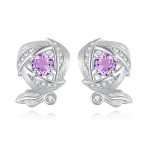 Amethyst Earrings
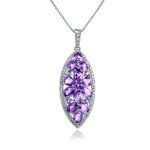 Amethyst Necklaces
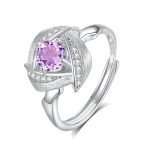 Amethyst Rings
 amethyst crystal healing
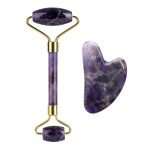 Amethyst Beauty & Wellness
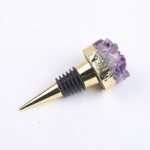 Crystal Home Decor
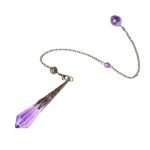 Spiritual & Divination Tools